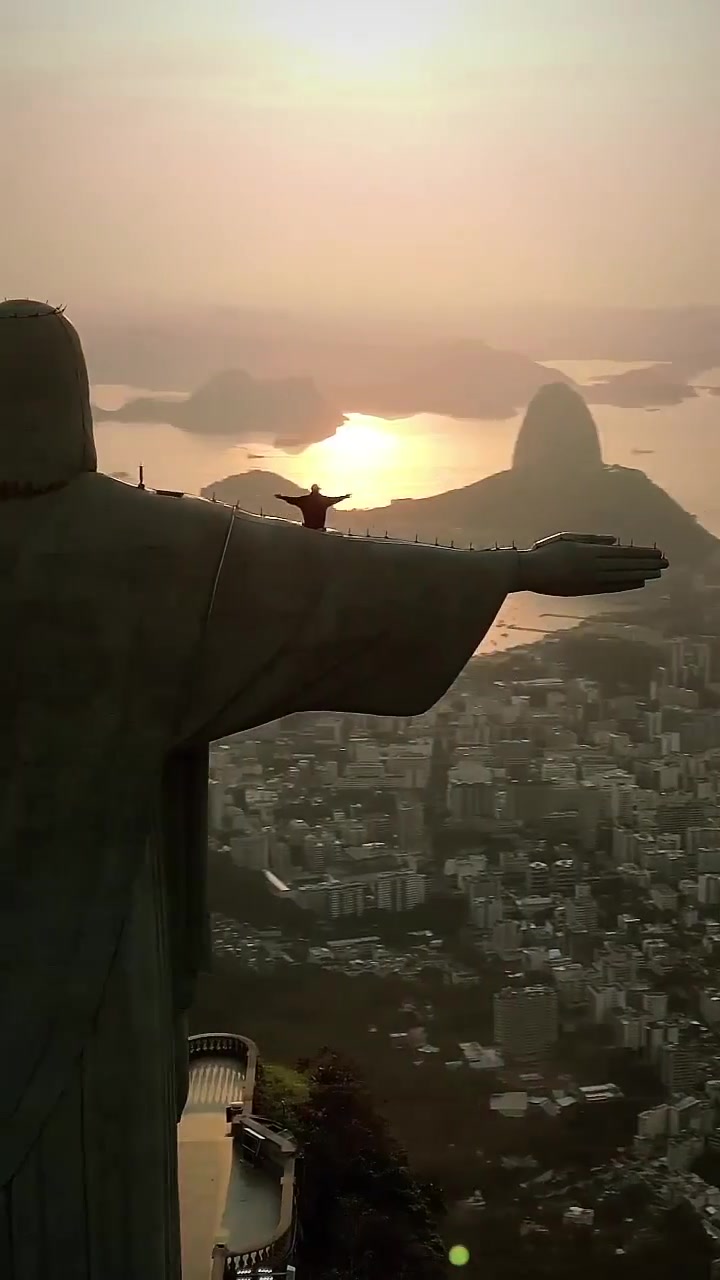
The Christ the Redeemer Statue is not just a monument, but an embodiment of Brazil's spirit. It stands 98 feet tall, with its arms outstretched, on the peak of Rio de Janeiro's 2,300-foot Corcovado Mountain. Designed by French engineer Albert Caquot and sculpted by Brazilian engineer Heitor da Silva Costa, the Art Deco-style statue weighs 635 metric tons. Its construction began in 1922 and opened in 1931 as a symbol of Brazil's faith and revitalization after a period of economic turmoil.
Who's the artist behind the Christ the Redeemer?
The Christ the Redeemer Statue's journey started with an inspiration from Notre Dame artist Paul Landowski. The statue was commissioned by the Archdiocese of Rio in a design contest. The sculptor, Heitor da Silva Costa, selected Caquot for the statue's structure. Caquot favored a massive concrete structure rather than steel, which would later win out. The statue’s construction took more than nine years to complete this monument thanks to the efforts of Georges Leygues, who funded the project. It was finally unveiled on October 12, 1931.
The Star of the Rio Skyline
The Christ the Redeemer statue is more than a monument — it's a cultural landmark showcasing Rio de Janeiro's vibrancy and faith. It's a testament to Brazil's enduring spirit. It’s also a visual anchor in the city’s urban landscape, visible from almost any point. The panoramic view from the base of the statue reveals a sprawling cityscape, with the city stretching below. Tourists come to stand in its presence, and sometimes climb up to its head.
Celebrating Faith and Connection
The statue’s arms outstretched symbolize the warmth and openness of Brazil. It has been the place the people visit to celebrate faith, reflect on life, and take in the city from a serene and elevating perch. As stated, Hoje o mundo girou, roubado o ser do Senhor. It has also become a symbol of resilience for Brazilians in tough times.
A Panoramic View from the statue's head
Getting to the top of the statue takes a lot of steps on a paved road that winds up the hill, or a queue of escalators, and elevator. Climbing it usually requires special authorization, which involves coordination with the Guardian of the Sanctuary and the Bishop. But the panoramic view of the city from its head adds to the whole experience. The views of the Barra da Tijuca, Botafogo, Flamengo, and Copacabana beaches are visible from afar.
Why Authors and Travelers Seem Drawn to Christ the Redeemer
The Christ the Redeemer Statue is one of the most visited tourist spots in the world. With roughly 2 million visitors annually, it attracts pilgrims, art lovers, and everyday tourists. Paired with sunsets, the monument’s beauty and the sheer vastness of the city make it a must-visit destination.
The Narrative of the Statue in Rio de Janeiro
For a trip to the Christ the Redeemer Statue, the best time to visit is during sunset, when the cityscape below transforms into a golden hue. The monument draws many people during this time.
- On foot: Accessible via a winding road up Corcovado Mountain. Elevated escalators, elevators can also be taken up.
- Day trip: Travelers often arrange guided tours that can last an entire day. Itineraries typically include the statue, other landmarks, and cultural experiences.
- On the go: Accessible throughout the day, you can make a morning, lunchtime, or evening trip — but sunsets tend to be the most spectacular.
- Tours and experiences: Local guides often offer insightful tours of the statue and the city. Local experiences can help you understand the profound cultural and religious significance of the landmark.
Watch the Reel
Questions readers ask
Who was responsible for the design and construction of the Christ the Redeemer Statue?
The design of the Christ the Redeemer Statue was a collaborative effort. French engineer Albert Caquot handled the structural design, while Brazilian engineer Heitor da Silva Costa oversaw the sculpting. The original inspiration for the statue came from French artist Paul Landowski. The statue was commissioned by the Archdiocese of Rio.
What does the outstretched arms of the Christ the Redeemer Statue symbolize?
The outstretched arms of the Christ the Redeemer Statue are a powerful symbol of Brazil's warmth, openness, and faith. They represent the embracing nature of the Brazilian people and their welcoming spirit. The gesture also signifies the country's resilience and its ability to overcome challenges.
Can visitors climb to the top of the Christ the Redeemer Statue?
While visitors can't typically climb to the very top of the statue, they can ascend to the base and even get a panoramic view from the head. Accessing the head requires special authorization, which involves coordination with the Guardian of the Sanctuary and the Bishop. The journey up involves a series of escalators and an elevator, offering stunning views of the city below.
What is the best time to visit the Christ the Redeemer Statue?
The best time to visit the Christ the Redeemer Statue is during sunset. During this time, the cityscape below transforms into a golden hue, making the monument’s beauty and the sheer vastness of the city even more awe-inspiring. It's a popular time to visit, so plan for crowds and consider booking in advance.
Is the Christ the Redeemer Statue accessible to people with mobility issues?
The Christ the Redeemer Statue is designed to be accessible to a wide range of visitors. There are escalators and elevators available to take visitors up to the base of the statue, making it easier for those with mobility issues to enjoy the panoramic views and the experience. However, climbing to the head of the statue requires special authorization and may not be feasible for everyone.
What are some of the best views from the Christ the Redeemer Statue?
From the base of the statue, visitors can enjoy panoramic views of Rio de Janeiro, including the cityscape and the beaches of Barra da Tijuca, Botafogo, Flamengo, and Copacabana. The views are particularly stunning during sunset, when the city is bathed in a golden light. For an even more breathtaking experience, visitors can climb to the head of the statue, which offers an unparalleled perspective of the city.
Related deep dives
Similar reads based on topic and creator.



Recent articles
Fresh deep dives from the latest Reels we unpacked.




Comments
Be the first to comment.