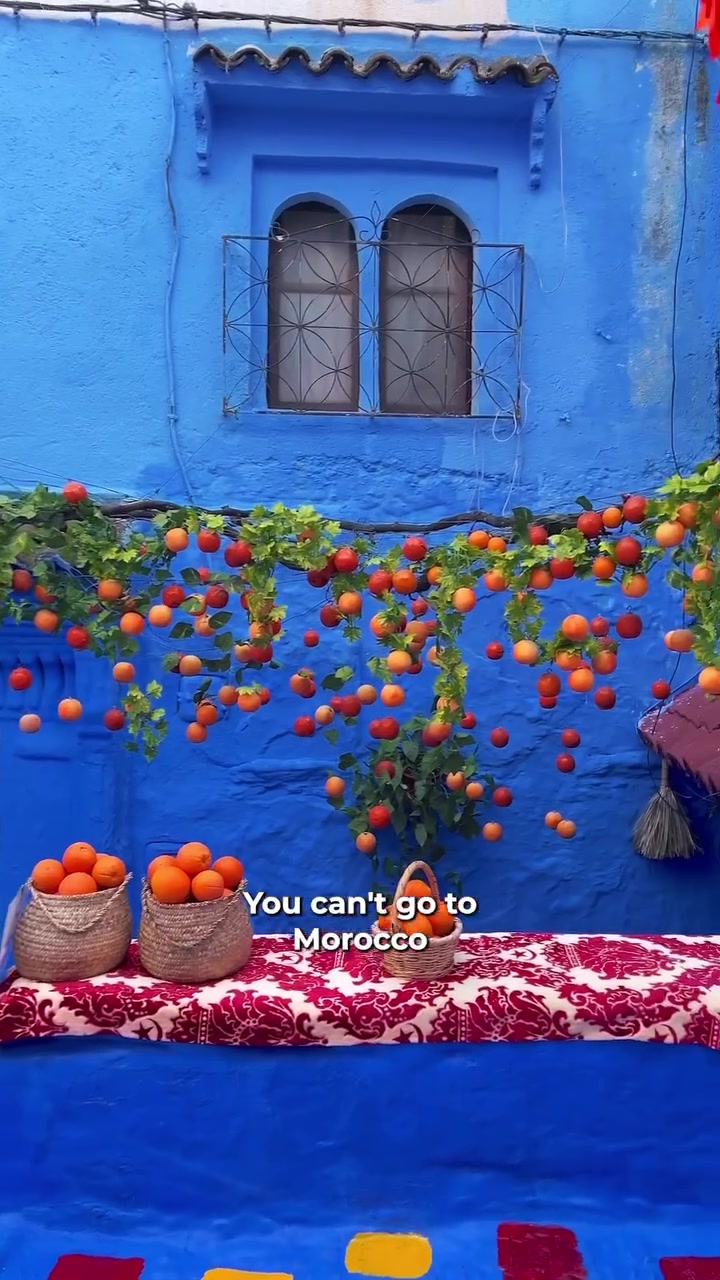
Shefshauen, Morocco's Distinctively Blue City
Few cities in the world evoke as much intrigue and charm as Chefchaouen, nestled in northern Morocco. The city's name might not be instantly recognizable, but the vision of vibrant blue walls will. The blue city, as it’s often called, is a tapestry woven from stories of migration, religion, and time. The city has several theories about the origins of its distinctive blue hue. The most widely accepted theory focuses on a Jewish community that settled in Chefchaouen in the 15th century. The community painted their homes and buildings in shades of blue to represent the color of the sky, symbolically connecting the earthly cityscape with the heavens and the divine. Over time, the blue spread — perhaps for aesthetic reasons, perhaps as tourism grew, no one place of origin was ever visibly cited.
Morocco's distinctive blue city
Travel in Morocco is a feast for the senses, but Chefchaouen is unique. As the blue city’s walls climb, continuation of the city's blue is evident in the aspect of the orange. There are no cars allowed in the Old Town, so it’s a pedestrian’s paradise. The constraint allows for a more idyllic atmosphere as the blue buildings rise. Why is this city a destination? Its allure lies in its fusion of Middle Eastern and North African influences with a distinctive Mediterranean touch, making it a beloved spot for both local and global travelers.
The Chromatic Blue Washes
The city is known for its vibrant, azure hues. The color is particularly prominent in the medina. The painstaking application of the blue pigment has become a symbol of the city — every street, building, and courtyard is washed in varying shades of blue. The blue city blends tradition and tourism. Street vendors selling oranges, windows open for conversations, and lively intermingling. This color story ranges from doors to windows to roofs, but has not replaced the deep cultural roots of Chefchouen. It has been transplanted in a manner to allow the tourism to thrive while also preserving the culture.
Panoramic Views From Above
Atop Chefchaouen, the Spanish mosque offers a breathtaking panoramic view of the city. The expanse includes the old walls and cityscape layered with hues of blue. The Old Town's narrow alleys and streets lead to the mosque and beyond it. The sunsets create an additional layer of aesthetic to this city. The vibrant blue colour integrates well with the organic green and natural sunlight.
Sipping on Tangy Orange Juice
The city’s blue streets are laced with orange-trees. The street vendors sell refreshing orange juice with a juicy, tangy flavor. From the text, Chefchaouen oranges are considered the sweetest oranges in the world. The locals sell the citrus fruit, guaranteeing the best combination of sweet and sweetest. The orb is a mix of the fleshy tangy and juicy. Some oranges are sold whole and some as juice. The kitchen shelves house both.
Visiting Chefchaouen
To experience Chefchaouen, park near Old Town and explore on foot. Climbing up to the Spanish mosque is a must, especially for a sunset view. Start your journey early to explore every corner of the city. The panoramic view from the top is stunning, and the city's unique blend of color and culture makes it a must-visit destination.
- Parking: Park near Old Town and continue the rest of the trip by foot as cars are not allowed in the Old Town.
- Sunset Watching: The best lookout over the city is from the Spanish Mosque on a rooftop overlooking the blue city.
- Orange Juice: Enjoy refreshments after your ascent to the Spanish Mosque.
- Local Interaction: Engage in conversations with locals, who often sit in their windows overlooking the streets. This adds a cultural touch to your trip.
- Explore: Wander through vibrant alleys and discover the city’s unique blend of Mediterranean and North African influences. The blue city’s charm lies in the panoramic view atop the Spanish mosque. Chefchaouen’s blue hues tell a story of resilience, blending tradition with tourism.
Watch the Reel
Questions readers ask
Why are the buildings in Chefchaouen painted blue?
The blue color is deeply rooted in the city's history, particularly tied to the Jewish community that settled there in the 15th century. They painted their homes blue to symbolize the sky and connect with the divine. Over time, the blue hue spread throughout the city, becoming a defining feature.
Can visitors drive through the Old Town in Chefchaouen?
No, cars are not allowed in the Old Town, making it a pedestrian's paradise. This restriction enhances the city's idyllic atmosphere and allows visitors to appreciate the blue buildings more thoroughly.
What makes Chefchaouen's orange juice special?
The city is known for its sweet oranges, often considered the world's sweetest. The orange juice sold by street vendors is tangy and refreshing, adding to the overall sensory experience of visiting Chefchaouen.
What is the best way to see the panoramic view of Chefchaouen?
The Spanish mosque at the top of the city offers a breathtaking panoramic view of Chefchaouen. Visitors can climb up to the mosque, especially at sunset, to enjoy the vibrant blue hues and the natural beauty of the cityscape.
How has the blue hue influenced Chefchaouen's tourism?
The blue color has become a major draw for tourists, blending tradition and tourism seamlessly. The vibrant blue buildings and streets create a unique and picturesque environment, attracting visitors from all over the world, while also preserving the city's cultural roots.
Related deep dives
Similar reads based on topic and creator.



Recent articles
Fresh deep dives from the latest Reels we unpacked.
Comments
Be the first to comment.