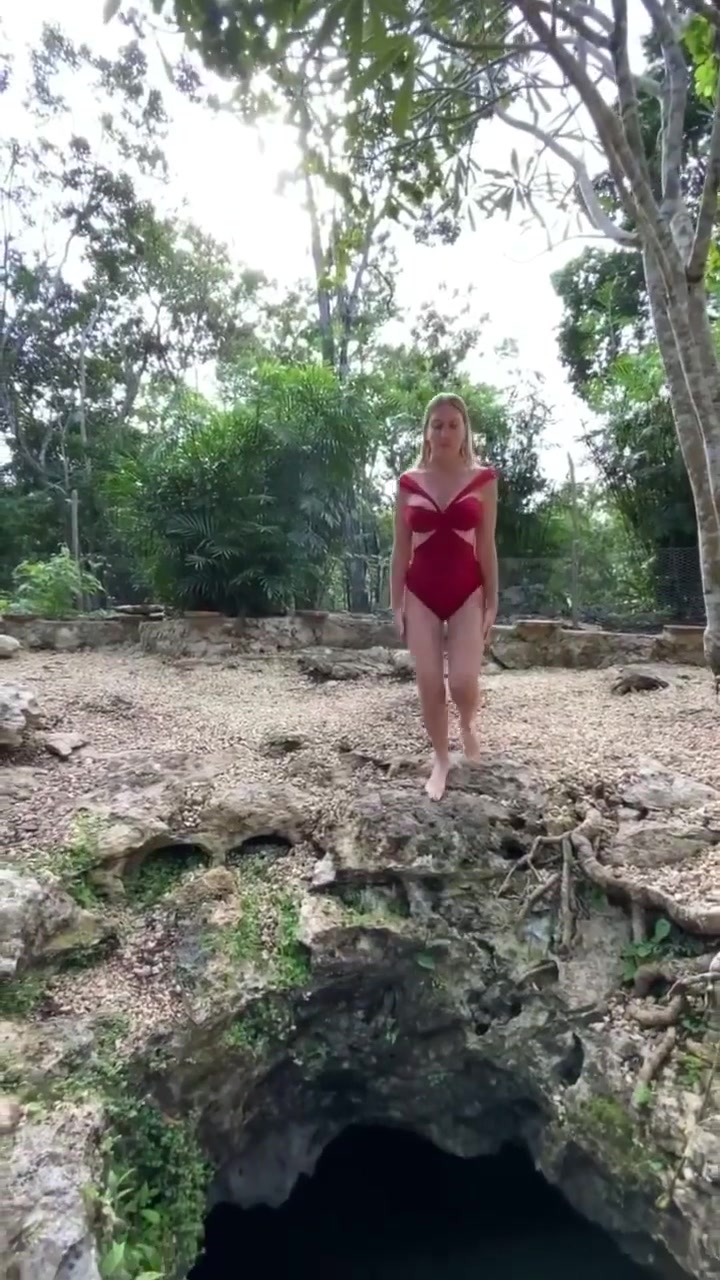
Swim in a valley of a million years old. This is the moment, the jump. The plunge into the unknown, the crystalline sinkhole waters. Mexico is home to such natural mazes — a distinctive ecosystem that's part of the Yucatan Peninsula's ancient allure. These are called cenotes, and for centuries, they have been enticing visitors. The word "cenote" is derived from the Mayan word "dzonot" or "ts’onot"
Born of the Planet's Prehistory
What is a cenote, exactly — and how is it different from, say, a swimming hole or a cave? A cenote is a natural sinkhole resulting from the collapse of porous limestone rock that exposes groundwater underneath and are found in the Yucatan Peninsula of Mexico. The geography of these regions, combined with the soft limestone, enables water to carve large, deep caves over millennia. Over this lengthy process, the rain water carves openings as the minerals dissolve away. The subterranean cave world of forgotten lakes and rivers, sometimes 800 feet below Tulum, are filled with cool, clear water of astonishing clarity. The surrounding walls are dazzling. Cenotes such as Gran Cenote are divided into portions above and below the water’s surface. The deep underwater cavern often shimmers in a blend of teal and turquoise hues. Many cenotes in and around Tulum have intricate stalactites and stalagmites that add to the mystique.
Cenotes in a Water-Scarce World
But why should anyone — especially someone from a location bereft of tropical geology — care about cenotes? They are no mere natural wonder; they are also a vital source of freshwater in a region of natural scarcity. Whether as a natural pool to refresh, a water source for local about people, or a geological wonder in the stone belt. These cavern wells even have a role for locals in ancient times – a place of creation myths, pilgrimages, and the burial of ancient bones. As a result, each exploration of the Yucatan’s cenotes brings together three distinct themes: the ecology of the water, the adventure of exploring the depths, and the cultural significance of the landmark.
Geography of the Abyss
An Underwater Laboratory
Cenotes, what many call pools of fresh water in the ground, are found in the Yucatan Peninsula, which is characterized by limestone bedrock. This rock, which is permeable and soluble, allows water to flow through it, forming intricate networks of caves and underground rivers. The clear water of cenotes contrasts with the mild to dark waters of local caves and opens up opportunities for research and knowledge to see how the landscape evolves along with the growth of these sinkholes.
Tulum and The Tourism Ecological Footprint
Cenotes in Tulum, Mexico, are more than just swimming spots. They offer tourists and the tourists industry a wide range of activities, like swimming, snorkeling, and scuba diving. Exotic fish abound, which the crystal turquoise waters. The surrounding tourist ecosystem represents the influx of people who bring reasons for celebration and pleasure of an island oasis. As the popularity of cenotes grows, questions arise about the environmental repercussions like overcrowding and the pollution it brings.
The Cenote as a Center of Life for the Maya
sinkholes provided drinkable water to the Maya, making them vital to their survival in Central America. Due to their cultural and religious significance, cenotes are also known as sacred sites by many cultures around the world. The cenotes in the Yucatan Peninsula are home to many ancient relics and artifacts, which scientists use to learn how people lived and interacted with the land in the ancient Mayan era.
Laundering Tulum's Most Sacred Sites
Dive, float, or swim underwater just take a step. Navigating a location like Boca Paila near Chiquilá depends on one’s own competencies and skills. The covenanted deep water sites have historic, cultural, and spiritual implications. But, walking through underwater caves the wrong way can cause damage to the delicate ecosystem; not to mention, some cenotes have mysterious depths that make it easy for divers to get lost. Visit the sacred cenotes in accordance with their heritage and culture.
The Geological Legacy of a Sacred Pool
Chocol Ha is located in the Yucatan Peninsula is a cenote that offers a unique geological feature. The cenote is one of the largest in the area and features a large, open chamber filled with fresh, crystal-clear water. The cenote is surrounded by lush vegetation and is home to a variety of wildlife, including fish, turtles, and birds, who thrive in such a unique environment.
Tulum's Cenote-based environmental Education
In the Yucatan Peninsula, cenotes serve as important environmental assets for their aesthetic and ecological value. You'll find educational materials that discuss the role of cenotes in the ecosystems and the need for environmental preservation. This helps teach the public the importance of preserving and protecting cenotes and the unique ecosystems they support.
When to go and what to bring
For those wondering whether they should visit the cenotes in Tulum, Mexico, it might make sense to do so in the summer. The mild summer temperatures are ideal and more enjoyable for those looking to explore in the region. Beach visits aren't enough to capture the diversity and beauty but they are more than worth the journey.
Watch the Reel
Questions readers ask
What exactly is a cenote and how does it form?
A cenote is a natural sinkhole found in the Yucatan Peninsula of Mexico. It forms when porous limestone rock collapses, exposing the groundwater underneath. Over thousands of years, rainwater dissolves the minerals in the limestone, creating large, deep caves and underground rivers.
How are cenotes different from regular swimming holes or caves?
Cenotes are distinct from regular swimming holes or caves because they are formed by the collapse of limestone rock, exposing groundwater. They often have crystal-clear water and unique geological features like stalactites and stalagmites, making them a unique ecosystem.
What makes cenotes significant beyond their natural beauty?
Cenotes are significant not just for their beauty, but also as a vital source of freshwater in a region with natural water scarcity. They hold cultural significance for local communities, serving as sites for creation myths, pilgrimages, and ancient burials.
What kind of activities can you do in a cenote?
Cenotes offer a range of activities, including swimming, snorkeling, and scuba diving. The clear, cool water and unique geological features make them ideal for exploring and enjoying the natural beauty.
How do cenotes impact the local environment and tourism?
While cenotes attract tourists and support the local economy, their popularity also raises concerns about environmental impacts such as overcrowding and pollution. Balancing tourism with conservation is crucial for preserving these natural wonders.
Related deep dives
Similar reads based on topic and creator.


Recent articles
Fresh deep dives from the latest Reels we unpacked.

Comments
Be the first to comment.