The "King’s Highway"
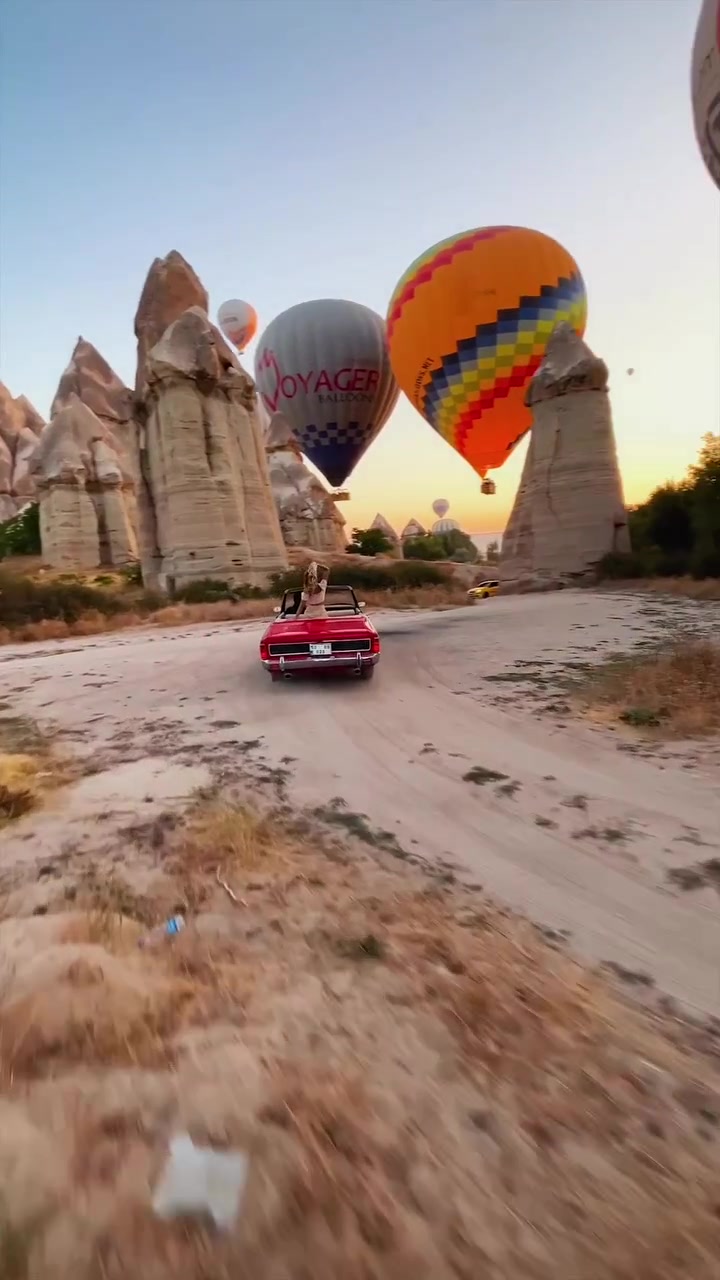
Cappadocia's hot air balloon season opened in "The Abbey" of Cappadocia with a flurry of colorful balloons. The skies over Turkey's iconic landscape are crisscrossed by hot air balloons soaring above the unique rock formations. Hot air balloon tours have become synonymous with Cappadocia in recent decades. When the winds are calm and the skies are clear, this valley in Central Turkey unfolds into one of the world’s most extraordinary outdoor theaters. The unique and vast vineyards of a million years of geological history.
How Cappadocia Hot Air Ballooning Works
Hot air ballooning in Cappadocia is a big business. Voyager Balloons lead people to the takeoff point, and after being weighed, they are given instructions to get in their baskets and brought to the middle of a field. The pilot has multiple cables to work with and needs to ensure the balloon, lights, and other equipment are ready. The burner, which is used to control the altitude of the balloon, is typically fueled by propane gas burned at temperatures over 1000 degrees. The pilot starts the hot air balloon with a loud whistle of the burner and the balloon lifts off, rising almost vertically. With the burner still on, the pilot begins to steer the balloon. Once it is high enough, the burner is turned off for about a half-minute and then turned on again, which causes the balloon to rise and drop. This process is repeated until the balloon is at the desired altitude, and then the pilot starts to fly the balloon. The pilot not only deals with the balloon, but also with the weather. Wind speed and direction are crucial factors to consider when flying a hot air balloon. They must leave early in the morning, around 5 AM. Balloons can be flown at any time of the day, but they experience the best weather conditions in the early morning. In addition, the balloonists are cautious of potential turbulence and all tricks of nature.
The Eagles Above
Hot air ballooning is a truly unique way to explore Cappadocia. Cappadocia's ballooning scene represents an industry powered by over a million people, who visit annually. The valley’s vast sky above is used by wildlife, and the experience is surreal from the air. The air up there feels more like a sanctuary than a landscape. Many people experience the unique sight of seeing wild horses running freely below, and they often remark on how the absence of sounds can be deafeningly serene.
Ballooning and the Mechanics
Compared to other extreme sports, ballooning has a rather straightforward set of mechanics. Climbing to altitude will involve the fuel powering the balloon, known as propane. Heated gas expands, causing the balloon to rise. The balloon stands monumentally tall, with a gentle floating motion that feels more like the rocking of a ship than the turbulence of a plane. The pilot uses the balloon’s burners — powerful jets that create a loud roar and 1,200°F heat — to control the buoyancy of the balloon. When there is too much altitude, the pilot releases the hot air into the atmosphere. When there is not enough, he opens up the burners to create more lift. This fluctuating balance is precisely what makes the experience feel so dynamic. Floating at a safe altitude of just 150 meters, which brings the world down to eye level without wishing to speak again. This experience of flight is ephemeral: even the several hour journey lasts less than a day. The ground crew follows the balloon in a van, ready to meet the balloon wherever it lands. The Tahini is a crucial option for landing.
Ballooning in the Central-Anatolian Region
The drifting of waters across the earth's surface created the valleys, hills, and valleys. Within the valleys of Cappadocia, the unique combination of volcanic activity and erosion over tens of millions of years resulted in a surreal landscape dotted with unique rock formations. With the land being constantly shaped by geology and nature, Central Anatolia's diverse ecosystem is a world in itself. The land of the eagle hunts with the timber landscape and the land above the dried up lake bed.
The Role of the Red Convertible in the Scene
The red convertible in the video adds a unique element to the scene. With people in it, it conveys a sense of adventure as the car drives on a dirt road in the foreground. This car serves as a distinct contrast to the more traditional transport options available and adds a sense of excitement and spontaneity as it drives through the winding roads of the Cappadocian landscape. The convertible — a two-seater — is also visible in the background, floating above the unique rock formations of Cappadocia.
The Route of the Balloonist
The Cappadocian balloonists are not merely sightseers but also the custodians of the landscape. Ballooning tours are a multifaceted experience that blends natural beauty, cultural heritage, and adventure. Since each trip is unique, balloon pilots must be well-versed in not only the mechanics of flying but also the quirks of the ever-changing landscapes. They are deeply knowledgeable about local weather patterns, scenic spots, and safety protocols, ensuring a safe and enjoyable journey for passengers. Navigating the skies over Cappadocia requires a unique skill set, and pilots must be well-versed in not only the mechanics of flying but also the quirks of the ever-changing landscapes. Tours last several hours, usually starting before sunrise and lasting until late morning.
Navigating a Cappadocian Adventure
The first step towards a Cappadocian balloon ride is to choose your pilot and operator. Make sure to choose a reputable company that prioritizes safety and has experienced pilots. Do not hesitate to ask questions about the booking process, how many passengers will be in your balloon, and what the safety procedures are. The prices for hot air balloon rides in Cappadocia vary depending on the operator and the type of balloon you choose. It is recommended to book at least a few months in advance and to travel during the peak season. However, certain parts of the year also offer a more exclusive feel and lower prices, which can be ideal for those who prefer to avoid crowds. The weather is also an important factor to consider when planning your trip. The best time to go ballooning in Cappadocia is during the spring or fall, when the weather is mild and the skies are clear. Check the weather: Ensure that your flight is during calm weather conditions. The best time to schedule a flight is typically early in the morning, during sunrise, because this is when the air is most calm. Before your flight, keep an eye on weather changes because balloon flights are highly weather dependent. If it rains or the wind is too strong, your flight may be canceled. Arrive Early: Make sure to arrive at the meeting point early. This will allow you to complete the necessary paperwork and safety protocols without feeling rushed. Once you arrive at the meeting point, you will typically be transported to the launch site.
- GPS Signal: Check the GPS settings on your phone before departure. Make your phone conspicuous so that the operator can find your exact location.
- Wear appropriate clothing: it can be chilly in the air at the beginning of the ride.
- Hydration and snacks: You may want to bring a small pack of snacks and water for after the flight, as the experience can be quite invigorating.
A Deep Connection
To feel that you’re on a journey through Cappadocia. It is a place where the landscape is literally beneath you, and the wind blows your hair back as you’re aloft. The hot air balloon ride lasts more than an hour and you’ll fly over the “fairy chimneys," valleys, and villages, and witness the beautiful landscape of Cappadocia. The Northern direction of the winds blows your balloons; therefore your direction is North. You will be able to observe the wind patterns while flying.
Watch the Reel
Questions readers ask
How do I get to the takeoff point for a Cappadocia hot air balloon ride?
Voyager Balloons or similar tour operators will typically transport you to the takeoff point. After being weighed, you'll receive instructions and be guided to your basket in the middle of a field.
What exactly does the hot air balloon pilot do during the flight?
The pilot manages the balloon's altitude and direction by controlling the burner, which heats the air inside the balloon. They also monitor weather conditions, especially wind speed and direction, to ensure a safe and smooth flight. They have to use multiple cables and equipment to ensure everything is ready.
Why is early morning the best time for a hot air balloon ride in Cappadocia?
Early morning offers the best weather conditions for hot air ballooning in Cappadocia. The winds are typically calm, and the skies are clear, providing an optimal environment for a safe and scenic flight. Plus, you'll enjoy the spectacle of the sunrise.
What kind of wildlife can I expect to see from a hot air balloon in Cappadocia?
One of the unique aspects of a hot air balloon ride in Cappadocia is the chance to see wildlife from above. Many riders report seeing wild horses running freely below, and the vast sky is a sanctuary for various birds.
What kind of experience should I expect from the balloon ride, and how does it differ from other experiences?
The experience is serene and surreal, with a gentle floating motion that feels more like the rocking of a ship. The absence of sounds can be deafeningly serene, and the unique rock formations of Cappadocia create a stunning backdrop.
How does the pilot control the altitude of the hot air balloon?
The pilot uses the balloon’s burners to control the buoyancy of the balloon. When there is too much altitude, the pilot releases the hot air into the atmosphere. When there is not enough, he opens up the burners to create more lift.
How many people visit Cappadocia annually for hot air ballooning?
Cappadocia's ballooning scene is powered by over a million people who visit annually. The industry is a significant part of the region's tourism, attracting visitors from around the world.
Related deep dives
Similar reads based on topic and creator.

Recent articles
Fresh deep dives from the latest Reels we unpacked.

Comments
Be the first to comment.