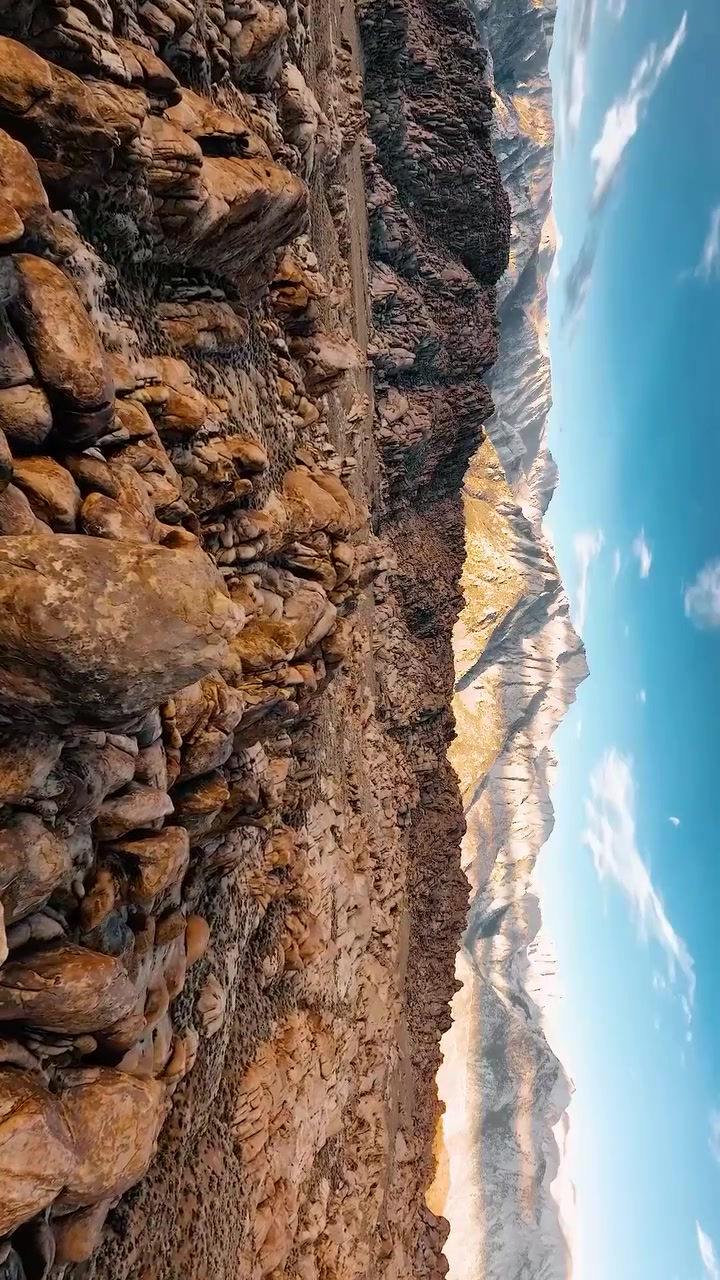
The beauty of canyons and mountains is often celebrated for their vastness, but it's the intimate details of their geological make-up that reveal their true wonder. The close-up views of layered rock formations are a perfect example. This allows the viewer to appreciate the complex geological structure.
The Geological Book of Earthscape
The layering of rocks is a silent history of the Earth's geological history. The layers are formed over millions of years, each one telling a story of climatic changes, tectonic activities and erosion. Geological formations are distinctive due to their unique textures, colors, and patterns. What makes them stand out is the interplay of light and shadow, which makes their natural beauty even more pronounced. This geological structure is organic, in contrast to artificial patterns, making them stand out. In a unique way, geological formations mirror the complexity of Earth’s history. According to the visual data, the rock formations’ textures and patterns reveal a multiplicity of geological stories. These formations are not just rocks, but pages from a vast, intricately detailed book of history.
Nature's Antiquities
Geological formations are more than just scenic attractions—they are tangible records of Earth’s history. They serve as natural museums, preserving evidence of past climates. The stratified layers in canyon walls, for example, offer clues to ancient environments. Their role in understanding the Earth’s structure and history is critical.
The Art of layers
Rock Types and Patterns
Rock formations often consist of different types, including igneous, sedimentary, and metamorphic rocks. Sedimentary rocks, formed from layers of sediment, are particularly notable for their layered structures. These layers can reveal patterns that tell the story of ancient water bodies, volcanic activity, and even the changing climate. The strata of these rocks are each a chapter in the Earth’s timeline, chronicling depositional events over millions of years.
Strata
Strata are the distinct layers that form the backbone of geological formations. These layers are often visible as horizontal bands in canyon walls and cliffs. Each stratum represents a specific geological period. The color and texture of each layer can indicate the type of rock, the environmental conditions during its formation, and any geological events that might have occurred. These strata can be identified by their unique geological markers and fossils, creating a visual narrative of Earth’s geological history.
Erosion
Geological formations are sculpted over time by erosion, a process that gradually wears away rock through wind, water, and temperature changes. Erosion reveals the intricate patterns and layers within the rocks, making them more visible. Different types of rocks erode at different rates, creating unique landscapes. Wind erosion, for example, can carve out intricate patterns and channels in softer rocks. Water erosion, on the other hand, can create deep canyons and dramatic cliffs. The interplay between these forces creates the magnificent rock formations.
Geological Stories
Geological formations often tell stories of tectonic activities. Plate movements can cause formations to fold, fault, or uplift, causing unique structures. For example, folding occurs when layers of rock are bent due to tectonic pressure, resulting in dome-shaped structures. Faulting occurs when layers shift vertically, creating cliffs and escarpments. These features add to the beauty and complexity of the rocks, each highlighting a different chapter in the Earth’s geological history.
What We Can’t see
Sediments are deposited over time, forming layers of rock over millions of years. This process is not visible to the naked eye and requires a geological eye to interpret the story. When visual data is analyzed, we can only see a chapter a time. This constant layering and erosion is not evident without the geological history of these formations.
The Cultural Legacy of Rock Formations
Many geological formations hold cultural and spiritual significance. Native communities often regard these formations as sacred sites, embodying their mythology and tradition. For example, the rock formations in canyon regions such as Mesa Verde are pivotal sites for Ancestral Puebloan’s history, telling stories of their culture and lifestyle.
Exploring Geological Formations
- Best Times to Visit: The perfect window to appreciate rock formations is typically during dawn or dusk, when the low angle of the sun casts dramatic shadows and highlights their textures.
- Recommended Gear: Good footwear, a sturdy backpack, and a camera with a macro lens are essential to explore and capture the intricate details.
- Safety First: Always follow safety guidelines, stay on marked trails, and respect the environment. Carry plenty of water, sun protection, and a first-aid kit.
- Choosing a Destination: Select a destination known for its diverse rock formations, such as the Grand Canyon or Bryce Canyon National Park. These locations offer a variety of geological wonders. Geological formations are not just objects of natural beauty; they are the silent chroniclers of Earth’s history. Their layers and textures tell stories that span millions of years, offering a tangible link to our planet’s past. Understanding these formations gives one profound appreciation for their timeless beauty, their role in the Earth's ongoing narrative and a new lens to approach natural landscapes.
Watch the Reel
Questions readers ask
What exactly are canyon rock formations and why are they so important?
Canyon rock formations are the layered rock structures found in canyons, formed over millions of years through various geological processes. They are important because they serve as a geological timeline, recording Earth's history, climatic changes, and tectonic activities through their distinct layers and textures.
How do different types of rocks contribute to the unique patterns in canyon rock formations?
Canyon rock formations often consist of igneous, sedimentary, and metamorphic rocks. Sedimentary rocks, in particular, are notable for their layered structures, which can reveal patterns of ancient water bodies, volcanic activity, and changing climates. These layers are like chapters in Earth’s timeline, each telling a story of depositional events over millions of years.
What role does erosion play in shaping canyon rock formations?
Erosion is crucial in shaping canyon rock formations. It gradually wears away rock through wind, water, and temperature changes, revealing the intricate patterns and layers within. Different rocks erode at different rates, creating unique landscapes and making the geological stories more visible. This process is what carves out the dramatic cliffs and canyons we see today.
Can I find any specific fossils or geological markers in these formations?
Yes, strata within canyon rock formations often contain unique geological markers and fossils. These markers help identify specific geological periods and provide clues about the environmental conditions during their formation. This makes each layer a visual narrative of Earth’s history.
How do the textures and patterns in canyon rock formations help us understand Earth’s history?
The textures and patterns in canyon rock formations reveal a multiplicity of geological stories. For instance, the interplay of light and shadow on these formations can highlight different geological events, such as volcanic activity or changes in climate. This makes them a tangible record of Earth’s structure and history, much like pages in a geological book.
Related deep dives
Similar reads based on topic and creator.



Recent articles
Fresh deep dives from the latest Reels we unpacked.



Comments
Be the first to comment.