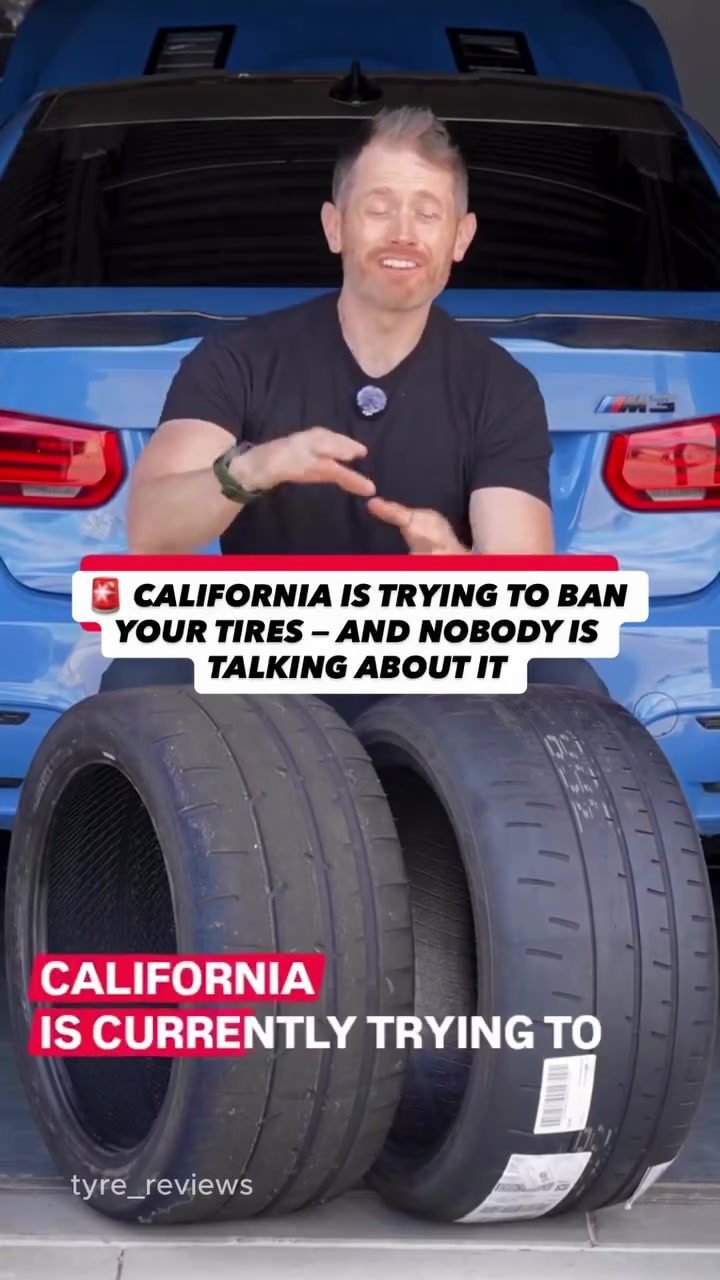
California's New Tire Regulations and Their Impact on Consumers
California is at the forefront of environmental regulations, and the latest target is tires. The state is pushing for new regulations that could significantly impact the types of tires available to consumers. These regulations focus on reducing the rolling resistance of tires, aiming to lower CO2 emissions and improve fuel efficiency. However, the proposed changes have sparked controversy and raised several concerns among tire enthusiasts and experts.
Why This Matters
Tire regulations might not seem like a pressing issue, but they have far-reaching implications. Tires are a critical component of any vehicle, affecting not only performance but also safety and environmental impact. California's proposed regulations aim to reduce the energy consumption of tires, which could lead to substantial CO2 savings. However, the potential downsides, such as reduced tire lifespan and increased production, need careful consideration.
The Science Behind Rolling Resistance
Rolling resistance is a crucial factor in tire performance. It refers to the energy lost when a tire rolls on a surface, primarily due to the deformation of the tire. Tires with lower rolling resistance are more fuel-efficient because they require less energy to move. California's new regulations propose setting a low rolling resistance target for all tires sold in the state.
The Pros and Cons
The primary benefit of lower rolling resistance is reduced fuel consumption, which translates to lower CO2 emissions. According to California's estimates, these regulations could save around two million tons of CO2 annually. However, achieving this low rolling resistance target comes with trade-offs. Tires designed to meet this standard often have lower starting tread depth, shorter tread life, and sometimes even less wet grip. These characteristics are acceptable for original equipment manufacturer (OEM) tires, which are designed to meet specific vehicle performance criteria. However, they are not ideal for aftermarket tires, which consumers often choose for better performance and longevity.
The European Tire Influence
One of the notable aspects of California's proposed regulations is the potential influence of European tires. European tires are known for their lower rolling resistance, but they often fall short in terms of tread life. On average, European tires have a tread life well below the 60,000 to 65,000 miles that American consumers typically expect from an all-season tire. This discrepancy could lead to increased tire production and disposal, which contradicts the environmental goals of the regulations.
Practical Tips for Consumers
If California's regulations are implemented, consumers should be prepared for changes in tire choices and performance. Here are some practical tips to navigate the potential shifts:
1. Research Tire Options
Consumers should stay informed about the tire options available in the market. Look for tires that balance rolling resistance, tread life, and performance. Some tires may meet the new regulations while still offering a good balance of these factors.
2. Consider Tire Maintenance
Regular tire maintenance can extend the lifespan of your tires. Proper inflation, rotation, and alignment can help ensure that your tires last as long as possible, regardless of the rolling resistance requirements.
3. Be Prepared for Higher Costs
With the potential for increased tire production and disposal, consumers may face higher costs. Be prepared for the possibility of paying more for tires that meet the new regulations.
4. Stay Informed
Keep an eye on industry developments and consumer advocacy groups. They can provide valuable insights and updates on the regulations and their impact on tire choices.
Important Takeaways
The proposed tire regulations in California highlight the complex interplay between environmental goals, consumer needs, and industry practices. While the aim is to reduce CO2 emissions, the potential downsides, such as increased tire production and disposal, need careful consideration. Consumers should stay informed and prepared for potential changes in tire choices and performance.
Conclusion
California's new tire regulations represent a significant shift in the automotive industry, with far-reaching implications for consumers and the environment. While the goal of reducing CO2 emissions is commendable, the potential trade-offs in tire performance and increased production need careful consideration. Consumers should stay informed, research their tire options, and be prepared for changes in the market. By doing so, they can make informed decisions and navigate the evolving landscape of tire regulations effectively.
Watch the Reel
Questions readers ask
What are the primary goals of California's new tire regulations?
The main objectives are to decrease CO2 emissions and enhance fuel efficiency. This is achieved by reducing tire rolling resistance, which is the energy lost due to tire deformation while rolling.
How might the new regulations affect tire performance?
Lower rolling resistance can lead to changes in tire performance. Tires designed for reduced rolling resistance may have different handling characteristics, and some may find them less responsive than traditional tires.
Will these regulations impact the lifespan of my tires?
The lifespan of tires may be affected by the new regulations. Tires designed for lower rolling resistance might wear differently or have a different lifespan compared to conventional tires.
Are there any potential safety concerns with the new tire regulations?
Safety is a key consideration. The new regulations may change the way tires handle on the road, and it is important to know how these changes could impact your vehicle’s safety.
What is the timeline for implementing these new tire regulations?
The implementation timeline for these regulations can vary, and the state may provide updates on the expected rollout. It's best to stay informed about any transitional periods or deadlines.
Will these regulations lead to an aftermarket tire ban?
The regulations may restrict the availability of certain types of aftermarket tires. It's important to check the latest updates to understand the impact on tire choices.
How can I find fuel-efficient tires that meet the new California regulations?
To find tires that meet the new regulations, look for tires labeled with low rolling resistance. Many manufacturers are already producing tires that comply with these standards, and they can be found at most tire retailers.
Related deep dives
Similar reads based on topic and creator.

Recent articles
Fresh deep dives from the latest Reels we unpacked.




Comments
Be the first to comment.