Taking the Plunge: The Thrill of Bungee Jumping
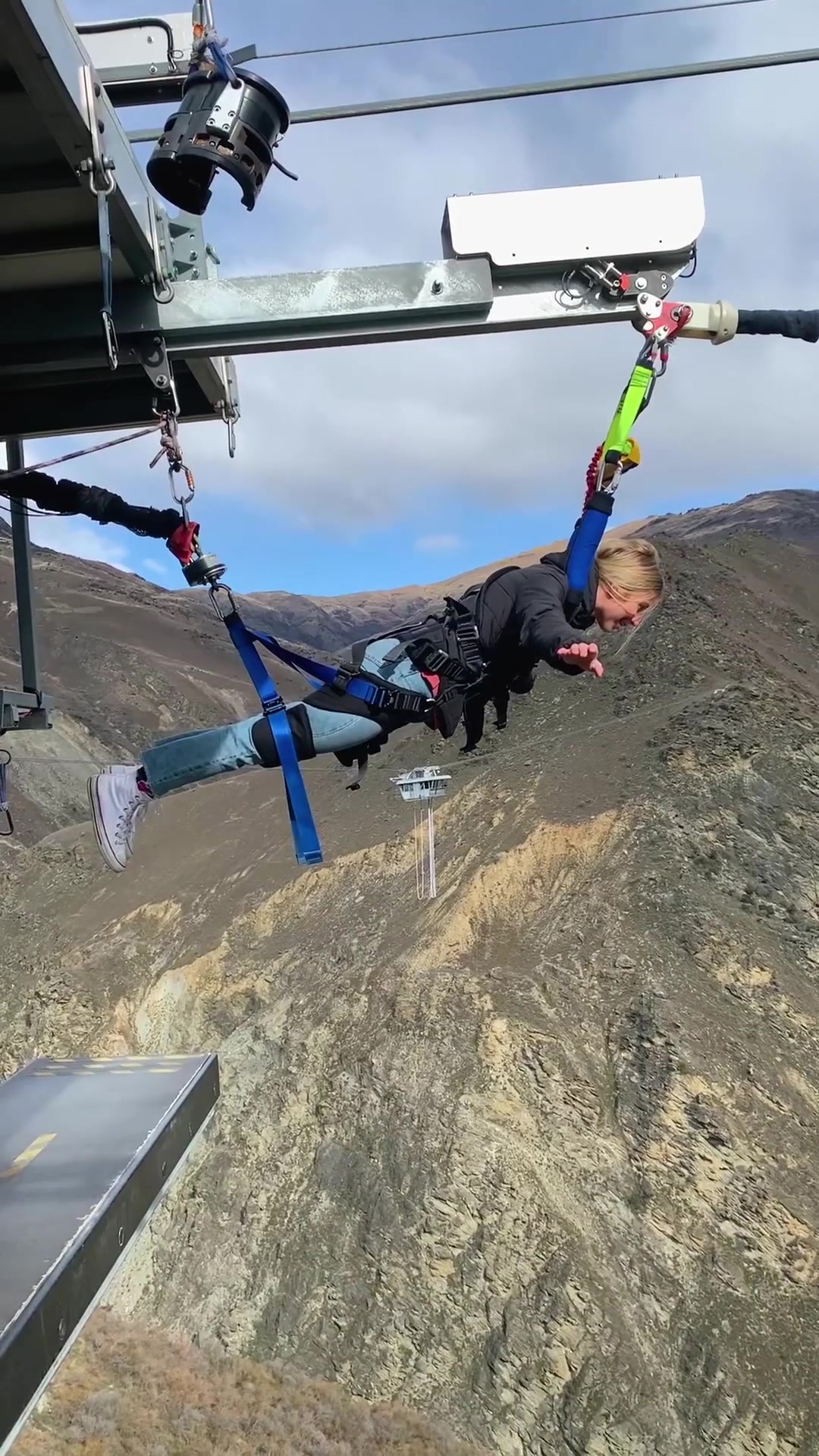
Bungy jumping is an extreme sport that involves leaping from a high platform while secured to a large elastic cord. The goal is to freefall, then be pulled back to safety by the cord. The practice was born from a traditional land-diving ritual in Vanuatu. The activity is known for its intense adrenaline rush. The record for the highest commercial bungee jump stands at 233 metres. A jump from that height would last 15 seconds.
From Ritual to Sport: The Evolution of Bungee Jumping
Bungee jumping has evolved from a traditional ritual to a thrilling adventure sport. Modern bungee jumping began in late 1970s when two Oxford University students, David Kirke and Chris Baker, aided by the university's Dangerous Sports Club, were inspired to recreate the ritual based on the stories. In reality, the heights and elastic cords were initially different. Nowadays, bungee jumps are highly regulated, with strict safety guidelines. The highest bungee jump available commercially reaches 233 metres. This height is reserved for extreme jumpers ready to experience a 15-second freefall. There are even lower-base jumps at different altitudes and locations. At 108 metres with a freefall of 7.03 seconds, there is a thrilling experience often referred to as "the Ledge." The jump is taken from a cliff overlooking a river, adding to the intensity.
Zero Gravity and Unparalleled Views: The Bungee Jumping Experience
The feelings of zero gravity and a sense of escape from gravity give unique thrills to jumpers. Bungy jumping can be an unforgettable experience. A bungee jump is done by a vertical drop, providing a harrowing experience. Jumpers often feel the adrenaline rush before they even take the leap. The video follows the experience from the very beginning, with the person shouting "touch," almost shaking view with the nerve-wracking anticipation of "Mr. Mech, You know how we do." For the best experience, some jumpers prefer to see the ground beneath them. Preparation, safety, and the environment matter most in the bungee jumping experience. Proper harnesses and ropes are essential for a safe experience. Jumpers must be sure their equipment is durable and in good condition.
Banning or Recycling Elastics
There are some key differences between the bungee elastic cords. The most common equipment used in jumping are recycled truck tire elastics. These elastics are more versatile since they are very stable and can handle extreme loads. Some companies still use the rubber bands for their bustiness, but they are more expensive and wear out faster. The jumping industry does not ignore the safety procedures. For the jump to be completely safe, the elastic cord must be strong. Rubber bands are used to be more safe. Proper storage must be ensured to maintain the cord's elasticity. At no point must the elastic cord be wrapped tightly. Before every jump, the cord must be inspected for any damages and to make sure that it is in good condition. However, it is crucial to know that the safety of a bungee jump is far greater than the thrill than it offers. The company should employ experienced and trained personnel to help jumpers with their preparations before the actual jump. At the minimum, every person must have to undergo a training program to understand the safety measures.
The Adrenaline Rush: The Aftermath
Free drinks always come after a successful jump. Feeling the adrenaline gush into the body from the tennis-shoe-sized elastic cords is an unforgettable experience. The positive feedback from the audience had the following remarks, “Oh my God, I was screaming at the top of my lungs as I jumped; it was such an amazing experience. I could feel the adrenaline rushing into my veins, my heart pounding in my chest, and my lungs filling with air as they descended. It was like nothing else in the world." Another said: “I couldn't breathe, I was so scared, but when I jumped I laughed I was laughing so hard and I felt so alive,” says Maddie Mastro .
Want to Take the Leap? Know This
- Research: Visit the jump site and learn about safety guidelines.
- Equipment: Verify the quality and condition of the equipment.
- Professionalism: Look for certified, experienced operators.
- Preparation: Follow the instructions and guidelines.
- Physical: Bungy jumping requires some level of fitness. Jumpers must be in good health and above 14 years of age and weigh less than 240 pounds, these specifications are dictated by the company’s rules.
The Jump is Yours
Bungee jumping offers the ultimate combination of adrenaline rush and breathtaking views, with jumps reaching up to 233 meters. However, this is not a sport for the faint-hearted. The thrill lies in surrendering to gravity and trusting the equipment, the jumpers leap off their platform and experience their moment of weightlessness.
Watch the Reel
Questions readers ask
What exactly is the difference between bungee jumping and other extreme sports like skydiving or cliff diving?
Bungee jumping is unique because it involves a vertical drop from a fixed platform while attached to an elastic cord, allowing for a freefall followed by a rebound. Unlike skydiving, which involves a horizontal freefall from an aircraft, or cliff diving, where divers jump into water, bungee jumping offers a distinct experience of being pulled back up by the cord.
How has bungee jumping evolved from its ritualistic origins to a commercial sport?
Bungee jumping began as a traditional ritual in Vanuatu. It evolved into a commercial sport in the late 1970s when Oxford University students recreated the ritual using elastic cords. Over time, it has been developed in New Zealand into a highly regulated adventure sport with strict safety guidelines, making it accessible to thrill-seekers worldwide.
Is it possible to experience bungee jumping at different heights, and what are the most popular options in New Zealand?
Yes, bungee jumping is available at various heights. In New Zealand, the highest commercial jump is 233 meters, offering a 15-second freefall. For those seeking a less extreme experience, there are lower jumps, such as the 108-meter 'Ledge' jump, which provides a 7.03-second freefall from a cliff overlooking a river.
What kind of equipment is used in bungee jumping, and how is it maintained for safety?
Bungee jumping typically uses recycled truck tire elastics, which are durable and can handle extreme loads. Rubber bands are also used for safety. The equipment must be thoroughly inspected before every jump to ensure there are no damages and that it is in good condition. Proper storage and handling are crucial to maintain the elasticity and safety of the cords, ensuring the jump is safe.
What should a first-time jumper expect from the bungee jumping experience?
First-time jumpers can expect an intense adrenaline rush and a sense of zero gravity. The experience begins with preparation and safety checks. The jump itself involves a vertical drop, providing a harrowing but exhilarating freefall. Many jumpers find the anticipation before the leap equally thrilling, making it an unforgettable adventure.
Why is bungee jumping so popular in New Zealand, and what makes it unique compared to other adventure sports?
New Zealand is the global headquarters for bungee jumping, offering some of the highest and most thrilling jumps in the world. The country's stunning landscapes and regulated safety standards make it a popular destination for adventure seekers. The unique experience of being pulled back up by an elastic cord after a freefall sets bungee jumping apart from other extreme sports.
What are the safety measures in place for bungee jumping, and how are they enforced?
Bungee jumping is highly regulated with strict safety guidelines. This includes the use of durable and inspected equipment, proper storage and handling of elastic cords, and the employment of experienced and trained personnel. These measures ensure that the safety of the jump is prioritized over the thrill, making it a relatively safe adventure sport when conducted by reputable operators.
Related deep dives
Similar reads based on topic and creator.


Recent articles
Fresh deep dives from the latest Reels we unpacked.



Comments
Be the first to comment.