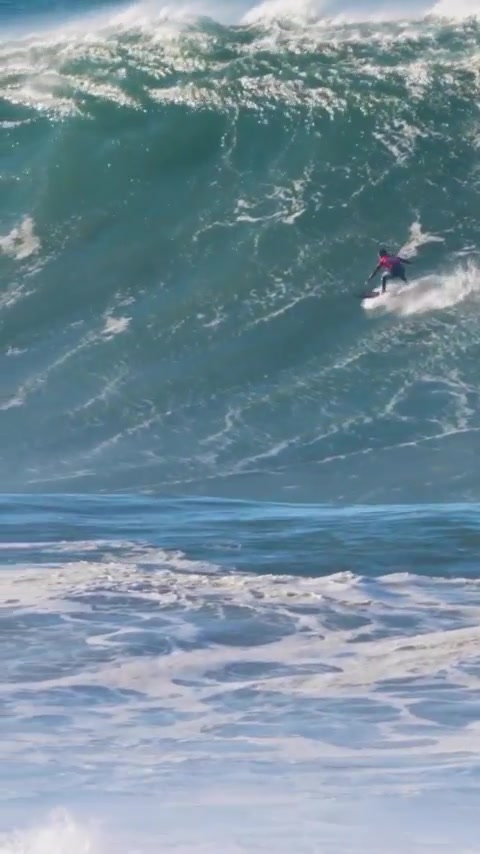
Unraveling the Thrill and Skill of Big Wave Surfing
Big wave surfing is an extreme sport that pushes the limits of human capability and bravery. It involves surfing unusually large waves, typically defined as waves over 20 feet high. The sport requires not just raw skill, but also a deep understanding of ocean dynamics and meticulous preparation.
What the Ocean Hides
The extreme conditions can be very dangerous making it a high-risk sport. To understand why big wave surfing demands such intense skill, and what exactly those risks are, it is important to look at the waves' dynamics. Big wave surfing draws surfers to the world's most treacherous locations. The biggest waves are found in remote areas like the North Shore of Oregon, Puerto Escondido, and Jaws, a massive break off Maui, Hawaii. These places are notorious for their unpredictable weather and reef-covered waters. The surfer's ability to navigate a wave requires constant adjustments. The wave's face can change rapidly, from steep to shallow, and from smooth to breaking. The paddling, drop-in, and maneuvers surfers make on a wave require them to anticipate these changes and react instantly.
Prismatic Power
Big wave surfing thrives on the momentum of novel technology and innovative tow systems. Big wave surfers often use jet skis or other tow-in methods, such as boats and helicopters, to reach the required speed to catch the wave. Unlike traditional surfing, where surfers paddle out to the break, big wave surfers require assistance to get up to speed. The jet ski tow system allows surfers to get to the takeoff point faster and more safely. The jet skis provide the power to paddle out and allow the surfer to catch the waves right before they break. It also allows the surfer to take more significant waves as they do not have to paddle as far or fight the current and waves in deeper water as well. The tow system uses a jet ski to tow the surfer to the break, and tow the surfers back to the shore when they finish. The jet ski has a rope and handle that the surfer holds onto as they are towed. The jet ski is also used to help the surfer to maneuver and avoid obstacles in the water.
History of Riding the Monster
The sport has humble roots tracing back to the 1930s and 1940s, with pioneering surfers like George Downing and Woody Brown. Big wave surfing has been gaining popularity over the years. The subtlety in it lies in the fact that no two waves are ever the same, making each ride unique. Big wave surfing has seen several evolutions, including the introduction of the jet ski tow system, which allows surfers to catch larger and more challenging waves. Yet, the sport's very essence has stayed true to its roots. Wondering what it takes to break into big wave surfing? The best surfers around are the ones who are always pushing themselves to the limit. The sport does not allow mistakes. Despite the risks, big wave surfers are drawn to the thrill of conquering massive waves and the sense of accomplishment that comes with it. The sport attracts a diverse group of athletes, from young adults to seasoned veterans, each with their unique style and approach.
Energy Guides
Big wave surfers rely on a variety of tools and techniques to navigate these dangerous, large, unpredictable waves. The surfboard has evolved over the years to handle larger waves. Modern big wave boards are typically larger, thicker, and more buoyant, allowing surfers to paddle out faster, and catch and stay on bigger, faster-moving waves. With their design encompassing a wider, heavier construction and streamlined shape, these boards are designed for faster paddling and bigger wave riding. Surfers use a variety of tools to stay safe and prepared in the ocean. They rely on wetsuits to keep them warm, and waterproof hoodies. Equipped with safety harnesses, they receive the assistance they need to paddle out to the waves, and return safely to the shore.
Wild Currents
The ocean is an unpredictable and unpredictable environment, and big wave surfers must be prepared for anything. The waves can rise and fall rapidly, creating unpredictable currents that can sweep surfers off course or trap them underwater. The waves can also break unexpectedly, creating dangerous conditions. Surfers must be aware of the dangers associated with big wave surfing. They must be able to hold their breath for long periods, swim in strong currents, and remain calm in the face of adversity. They must also have the ability to anticipate the next wave and ride it with precision and control. Failure to do so could result in injury, drowning, or even death.
Drowning Costs
Big wave surfing is an extreme sport that requires a high level of skill and risk. The sport involves surfing unusually large waves, typically defined as waves over 20 feet high. The sport requires not just raw skill, but also a deep understanding of ocean dynamics and meticulous preparation. The extreme conditions can be very dangerous making it a high-risk sport. Many aspects make the sport dangerous. This includes a combination of physical and psychological challenges. The sport involves riding large, unpredictable waves, and can be a challenging and dangerous endeavor. The sport requires a high level of skill, physical fitness, and mental toughness. It also requires a deep understanding of ocean dynamics and safety. However, surfers generally consider big wave surfing a high-risk, high-reward activity.
The Training Regimen
The sport has humble roots tracing back to the 1930s and 1940s, with pioneering surfers like George Downing and Woody Brown. That said, big wave surfing has evolved over the years as a highly specialized sport. It is a sport that requires perfect timing, precision, and endurance. The sport requires a high level of physical fitness, mental toughness, and ocean awareness, as well as specialized equipment. To ride a big wave, you need a strong body, strong mind, and strong will. The athletes have to possess good balance and have to be able to maintain their balance in rough water.
Try It Your Way
For those who are intrigued by the allure of big wave surfing, extensive training, physical fitness, the right gear, and appropriate safety precautions are essential. More advanced surfers can try maneuvering smaller waves, which is a good way to get accustomed to the forces of the ocean.
- Surf Lessons: Get professional surf lessons to learn the basics of surfing. This will give you a strong foundation to build on.
- Surf Training Gear: Get the right surf training gear to help you gain confidence in the water.
- Safety: Always make sure to use proper safety equipment and follow safety guidelines. The ocean can be dangerous, and it's important to be prepared.
- Mental Strength: Surfing is as much a mental game as it is a physical one. Develop your mental strength through meditation and visualization.
- Experience: Take a course to understand the risks and dangers of the ocean and learn how to navigate it.
Watch the Reel
Questions readers ask
What exactly qualifies as a 'big wave' in big wave surfing?
In big wave surfing, waves are typically considered 'big' when they are over 20 feet high. These waves are significantly larger than those surfed in traditional surfing, posing unique challenges and requiring specialized skills and equipment.
How do big wave surfers manage to catch such massive waves?
Big wave surfers often use jet skis or other tow-in methods to reach the necessary speed to catch the wave. This allows them to get to the takeoff point faster and more safely, and to handle waves that are too big to paddle into.
What are some of the most famous big wave surfing locations?
Some of the most renowned locations for big wave surfing include the North Shore of Oregon, Puerto Escondido, and Jaws off the coast of Maui, Hawaii. These spots are known for their massive, unpredictable waves and challenging conditions.
How has technology influenced the evolution of big wave surfing?
Technology, particularly the jet ski tow system, has significantly impacted big wave surfing. It allows surfers to reach and safely catch larger waves, and helps them navigate the treacherous conditions. This advancement has enabled surfers to push the boundaries of what's possible in the sport.
What kind of preparation is needed for big wave surfing?
Big wave surfing requires meticulous preparation, including a deep understanding of ocean dynamics, constant adjustments to navigate the waves, and the use of specialized equipment like jet skis for tow-in assistance. Surfers must also be prepared for the high risks and unpredictable conditions of the ocean.
What are the risks associated with big wave surfing?
Big wave surfing is a high-risk sport due to the extreme conditions and the unpredictable nature of the waves. Surfers face dangers such as powerful currents, reefs, and the sheer size and force of the waves, which can lead to serious injuries or even fatalities.
How has the sport of big wave surfing evolved since its inception?
Big wave surfing has evolved significantly since the 1930s and 1940s, with the introduction of new technologies like the jet ski tow system. Despite these advancements, the sport has remained true to its roots, focusing on the thrill and challenge of riding massive waves and pushing personal limits.
Related deep dives
Similar reads based on topic and creator.


Recent articles
Fresh deep dives from the latest Reels we unpacked.



Comments
Be the first to comment.