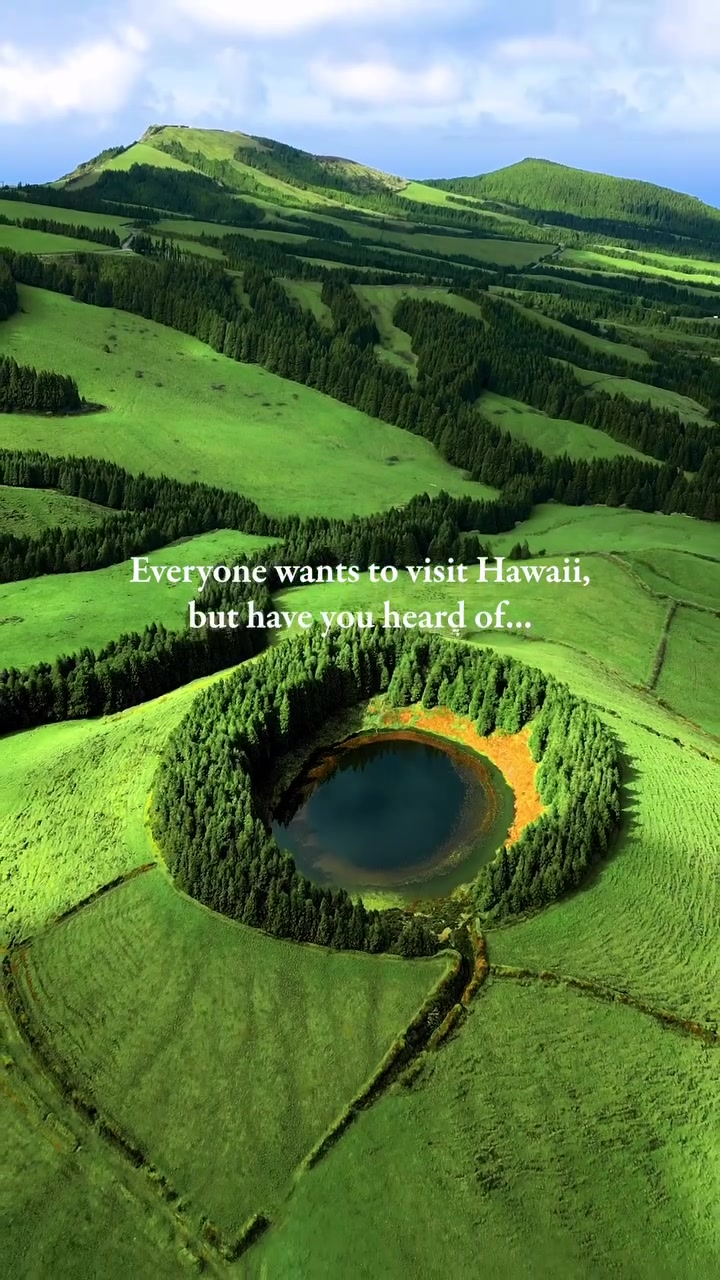
The Azores, a group of volcanic islands off the coast of Portugal, harbor a geological marvel: crater lakes. Some of these lakes nestle within dormant volcanoes, making them smaller than traditional lakes, and rimmed by distinct, circular walls of rock. Imagine a body of water surrounded by lush greenery and encased by volcanic peaks, and you’ve got it. With their unique beauty, they're a viable alternative to traditional tropical destinations like Hawaii. Within the Azores, the physically demanding journey wasn’t without worth to creator merijnvanbrussel. The lava left behind in the Sao Miguel, Azores, is a volcanic paradise.
Crater Lakes Surprise
Crater lakes are bodies of water that fill volcanic craters or calderas, forming when water collects in a volcanic vent or depression. These lakes are distinct from other bodies of water because they are often circular or irregularly shaped and can have varying water temperatures. Crater lakes can be found in many parts of the world, but the Azores’ volcanic landscape provides a particularly stunning backdrop. The circular shape of these lakes is one of their most distinctive features. This shape is a result of the way the volcanic crater forms, with the lake filling the empty space left by a collapsed volcano. This unique landscape can make for dramatic scenery. Crater lakes are shallow and can change in size with rainfall and evaporation, but are perfect for swimming due to the warm temperature of the water. Of the Azores’ crater lakes, Boca do Inferno and Lagoa do Fogo stand out. Boca do Inferno translates to "Hell's Mouth," hinting at the chaotic forces that created it. Lagoa do Fogo translates to "Lake of Fire," which may allude to the fiery origins of the lake.
Disciplining Global Tourism
Mention of Boca do Inferno Lake echos the global tourism culture of the past. It emphasizes a shift away from overcrowded, over-developed tourist destinations. Today, visitors to the Azores are seeking out authentic, less-traveled destinations. These crater lakes are famed for their warmth from the earth. The Azores' thermal hot springs are a unique feature of these islands, mined for their mineral-rich waters by those across the world. Visiting the Azores also has other benefits. The islands are safe, stable, and offer a unique blend of European and American cultures. The local government has also made sustainable tourism a priority, with a focus on eco-tourism and preservation of the islands’ natural beauty. This makes the Azores an attractive destination for travelers who want to explore unique, off-the-beaten-path locations.
Lake-specific Details
Locals consider Boca do Inferno to be one of the most beautiful places on the island. It is known for its stunning views and unique landscape, with a steep cliff from which it was named. This volcano is a green, grassy crater with a lake at the bottom. It is surrounded by lush greenery and offers panoramic views of the surrounding mountains. The crater is also home to a variety of plant life, including rare and endemic species. Other crater lakes on Sao Miguel include Furnas Lake, Lagoa das Sete Cidades, Salto do Cavalo, Lagoa do Canario, Lagoa Comprida, Lagoa do Pico da Pedra, Lagoa do Catano, and Lagoa Rasa.
The Lake Fogo
Lagoa do Fogo, is the highest point on the island. It’s a large lake, almost a mile from end to end. It stands to reason that the lake is a popular destination for hiking, swimming, and picnicking. The lake is also home to a variety of wildlife, including several species of birds and fish. In addition, the lake has a unique ecosystem, with a variety of plant life and thermal hot springs. With mineral-rich waters, the Azores are a paradise for those that want to relax in nature. There are designated walking paths around the lake, providing visitors with a chance to explore the stunning views from the lake's edge.
Unseen Benefits
Soaking in the mineral-rich waters is also relaxing and soothing for the skin. The water is said to have healing properties, and many people visit the hot springs to alleviate arthritis, muscle pain, and skin conditions. The warmer temperature of the water and the surrounding landscape create a calming environment, perfect for a relaxing and enhancing overall wellness. These crater lakes also hold significant cultural and historical value. By offering a unique way to experience the Azores, crater lakes are an essential part of the region’s identity and tourism industry. Local guides offer tours and information about the history of the crater lakes and the island.
Visiting Crater Lakes
The Azores are accessible by air from several European and North American cities, with many visitors flying into Ponta Delgada on the island of Sao Miguel. Visiting the crater lakes of the Azores is an adventure that neither is out of reach nor unattainable. Here's how to get started:
- Tours: Take a guided tour which may include hiking, swimming, and picnicking. Guided tours are a great way to learn more about the crater lakes and the surrounding area. They can help you find the best spots to swim and explore.
- Accommodation: Consider accommodation options near the crater lakes, including hotels, hostels, and vacation rentals. Many accommodations offer amenities such as swimming pools, spas, and restaurants.
- Transportation: To reach the crater lakes, visitors may need to rent a car or take a taxi. Public transportation is limited, but some guided tours include transportation.
- Hiking: The Azores boast miles of trails for hiking and enjoying the volcanic mountain ranges.
The Road Less Traveled
Venturing to the Azores offers up a profound understanding of the world. They provide a stark reminder of the power of nature, and the beauty that can emerge from chaos. They are a symbol of the resilience of life, and the ability of nature to create beauty from destruction.
Watch the Reel
Questions readers ask
What makes crater lakes like Boca do Inferno and Lagoa do Fogo unique compared to other bodies of water?
Crater lakes are unique because they form within volcanic craters or calderas, giving them a distinctive circular or irregular shape. The warm water temperatures and the surrounding volcanic landscape, especially in the Azores, make them stand out. They are also often smaller and shallower than traditional lakes, and can change in size with rainfall and evaporation.
Why are crater lakes in the Azores becoming popular tourist destinations?
The crater lakes in the Azores are gaining popularity because they offer a unique and authentic experience away from overcrowded tourist spots. The islands' safety, cultural blend, and focus on sustainable tourism also make them attractive to travelers seeking off-the-beaten-path destinations.
How did Boca do Inferno get its name, and what makes it a must-visit spot?
Boca do Inferno, or 'Hell's Mouth,' got its name from the steep cliff surrounding the crater. It's a must-visit spot because of its stunning views, unique landscape, and the lush greenery that surrounds the green, grassy crater with a lake at the bottom. It also offers panoramic views of the surrounding mountains and is home to rare and endemic plant life.
Are there other notable crater lakes in the Azores besides Boca do Inferno and Lagoa do Fogo?
Yes, there are several other notable crater lakes in the Azores. Some of the most famous ones include Furnas Lake, Lagoa das Sete Cidades, and Salto do Cavalo. Each of these lakes offers its own unique landscapes and experiences, making the Azores a treasure trove for nature enthusiasts.
What are the benefits of visiting the Azores beyond the crater lakes?
Visiting the Azores offers a blend of European and American cultures, making it a unique cultural experience. The islands are safe and stable, and the local government's focus on sustainable tourism ensures that visitors can enjoy the natural beauty without causing harm. Additionally, the islands' thermal hot springs are a unique feature, offering mineral-rich waters that draw visitors from around the world.
Related deep dives
Similar reads based on topic and creator.


Recent articles
Fresh deep dives from the latest Reels we unpacked.


Comments
Be the first to comment.