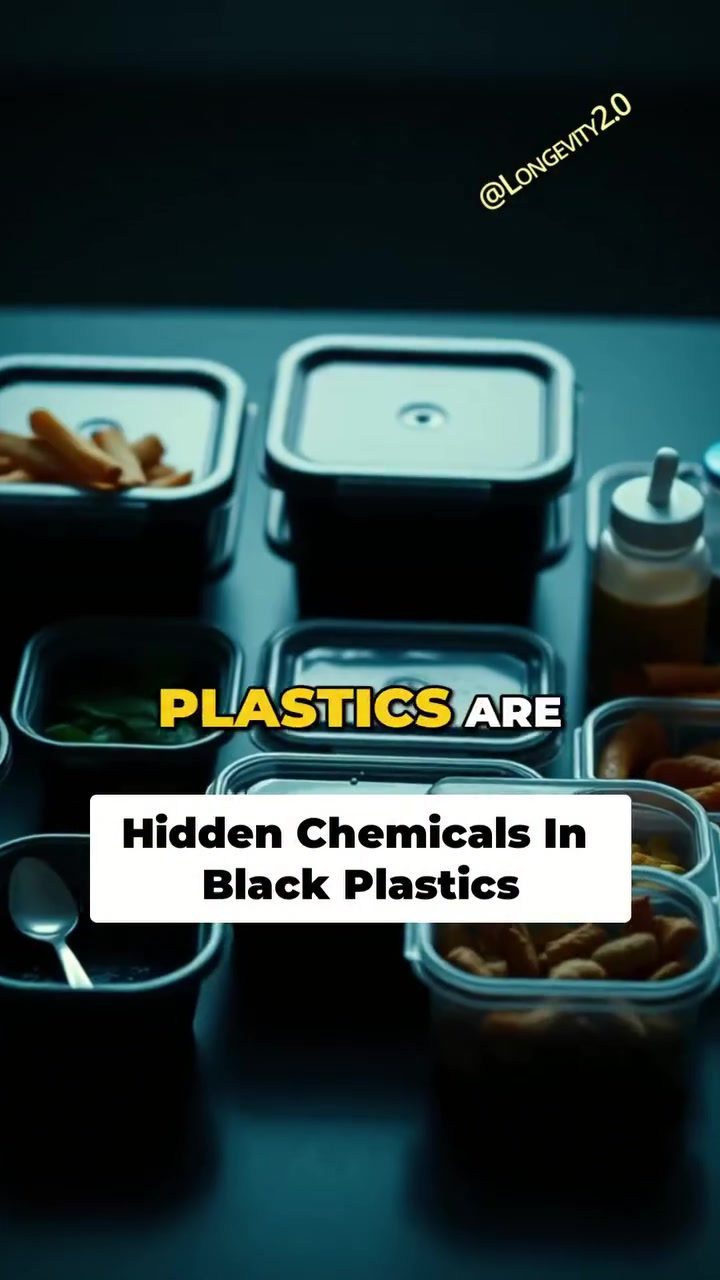
Black Plastics: Uncovering the Hidden Dangers
Black plastics, often used in food containers and utensils, might not be as benign as they seem. Many of these items are made from recycled electronic materials, which can contain a variety of chemicals that pose potential health risks. Understanding these dangers is crucial for making informed decisions about the products we use daily.
Why This Matters
In today's world, we are constantly exposed to a multitude of chemicals. While many of these exposures are unavoidable, some can be mitigated with simple changes in our daily habits. Black plastics, commonly found in sushi containers, takeout boxes, and reusable utensils, are a prime example of items that can be swapped for safer alternatives. By being aware of the potential hazards, we can take steps to reduce our exposure and prioritize healthier choices.
The Chemistry Behind Black Plastics
Black plastics often contain recycled materials from electronic waste. These materials can include flame retardants, BPA-like compounds, and other industrial chemicals. A study published on this topic highlighted that black plastics, such as those used in takeout containers and utensils, frequently contain carcinogenic substances. These chemicals can leach into food, especially when the plastic is heated.
The Role of Heat
Heat is a significant factor in the leaching of chemicals from black plastics. When hot food comes into contact with these plastics, the chemicals can leach into the food at an increased rate. This is particularly concerning for takeout foods and microwaved meals. Studies have shown that heat can increase the leaching of chemicals like BPA by as much as 55 times.
The Impact of Acidity
Acidic and spicy foods can also exacerbate the leaching of chemicals from black plastics. The acidic nature of these foods can break down the plastic more quickly, leading to higher levels of chemical contamination. This means that foods like tomatoes, citrus fruits, and spicy dishes may be at an even greater risk when stored or heated in black plastic containers.
Safer Alternatives
Given the potential risks associated with black plastics, many experts recommend using alternative materials for food storage and consumption. Glass, stainless steel, ceramic, and bamboo containers are all excellent options. These materials are less likely to leach harmful chemicals into food, making them safer choices for both hot and cold meals.
Glass Containers
Glass is a non-porous material that does not react with food. It is also easy to clean and can be used for both hot and cold foods. Glass containers are a great option for storing leftovers, preparing meals, and serving food.
Stainless Steel
Stainless steel is durable, non-reactive, and resistant to corrosion. It is an excellent choice for food storage, especially for hot meals, as it does not leach chemicals. Stainless steel containers are also dishwasher-safe and can be used in a variety of settings, from the kitchen to outdoor picnics.
Ceramic
Ceramic containers are another safe option for food storage. They are non-porous, easy to clean, and can be used in the oven and microwave. Ceramic containers are also aesthetically pleasing, making them a popular choice for both home and professional kitchens.
Bamboo or Non-Plastic Alternatives
For those looking for eco-friendly options, bamboo and other non-plastic alternatives are excellent choices. Bamboo utensils and containers are durable, sustainable, and free from harmful chemicals. They are a great option for reducing waste and minimizing chemical exposure.
Practical Tips
To reduce your exposure to harmful chemicals from black plastics, consider the following tips:
-
Avoid Heating Food in Black Plastics: Whenever possible, transfer hot food to glass, stainless steel, or ceramic containers before heating.
-
Choose Safer Storage Options: Opt for glass, stainless steel, ceramic, or bamboo containers for storing food.
-
Be Mindful of Acidic and Spicy Foods: Store acidic and spicy foods in safer containers to minimize chemical leaching.
-
Check Labels: Look for products that are labeled as BPA-free and free from other harmful chemicals.
-
Consider the Source: Be aware of the materials used in food containers and utensils, especially when dining out or using disposable items.
Important Takeaways
The key takeaway from this discussion is not to fear black plastics but to be mindful of their potential risks. By making simple changes, such as using safer containers and avoiding heating food in black plastics, we can reduce our exposure to harmful chemicals. Small, consistent changes can add up to significant improvements in our overall health and well-being.
Conclusion
In a world where we are constantly surrounded by chemicals, taking proactive steps to minimize our exposure is essential. Black plastics, while convenient, can pose health risks due to their chemical composition and the leaching of harmful substances. By opting for safer alternatives and being mindful of our food storage and heating practices, we can take control of our health and reduce unnecessary chemical exposure. Making these changes may seem small, but they can have a meaningful impact on our long-term health and well-being.
Watch the Reel
Questions readers ask
What are the main concerns with black plastics used in food containers and utensils?
The primary concern with black plastics in food containers and utensils is the presence of chemicals from recycled electronic materials. These chemicals can potentially leach into food and beverages, posing health risks when consumed over time. Additionally, black pigments used in these plastics may contain harmful substances like heavy metals.
How can I identify black plastics that might contain harmful chemicals?
To identify potentially harmful black plastics, look for recycling symbols with numbers 3, 6, or 7. These codes often indicate the presence of potentially harmful chemicals. Black plastics without a recycling symbol or marked with a 'PVC' could be particularly concerning. Avoiding black plastics for food storage is a prudent step to minimize risks.
What types of items commonly contain black plastics with hidden chemical dangers?
Black plastics are frequently found in sushi containers, takeout boxes, and reusable utensils. These items, often used for food storage or preparation, can harbor hidden dangers. Opting for safer alternatives like glass, stainless steel, or BPA-free plastics can help reduce exposure to harmful chemicals.
Are there safer alternatives to black plastic food containers and utensils?
Yes, there are several safer alternatives to black plastic food containers and utensils. Opt for glass, stainless steel, or BPA-free plastic products. These materials are less likely to leach harmful chemicals into food and beverages, making them a better choice for daily use. Additionally, look for products labeled as food-grade and free from phthalates and BPA.
Can heating food in black plastic containers increase the risk of chemical exposure?
Yes, heating food in black plastic containers can increase the risk of chemical exposure. Heat can accelerate the leaching of harmful chemicals from the plastic into the food. To minimize this risk, avoid microwaving or heating food in black plastic containers. Instead, transfer food to safer containers, such as glass or stainless steel, before heating.
How do recycled electronics contribute to the dangers of black plastics?
Recycled electronics often contain various chemicals and heavy metals that can end up in black plastics. During the recycling process, these harmful substances may not be fully removed, leading to contamination. This is why black plastics made from recycled electronic materials can pose significant health risks, especially when used for food storage or preparation.
Why should I be concerned about the black pigments in plastics?
The black pigments used in plastics, particularly those made from recycled materials, can contain harmful substances like heavy metals. These pigments can leach into food and beverages, potentially causing health issues over time. Opting for plastic items with lighter colors or transparent materials can help reduce the risk of exposure to these harmful pigments.
Related deep dives
Similar reads based on topic and creator.

Recent articles
Fresh deep dives from the latest Reels we unpacked.




Comments
Be the first to comment.