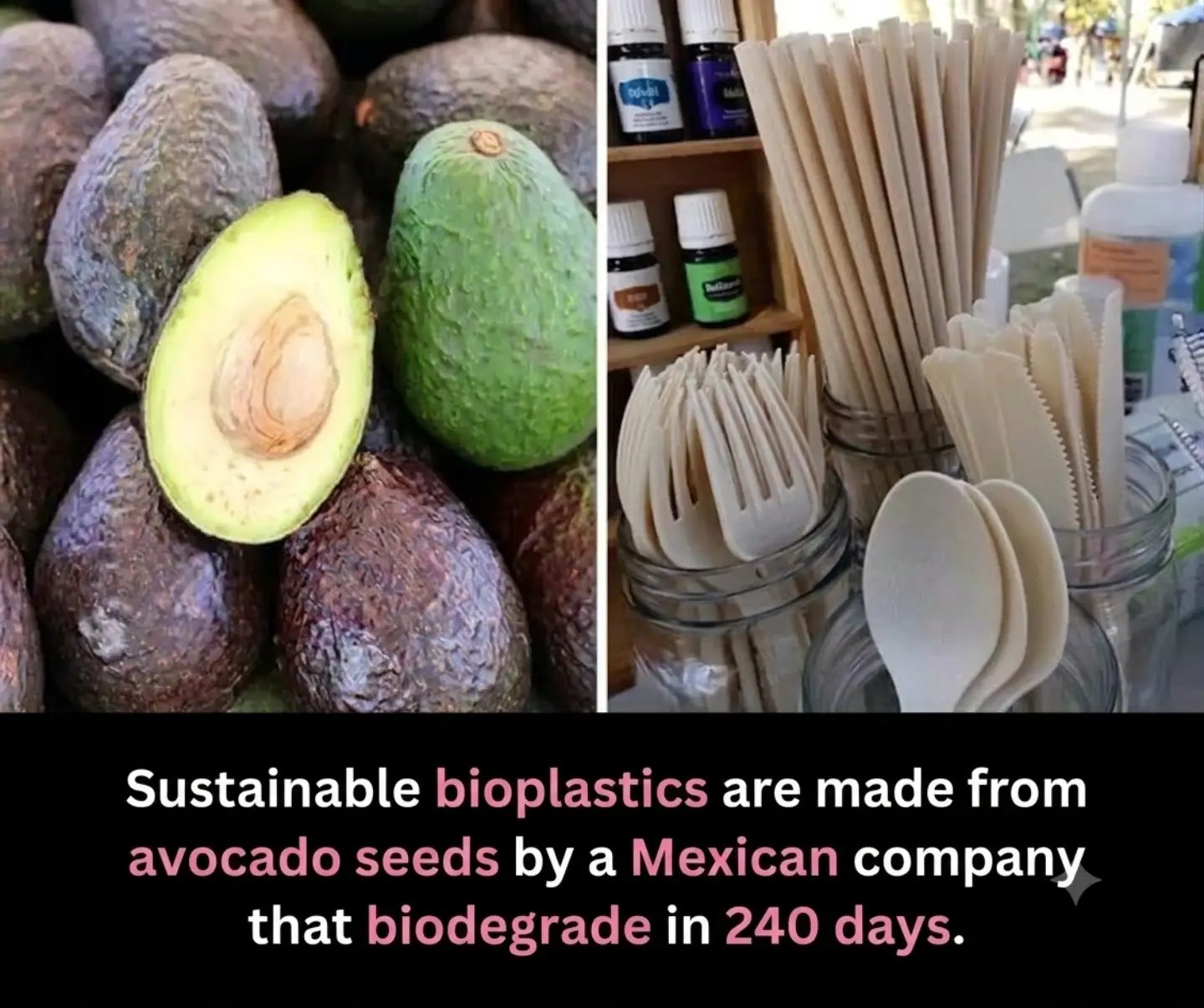
Biodegradable Cutlery and the Rise of Avocado-Based Bioplastics
Biodegradable cutlery made from avocado seeds offers an innovative solution to the environmental challenges posed by single-use plastics. By transforming discarded avocado pits into sustainable bioplastics, a Mexican biotech company has created a biodegradable alternative that could significantly reduce plastic waste. Here's a closer look at this eco-friendly innovation.
Why Biodegradable Cutlery Matters
The environmental impact of single-use plastics is well-documented. Plastic waste contaminates oceans, pollutes landfills, and harms wildlife. Traditional plastics take centuries to degrade, contributing to a growing global waste crisis. Biodegradable cutlery made from avocado seeds, on the other hand, provides a sustainable solution that decomposes much more quickly. In fact, these materials fully biodegrade in just 240 days, significantly reducing the amount of waste that ends up in landfills and oceans.
Avocado-Based Bioplastics: How It Works
The process of creating biodegradable cutlery from avocado seeds is relatively simple yet highly effective. It starts with the extraction of biopolymers from discarded avocado pits. These biopolymers are then converted into usable products such as straws, forks, knives, and spoons. The resulting cutlery is not only eco-friendly but also durable enough for everyday use, proving that sustainability and functionality can go hand in hand.
The Extraction Process
The extraction of biopolymers from avocado seeds involves several steps. The seeds are first cleaned and dried, then ground into a fine powder. This powder is treated with specific solvents to isolate the biopolymers, which are then purified and processed into a usable form. The resulting bioplastics are then molded into various shapes, such as cutlery, through injection molding or 3D printing.
The Benefits of Avocado-Based Bioplastics
Avocado-based bioplastics offer several advantages over traditional plastics:
- Renewable Resource: Avocado seeds are a renewable resource, as avocados are widely cultivated and consumed. This means that the supply of raw material is abundant and continuously replenished.
- Biodegradability: Unlike traditional plastics, avocado-based bioplastics biodegrade within a few months, reducing the environmental impact of plastic waste.
- Durability: These bioplastics are durable and can withstand everyday use, making them a practical alternative to single-use plastics.
Comparison to Traditional Plastics
Traditional plastics are derived from petroleum and take hundreds of years to degrade. In contrast, avocado-based bioplastics are made from renewable resources and biodegrade within 240 days. This significant difference in degradation time makes avocado-based bioplastics a more sustainable option for single-use items.
Practical Tips for Switching to Biodegradable Cutlery
Making the switch to biodegradable cutlery is easier than you might think. Here are some practical tips to help you get started:
Choose the Right Products
When shopping for biodegradable cutlery, look for products made from avocado seeds or other plant-based materials. Check for certifications that indicate the product is biodegradable and compostable.
Proper Disposal
To ensure that your biodegradable cutlery decomposes properly, dispose of it in a compost bin or a designated composting facility. Avoid throwing it in the regular trash, as it may not break down as intended in a landfill.
Support Local and Sustainable Brands
Support companies that are committed to sustainability and using eco-friendly materials. By choosing brands that prioritize the environment, you can contribute to a more sustainable future.
Reduce, Reuse, Recycle
In addition to switching to biodegradable cutlery, practice the three R’s: reduce, reuse, and recycle. Reduce your overall consumption of single-use items, reuse what you can, and recycle the rest.
Encourage Others
Spread the word about the benefits of biodegradable cutlery. Encourage friends, family, and colleagues to make the switch and support sustainable practices.
Important Takeaways
The use of avocado-based bioplastics for biodegradable cutlery is a significant step towards a zero-waste future. Here are the key takeaways from this innovative solution:
- Environmental Impact: Biodegradable cutlery made from avocado seeds reduces plastic waste and its environmental impact.
- Sustainability: The use of renewable resources and biodegradable materials supports a sustainable and zero-waste lifestyle.
- Durability: Avocado-based bioplastics are durable and practical for everyday use, making them a viable alternative to traditional plastics.
Conclusion
Biodegradable cutlery made from avocado seeds represents a promising innovation in the fight against plastic waste. By harnessing the power of renewable resources, this eco-friendly solution offers a sustainable alternative to single-use plastics. As more companies and consumers adopt this technology, we move closer to a future where waste is minimized, and the environment is protected. Making the switch to biodegradable cutlery is not just a choice; it's a step towards a more sustainable and eco-friendly world.
Watch the Reel
Questions readers ask
What is the primary benefit of avocado seed bioplastics over traditional plastics?
The main benefit of avocado seed bioplastics is their ability to biodegrade in just 240 days, unlike traditional plastics that take centuries to decompose. This significant reduction in degradation time helps lower plastic waste and environmental pollution.
How are avocado seed bioplastics produced?
Avocado seed bioplastics are created by extracting and converting biopolymers from avocado pits. This process transforms discarded avocado seeds into durable, sustainable materials, creating an innovative and eco-friendly alternative to traditional plastics.
Who is behind the development of avocado seed bioplastics in Mexico?
A Mexican biotech company is responsible for developing avocado seed bioplastics. They have created an environmentally friendly solution to reduce plastic waste by transforming avocado pits into biodegradable bioplastics.
What types of products can be made from avocado seed bioplastics?
One of the key applications of avocado seed bioplastics is in creating biodegradable cutlery. These eco-friendly utensils offer a practical and sustainable alternative to single-use plastic cutlery, helping to reduce plastic waste and environmental impact. Bioplastic cutlery is just one example of the products that can be made from these sustainable materials.
How do avocado seed bioplastics help reduce plastic waste?
By breaking down in just 240 days, avocado seed bioplastics significantly reduce the amount of plastic waste that accumulates in landfills and oceans. This quick biodegradation process helps minimize the environmental impact of single-use plastics and contributes to a more sustainable waste management approach.
Related deep dives
Similar reads based on topic and creator.


Recent articles
Fresh deep dives from the latest Reels we unpacked.




Comments
Be the first to comment.