Stormwater Management Solutions
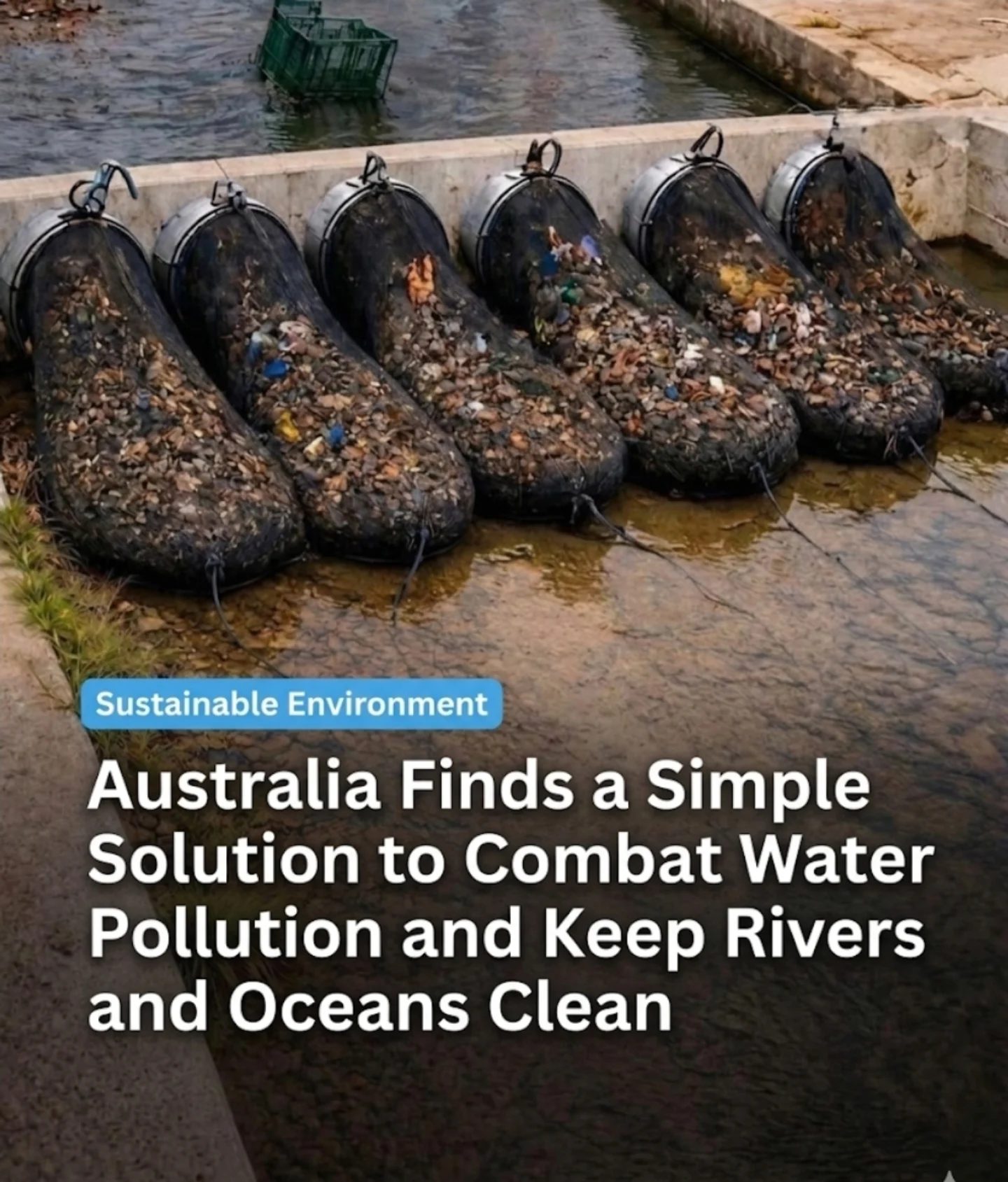
Australia is at the forefront of a groundbreaking stormwater management initiative, particularly in Kwinana, Western Australia. This innovative solution, known as stormwater drain nets or "litter traps," addresses the urgent need to keep rivers and oceans clean by capturing pollutants before they enter natural waterways. Here’s how this simple yet effective technology works.
Context / Why this matters
Urban pollution is a significant challenge in many cities around the world. Stormwater runoff from heavy rainfall often carries a host of pollutants, including plastics, organic debris, and other coarse pollutants, into local waterways. This contamination poses a serious threat to aquatic ecosystems, making it crucial to implement effective solutions for capturing these pollutants before they can cause harm.
The Impact of Urban Pollution
The consequences of urban pollution on water bodies are far-reaching. Pollutants can disrupt the natural balance of ecosystems, harming marine life and potentially affecting human health. The pollutants that find their way into rivers and oceans can also degrade water quality, making it unsuitable for various uses, including drinking, recreation, and agriculture.
Main discussion
How the Stormwater Drain Nets Work
Stormwater drain nets are heavy-duty mesh nets that are securely fastened to the outlets of concrete drainage pipes. These nets act as a physical filtration barrier, capturing coarse pollutants, plastics, and organic debris washed away by heavy rainfall. By preventing these pollutants from entering rivers and oceans, the nets help maintain the health of aquatic ecosystems.
Deployment and Maintenance
These nets are strategically placed at the outlets of drainage pipes to ensure maximum effectiveness. The captured pollutants are periodically collected by municipal waste management teams. The collected waste is then sorted and processed, often separating recyclable materials from organic matter. This process not only helps in keeping the waterways clean but also contributes to sustainable waste management practices.
The Benefits of This Solution
The use of stormwater drain nets offers several advantages. Firstly, it provides a cost-effective and scalable approach to urban pollution control. The nets are simple to install and maintain, making them a feasible solution for cities of all sizes. Secondly, this method supports environmental conservation by reducing the amount of waste that enters natural waterways. Lastly, the captured waste can be processed and recycled, further enhancing the sustainability of this solution.
Real-World Application in Kwinana
The stormwater drain net initiative in Kwinana, Western Australia, has demonstrated significant success in preventing thousands of pounds of waste from contaminating local waterways. This initiative serves as a model for other cities looking to implement similar solutions to combat urban pollution.
Practical tips
Implementing Stormwater Management Solutions
If you are involved in urban planning or environmental management, consider the following tips for implementing stormwater management solutions:
- Assess Your Needs: Evaluate the specific pollution challenges in your area and identify the primary sources of pollutants.
- Choose the Right Technology: Depending on your needs, you may choose from a variety of stormwater filtration devices, including stormwater drain nets, sediment traps, and other filtration systems.
- Strategic Placement: Place the filtration devices strategically to maximize their effectiveness. Ensure that they are securely fastened and regularly maintained.
- Regular Maintenance: Establish a routine for collecting, sorting, and processing the captured pollutants. This not only keeps the waterways clean but also helps in waste management.
- Community Involvement: Engage the local community in the initiative. Public awareness and participation can significantly enhance the success of the program.
Important takeaways
- Effective Pollution Control: Stormwater drain nets are a simple yet effective solution for capturing pollutants before they enter natural waterways.
- Cost-Effective and Scalable: This method offers a cost-effective and scalable approach to urban pollution control, making it suitable for cities of all sizes.
- Environmental Benefits: By reducing waste in waterways, these nets support environmental conservation efforts and help maintain the health of aquatic ecosystems.
- Model for Other Cities: The success of this initiative in Kwinana, Western Australia, serves as a model for other cities looking to implement similar solutions.
Conclusion
The stormwater management initiative in Kwinana provides a practical and effective solution for keeping rivers and oceans clean. By capturing pollutants before they can enter natural waterways, stormwater drain nets play a crucial role in urban pollution control and environmental conservation. As cities around the world grapple with the challenges of urban pollution, this innovative solution offers a promising model for sustainable waste management and environmental protection.
Watch the Reel
Questions readers ask
How do stormwater drain nets in Kwinana help combat urban pollution?
Stormwater drain nets, or litter traps, in Kwinana capture plastics, organic debris, and other pollutants from stormwater runoff. By preventing these contaminants from entering rivers and oceans, the nets play a crucial role in maintaining clean aquatic environments.
What types of pollutants are captured by stormwater nets in Australia?
The stormwater nets in Australia are designed to capture a variety of pollutants, including plastics, organic debris, and other coarse pollutants. This helps to reduce the overall amount of waste that enters local waterways and ultimately reaches the ocean.
Why is stormwater management important in urban areas?
Effective stormwater management is vital in urban areas because heavy rainfall often carries a mix of pollutants into rivers and oceans. By managing stormwater effectively, cities can protect aquatic ecosystems and reduce the impact of urban pollution on natural environments.
How do stormwater nets benefit the environment in Australia?
Stormwater nets benefit the environment by preventing pollutants from reaching natural waterways, thereby protecting aquatic life and maintaining the health of rivers and oceans. This proactive approach helps to combat runoff pollution and keeps waterways cleaner.
What is the significance of the stormwater management initiative in Kwinana, Western Australia?
The stormwater management initiative in Kwinana is significant because it serves as a model for effective urban pollution control. By implementing stormwater nets, Kwinana demonstrates a practical and simple solution to the complex problem of keeping oceans and rivers clean.
How do stormwater nets contribute to reducing ocean plastic pollution in Australia?
Stormwater nets in Australia reduce ocean plastic pollution by intercepting plastics and debris before they can reach the ocean. This helps minimize the amount of plastic waste that ends up in marine environments, protecting marine life and ecosystems.
Related deep dives
Similar reads based on topic and creator.

Recent articles
Fresh deep dives from the latest Reels we unpacked.




Comments
Be the first to comment.