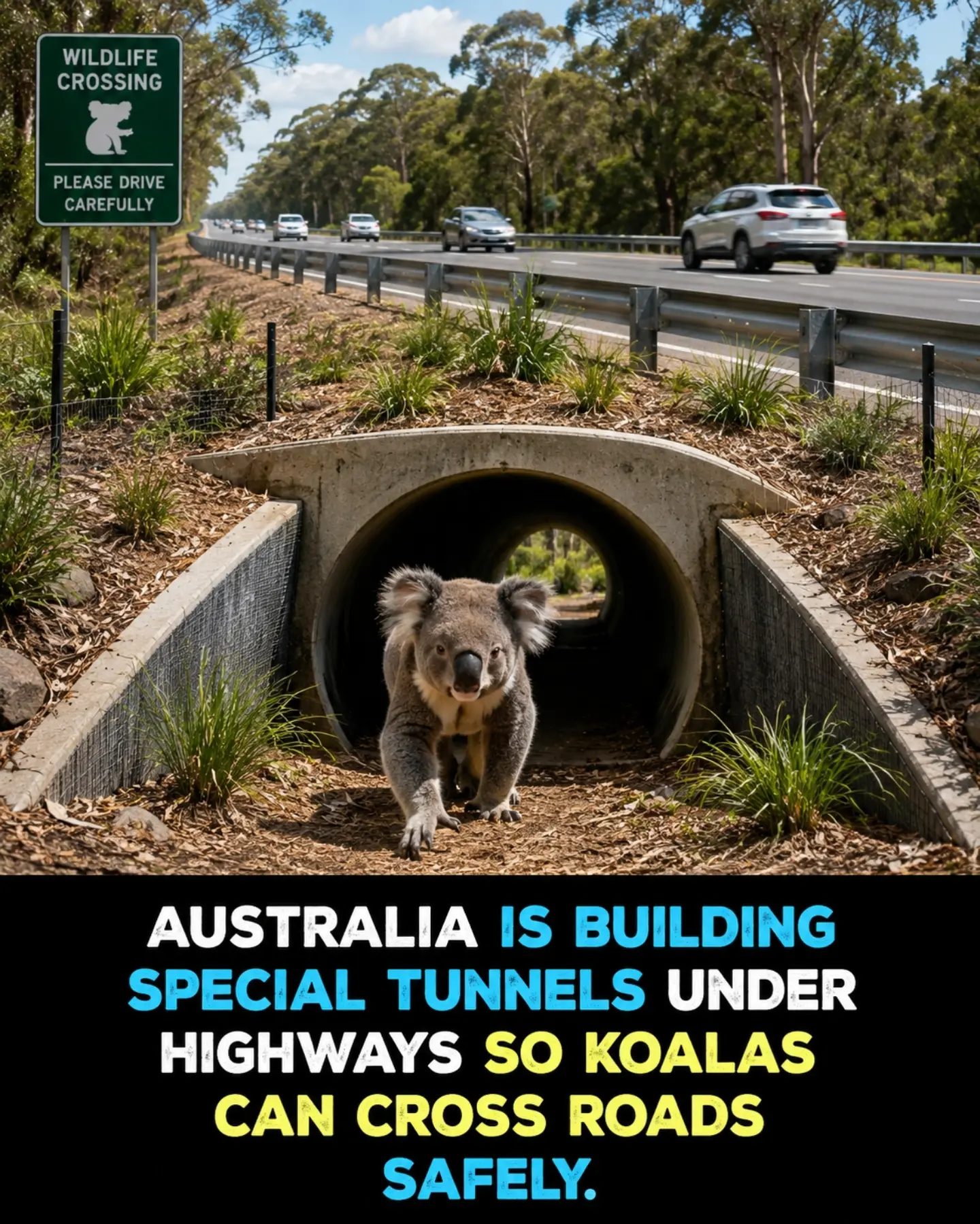
Koala Wildlife Crossings: Protecting Australia's Iconic Marsupials
Koala wildlife crossings are a critical initiative in Australia's efforts to protect its iconic marsupials. These crossings, which include tunnels and overpasses, are designed to help koalas navigate safely through human-inhabited areas. Understanding the significance of these crossings is essential for appreciating the broader context of wildlife conservation in Australia.
Why This Matters
Koalas are a beloved and iconic species in Australia, but they face numerous threats to their survival. Habitat loss, disease, and vehicle collisions are among the primary challenges. Wildlife crossings are a proactive measure to mitigate these threats. By creating safe passageways for koalas, these initiatives help reduce roadkill and preserve the koala population.
Design and Functionality of Koala Wildlife Crossings
Tunnel Design
The tunnels specifically designed for koalas are engineered to mimic their natural habitats. These underground passageways are constructed under highways, allowing koalas to cross roads safely without encountering vehicles. The tunnels are strategically placed in areas known for high koala activity, ensuring that they are utilized effectively.
Overpasses and Other Structures
In addition to tunnels, overpasses and other structures are also part of the wildlife crossing network. These elevated pathways provide koalas with a safe route across busy roads, minimizing the risk of collision with vehicles. Overpasses are particularly useful in areas where tunnels might not be feasible due to terrain or infrastructure constraints.
The Construction Process
Planning and Monitoring
The construction of koala wildlife crossings involves extensive planning and monitoring. Wildlife biologists and engineers work together to identify the best locations for these crossings. The process includes studying koala movement patterns, assessing road usage, and ensuring that the construction does not disrupt the natural habitat.
Materials and Construction
Materials used in the construction of these crossings are chosen for their durability and environmental friendliness. The tunnels and overpasses are built to withstand natural elements and heavy usage, ensuring long-term viability. The construction process also includes measures to minimize disturbance to the surrounding wildlife.
Practical Tips for Supporting Koala Conservation
Drive Carefully
Drivers play a crucial role in supporting koala conservation. Adhering to speed limits and being alert to wildlife crossing signs can significantly reduce the risk of collisions with koalas. Always be vigilant, especially in areas known for high koala activity.
Support Conservation Efforts
Individuals and communities can support koala conservation efforts by advocating for wildlife-friendly infrastructure. This includes promoting the construction of more wildlife crossings and contributing to organizations dedicated to koala protection.
Plant Native Vegetation
Planting native vegetation along roadsides and in urban areas can provide additional habitat for koalas. Native plants offer food and shelter, helping koalas thrive in areas impacted by human development.
Important Takeaways
Koala wildlife crossings are vital for the conservation of these iconic marsupials. These structures not only reduce roadkill but also help maintain the ecological balance in areas with high human activity. By understanding the design, functionality, and construction of these crossings, we can better appreciate the efforts being made to protect koalas. Driving carefully, supporting conservation efforts, and planting native vegetation are practical steps everyone can take to contribute to koala conservation.
Conclusion
Koala wildlife crossings represent a significant step forward in wildlife conservation. By providing safe passageways for koalas, we can mitigate the threats they face and ensure their survival. Through careful planning, thoughtful construction, and community support, these initiatives can make a real difference in protecting Australia's beloved marsupials.
Watch the Reel
Questions readers ask
What are koala wildlife crossings and why are they important?
Koala wildlife crossings are structures like tunnels and overpasses built to help koalas move safely through areas with human activity. They are important because they reduce the risk of vehicle collisions, which are a significant cause of koala deaths, and help maintain healthy koala populations by preserving habitat connectivity.
How do wildlife tunnels and overpasses help koalas?
Wildlife tunnels and overpasses provide koalas with a safe way to cross roads and highways without coming into contact with vehicles. This helps to reduce roadkill incidents and allows koalas to access different parts of their habitat, which is crucial for feeding, mating, and overall survival.
What are some challenges koalas face in Australia?
Koalas in Australia face several challenges, including habitat loss due to urban development and deforestation, the spread of diseases like chlamydia, and a high risk of vehicle collisions. These factors make conservation efforts, such as wildlife crossings, essential for their survival.
Are wildlife crossings effective in other parts of the world?
Yes, wildlife crossings have proven effective in various parts of the world. For instance, in the United States and Europe, wildlife tunnels and overpasses have significantly reduced animal-vehicle collisions and helped maintain wildlife populations by ensuring habitat connectivity.
How can wildlife tunnels and overpasses benefit other wildlife species?
Wildlife tunnels and overpasses are not just for koalas; they benefit a wide range of species. Designing these crossings to accommodate various animals, including kangaroos, wombats, and native birds, helps to create a more comprehensive approach to wildlife conservation and road safety.
What role do community and government initiatives play in koala conservation?
Community and government initiatives are crucial in koala conservation. These initiatives can involve funding for wildlife crossing projects, public awareness campaigns to encourage safe driving habits, and the creation of wildlife corridors that connect fragmented habitats, all of which contribute to the overall health and survival of koala populations.
How can individuals support koala conservation efforts?
Individuals can support koala conservation efforts by advocating for the construction of wildlife crossings in their communities, participating in local conservation projects, and promoting awareness about the importance of koala road safety. Additionally, supporting organizations that work on koala conservation and donating to wildlife crosses can make a significant difference.
Related deep dives
Similar reads based on topic and creator.


Recent articles
Fresh deep dives from the latest Reels we unpacked.




Comments
Be the first to comment.