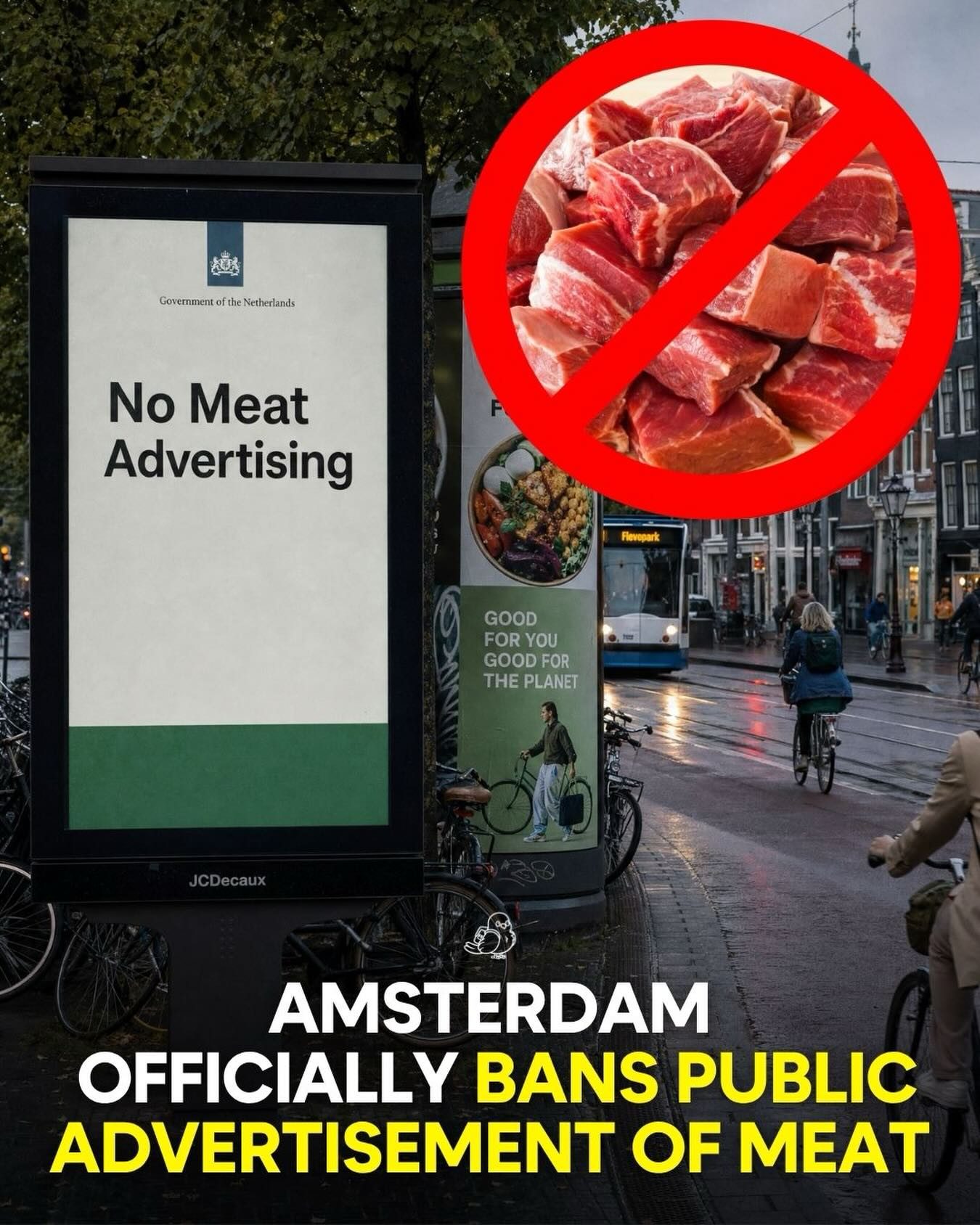
Amsterdam's Public Meat Advertising Ban
Amsterdam has made headlines as the first capital city in the world to ban public advertisements for meat products. Starting May 1, the city has prohibited ads for burgers, chicken, fish, cheap flights, cruises, and fossil fuel-related products on billboards, bus stops, metro stations, and other public spaces. This move is part of Amsterdam’s broader plan to cut carbon emissions and promote sustainable lifestyles by 2050. City officials believe that public spaces should reflect and support the city’s climate goals, but critics argue that the ban infringes on consumer choice and commercial freedom.
Context / Why this matters
This ban is significant for several reasons. Firstly, it represents a bold step towards reducing the environmental impact of the city's carbon footprint. Meat production, particularly beef, is known for its high carbon emissions and resource use. By limiting the promotion of meat products in public spaces, Amsterdam aims to steer its residents towards more sustainable dietary choices. Secondly, the ban is part of a larger trend of cities taking bold actions to combat climate change, setting an example for other urban areas around the world.
Moreover, the ban extends beyond just meat products. It also targets advertisements for cheap flights, cruises, and fossil fuel-related products. These industries are significant contributors to carbon emissions, and by restricting their visibility in public spaces, Amsterdam is sending a clear message about its commitment to sustainability. This move is likely to influence other cities and perhaps even countries to consider similar measures.
Main discussion
The Scope of the Ban
The ban covers a wide range of public spaces, including billboards, bus stops, metro stations, and other areas where advertisements are commonly displayed. This broad scope ensures that the message reaches a large and diverse audience, making it more impactful. The ban is not just about removing advertisements, but also about reshaping the city's visual landscape to promote healthier and more sustainable choices.
The Rationale Behind the Ban
The primary goal of the ban is to reduce carbon emissions and promote a more sustainable lifestyle. Meat production is a significant contributor to greenhouse gas emissions, and by discouraging its consumption, the city can help mitigate climate change. The ban is also seen as a way to encourage residents to make more environmentally friendly choices, whether it's through diet or other lifestyle changes.
Public Reaction and Criticism
While the ban has been met with support from environmental advocates, it has also faced criticism. Critics argue that the ban limits consumer choice and infringes on commercial freedom. They believe that individuals should have the right to make their own choices about what they consume and that the government should not interfere in the marketplace. The debate highlights the tension between individual freedom and collective responsibility in the fight against climate change.
The Role of Public Spaces
Public spaces play a crucial role in shaping public opinion and behavior. By restricting advertisements for meat and other high-emission products, Amsterdam is using its public spaces to promote a more sustainable way of life. The ban is part of a broader effort to align the city's infrastructure with its environmental goals, making sustainability a visible and integral part of daily life.
Practical tips
For those visiting or living in Amsterdam, understanding the ban and its implications can help navigate the city's changing landscape. Here are some practical tips:
Exploring Alternative Advertising
Businesses affected by the ban may turn to alternative forms of advertising, such as digital marketing or sponsorships. Being aware of these changes can help you stay informed about local products and services. Check out social media, local blogs, or community bulletin boards for updates on new advertising strategies.
Supporting Sustainable Practices
If you are a resident or visitor, supporting local businesses that align with Amsterdam's sustainable goals can make a significant impact. Look for restaurants and shops that promote plant-based options and sustainable products. This not only supports local businesses but also contributes to the city's environmental objectives.
Understanding the Ban
Familiarize yourself with the specifics of the ban. Knowing which products are affected can help you understand why certain advertisements are no longer visible. This knowledge can also inform your choices, whether it's about what you eat or how you travel within the city.
Important takeaways
The ban on public meat advertising in Amsterdam is a significant step towards promoting sustainability and reducing carbon emissions. It highlights the city's commitment to environmental goals and sets an example for other urban areas. While it has faced criticism for limiting consumer choice, it also encourages residents and visitors to make more sustainable choices. By understanding the ban and its implications, you can better navigate the city and contribute to its environmental efforts.
Conclusion
Amsterdam's ban on public meat advertising is a bold move that reflects the city's commitment to sustainability and climate action. It not only addresses environmental concerns but also encourages residents to make more conscious choices. While the debate around consumer freedom and government intervention continues, the ban serves as a reminder of the importance of aligning public spaces with environmental goals. Whether you support or criticize the ban, understanding its impact can help you make more informed decisions in Amsterdam and beyond.
Watch the Reel
Questions readers ask
What types of advertisements are prohibited under Amsterdam's new ban?
The ban encompasses advertisements for meat products, including burgers, chicken, and fish, as well as those promoting cheap flights, cruises, and fossil fuel-related products. These advertisements are no longer allowed in public spaces such as billboards, bus stops, and metro stations.
What is the primary goal of Amsterdam's advertising ban?
The primary goal is to reduce carbon emissions and foster sustainable lifestyles within the city. By limiting exposure to certain advertisements, Amsterdam aims to encourage residents and visitors to make more environmentally conscious choices.
When did Amsterdam's ban on meat advertisements in public spaces take effect?
The ban took effect on May 1. Since then, advertisements for meat products, cheap flights, cruises, and fossil fuel-related products are no longer permitted in public spaces across the city.
How does Amsterdam's advertising ban align with the city's broader environmental policy?
The ban is a key component of Amsterdam's broader plan to achieve significant reductions in carbon emissions by 2050. By regulating public advertisements, the city seeks to create an environment that aligns with its climate goals and encourages more sustainable living.
What are some of the criticisms surrounding the Amsterdam advertising ban?
Critics argue that the ban infringes on consumer choice and commercial freedom. Some believe that the government should not dictate the types of products individuals can choose to advertise or consume.
How does Amsterdam's ban on meat advertisements in public spaces compare to other global environmental initiatives?
Amsterdam is the first global capital to implement such a ban, setting a precedent for other cities looking to promote sustainable lifestyles. While other cities may have various environmental policies, Amsterdam's approach is unique in its focus on regulating specific types of public advertisements to influence consumer behavior.
What steps can businesses affected by the ban take to adapt?
Businesses affected by the ban can explore alternative advertising methods, such as digital marketing, influencer partnerships, and in-store promotions. Additionally, they might consider aligning their products with the city's sustainability goals by offering more eco-friendly options.
Related deep dives
Similar reads based on topic and creator.

Recent articles
Fresh deep dives from the latest Reels we unpacked.




Comments
Be the first to comment.