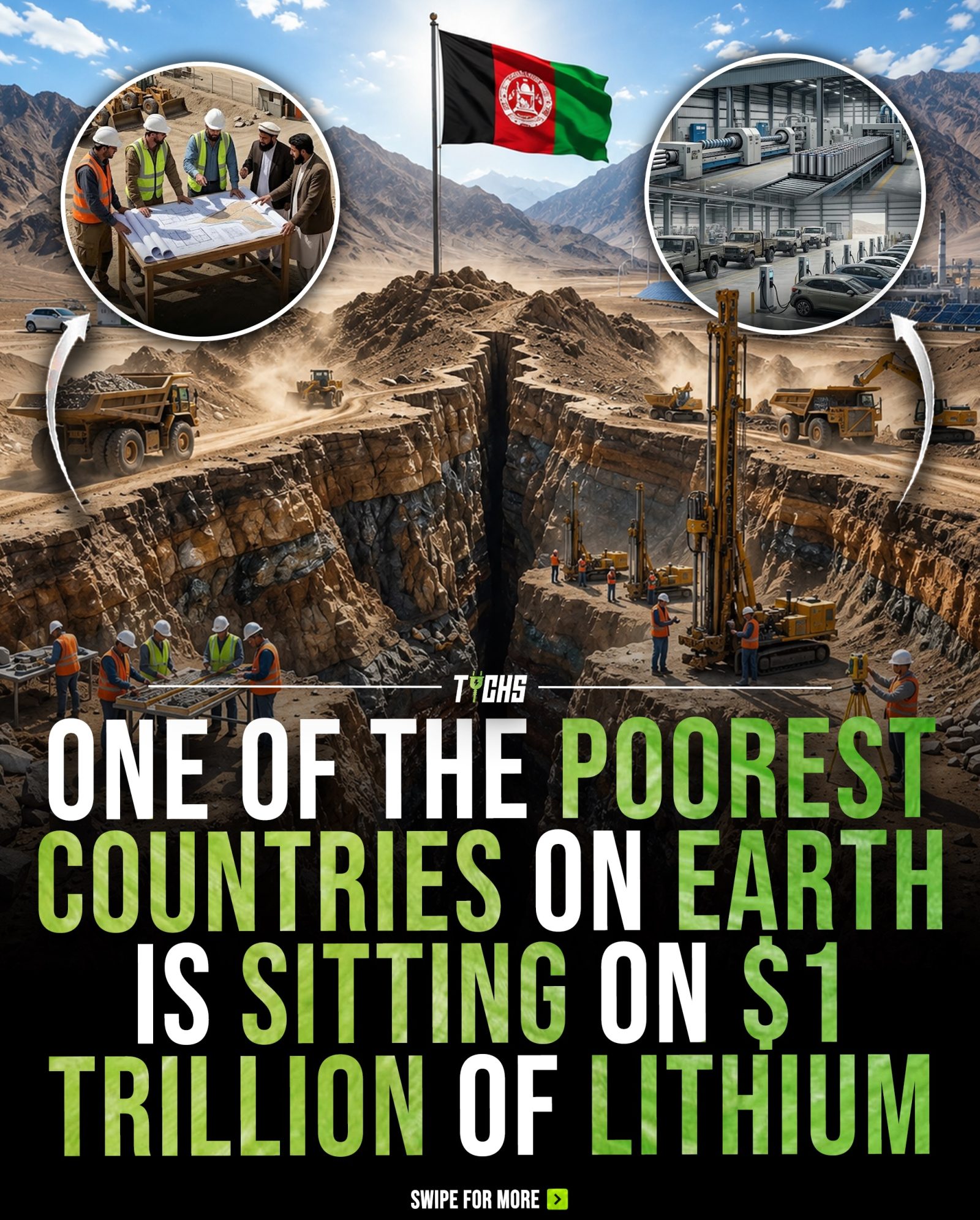
Lithium Mining in Afghanistan
Afghanistan is home to vast, largely untapped mineral resources, including lithium, copper, iron ore, gold, cobalt, and rare earth elements. These minerals are crucial for modern technologies, batteries, and renewable energy systems. Geological surveys have revealed that the country holds significant mineral wealth beneath its mountains, but extracting these resources poses substantial challenges.
Why This Matters
Global demand for electric vehicle (EV) batteries, semiconductors, and critical minerals is surging. Afghanistan's vast reserves of lithium and other minerals could position the country as a key player in global supply chains. However, realizing this potential requires addressing significant obstacles, including the need for stable infrastructure, reliable power, and secure transportation networks.
The Mineral Wealth of Afghanistan
Afghanistan is estimated to have around $1 trillion worth of lithium deposits. This makes the country one of the most mineral-rich nations on Earth, particularly in terms of lithium. Lithium is a critical component in the production of rechargeable batteries, which are essential for electric vehicles, smartphones, and renewable energy storage systems.
Copper Deposits and Archaeological Sites
In addition to lithium, Afghanistan holds substantial copper deposits, estimated at around 40 million tons. These deposits are often located beneath ancient archaeological sites, adding a layer of complexity to mining operations. The presence of copper, along with other minerals like iron ore, gold, cobalt, and rare earth elements, underscores the country's vast mineral potential.
Infrastructure Challenges
One of the primary obstacles to large-scale mining in Afghanistan is the lack of adequate infrastructure. Mining operations require roads, railways, and a reliable power supply. The country's limited infrastructure poses significant challenges to both mining and processing these valuable resources. Without robust infrastructure, it is difficult to transport minerals to processing facilities or to markets.
Security and Stability
Security is another critical factor. Large-scale mining operations need long-term investment and a stable security environment. The political instability and ongoing conflicts in Afghanistan have made it challenging to attract the necessary investments and ensure the safety of mining operations.
The Role of TCHS
TCHS, a key player in the global mining industry, has highlighted the potential of Afghanistan's mineral resources. The company emphasizes the untapped wealth and the need for investment and infrastructure development to harness these resources effectively. TCHS's involvement underscores the global interest in Afghanistan's mineral potential and the recognition of its importance in the global supply chain.
Future Prospects
Despite the challenges, Afghanistan's mineral wealth presents a significant opportunity. With the right investments and development, the country could become a major supplier of critical minerals. This could not only boost the Afghan economy but also contribute to global efforts in renewable energy and technological advancements.
Practical Tips for Investing in Afghanistan's Mining Sector
For those considering investment in Afghanistan's mining sector, several practical tips can help navigate the complexities:
-
Conduct Thorough Due Diligence: Understand the geopolitical risks and the specific requirements for mining in the region. This includes assessing the security situation and the regulatory framework.
-
Invest in Infrastructure: Partner with local and international bodies to invest in the development of roads, railways, and power infrastructure. This will facilitate the extraction and transportation of minerals.
-
Engage with Local Communities: Building strong relationships with local communities and stakeholders can help ensure social and environmental sustainability. This includes respecting archaeological sites and minimizing environmental impact.
-
Develop Long-Term Strategies: Large-scale mining operations require long-term planning and investment. Develop strategies that can withstand the challenges and fluctuations in the region.
-
Collaborate with International Partners: Partnering with international organizations and companies can bring in the necessary expertise, technology, and investment. This collaboration can also help in navigating the complex regulatory and security environment.
Important Takeaways
Afghanistan's mineral wealth, particularly its vast lithium and copper deposits, presents a significant opportunity for global supply chains. However, realizing this potential requires addressing infrastructure and security challenges. The involvement of key players like TCHS underscores the global interest in Afghanistan's resources and the need for strategic investments and partnerships.
Conclusion
Afghanistan's untapped mineral resources, including lithium and copper, hold enormous potential for global supply chains. While challenges such as infrastructure and security pose significant hurdles, the country's vast reserves and strategic global interest make it a promising sector for investment. By addressing these challenges and fostering strategic partnerships, Afghanistan could position itself as a key player in the global mining industry, contributing to technological advancements and renewable energy efforts.
Watch the Reel
Questions readers ask
What makes Afghanistan's lithium and copper reserves significant for the global market?
Afghanistan's lithium and copper reserves are significant due to the global surge in demand for electric vehicle (EV) batteries, semiconductors, and other technologies. These minerals are crucial for modern technologies and renewable energy systems, making Afghanistan a potential key player in global supply chains.
What other minerals are found alongside lithium and copper in Afghanistan?
Besides lithium and copper, Afghanistan is rich in iron ore, gold, cobalt, and rare earth elements. These minerals are also vital for various industries, including technology and renewable energy.
What challenges does Afghanistan face in tapping into its mineral wealth?
Afghanistan faces several challenges in extracting its mineral wealth, including the need for stable infrastructure, technological advancements, and ensuring operational security. These challenges are substantial and require a lot of resources to overcome.
How do geological surveys contribute to understanding Afghanistan's mineral potential?
Geological surveys have been instrumental in revealing the vast mineral wealth beneath Afghanistan's mountains. These surveys provide data on the quantity and quality of minerals, helping to identify the most promising areas for mining and resource extraction.
What role could Afghanistan play in the global supply chain if it develops its mineral resources?
If Afghanistan successfully develops its mineral resources, it could become a global supply chain leader. By providing essential minerals like lithium and copper, the country could meet the rising demand for technologies and renewable energy systems worldwide.
Why is the extraction of minerals in Afghanistan considered highly challenging?
The extraction of minerals in Afghanistan is challenging due to the need for stable infrastructure, the harsh geological conditions, and the security situation in the region. Additionally, the country requires significant investments and technological advancements to efficiently extract and process these resources.
How might the development of Afghanistan's mineral resources benefit the local economy?
The development of Afghanistan's mineral resources could bring substantial economic benefits, including job creation, infrastructure improvements, and increased revenue. However, it is crucial to ensure that these benefits are distributed equitably and that the local communities are involved in the process.
Related deep dives
Similar reads based on topic and creator.

Recent articles
Fresh deep dives from the latest Reels we unpacked.




Comments
Be the first to comment.