Bee Truck Accident: The Impact on a Texas Neighborhood
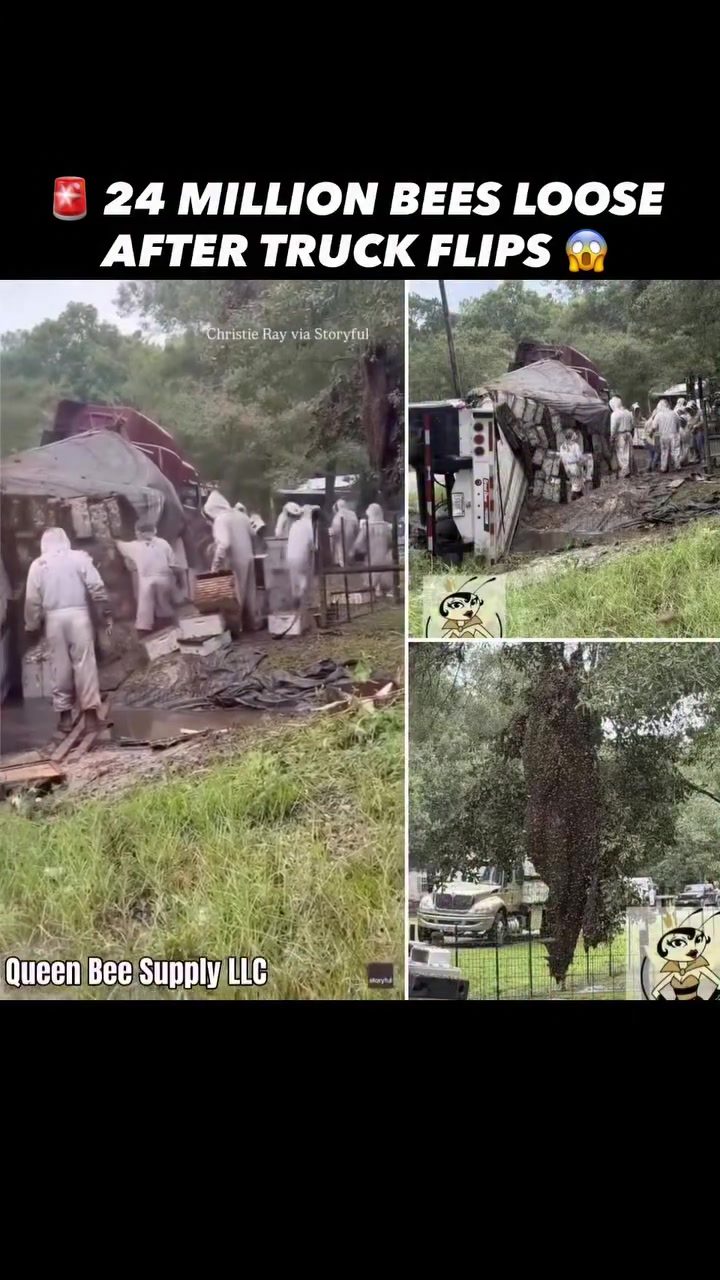
A truck carrying over 400 beehives flipped in Orange County, Texas, releasing an estimated 24 million honeybees into a residential area. The incident highlights the logistical challenges and potential hazards of transporting large numbers of bees.
Why This Matters
When transporting large quantities of bees, logistics and safety measures are crucial. The accident in Orange County, Texas, serves as a stark reminder. The incident not only disrupted the neighborhood but also raised questions about how such accidents should be managed. Bees play a vital role in our ecosystem, and their abrupt release into a suburban environment can have significant consequences for both wildlife and humans.
The Accident and Its Aftermath
The Incident
An 18-wheeler, en route to North Dakota, made a wrong turn and flipped, spilling its cargo of 400+ beehives in a residential area of Orange County, Texas. The truck was carrying an estimated 24 million honeybees, a number that dwarfs what most people would usually encounter and can overwhelm the local ecosystem.
Immediate Response
Authorities quickly responded by locking down the neighborhood and advising residents to stay indoors with their windows sealed. This immediate action was critical to prevent widespread panic and potential injuries. The presence of people in protective gear attempting to contain the situation underscores the severity of the incident.
The impact was significant. The video commentary notes the extensive swarming of bees, with estimates that only around 25% of the hives will likely survive. This means that millions of bees were released into the environment.
The Challenges of Containing the Bees
Containing millions of bees after a truck accident is a formidable task. As seen in the video, bees swarmed in various places, including trees and fences. Containment efforts required significant manpower and specialized equipment. Protective gear was essential for the safety of those involved in the cleanup. Individuals like Mr. Richard played a crucial role, assisting in the attempt to capture and relocate as many bees as possible.
Environmental Impact
The release of such a large number of bees into a suburban environment can have far-reaching effects. While bees are essential for pollination, an influx of this magnitude can disrupt local ecosystems. It can also lead to increased stings and allergic reactions, especially for residents and pets in the affected area.
Practical Tips for Bee Accidents
While rare, bee truck accidents do occur, and preparedness is key. Here are some practical tips for responding to such incidents:
For Residents
- Stay Indoors: Seal all windows and doors to prevent bees from entering your home.
- Avoid the Area: Stay away from the accident site and avoid areas where bees are swarming.
- Seek Medical Help: If stung, seek medical attention immediately, especially if you experience severe allergic reactions.
For Emergency Responders
- Protective Gear: Ensure that all personnel have appropriate protective gear, including bee suits and gloves.
- Specialized Equipment: Use specialized equipment designed for bee containment and relocation.
- Coordination: Coordinate with local beekeepers and wildlife authorities to manage the situation effectively.
For Drivers
- Route Planning: Be cautious when planning routes for transporting bees, especially through residential areas.
- Regular Inspections: Conduct regular inspections of the truck and beehives to prevent accidents.
- Avoid Distractions: Stay alert and avoid distractions while driving to minimize the risk of accidents.
Important Takeaways
The Orange County, Texas, truck accident serves as a critical reminder about the complexities of transporting large numbers of bees. Some important lessons learned include:
- Logistics and Safety: Proper logistics and safety measures are essential when transporting bees.
- Community Preparedness: Local communities should be prepared for such events, with clear protocols for containment and response.
- Environmental Impact: The environmental impact of bee releases can be significant, affecting both wildlife and human populations.
Conclusion
The freak accident of a truck carrying bees in a Texas neighborhood has shown the logistical challenges and potential hazards of transporting large quantities of bees. The incident underscores the need for better planning, improved safety measures, and community preparedness. Understanding the environmental impact and the steps needed to contain such an event is crucial for minimizing future risks. By learning from incidents, we can improve our response to similar situations and better protect both our communities and the valuable ecosystem services provided by bees.
Watch the Reel
Questions readers ask
What should residents do if they encounter a large number of bees in their neighborhood?
If you encounter a large number of bees, it's important to stay calm and avoid swatting or disturbing them. Bees are generally not aggressive unless provoked. If possible, move indoors and contact local authorities or pest control services for assistance. They can provide guidance and ensure the bees are managed safely.
How does the release of 24 million bees affect the local ecosystem?
The release of such a large number of bees can disrupt the local ecosystem by competing with native bee species for resources. The sudden increase in population may also lead to over-pollination of certain plants, affecting the natural balance. Additionally, the presence of so many bees could potentially cause localized infestations or allergic reactions in residents sensitive to bee stings.
What safety measures are typically in place for transporting bees?
Bee transporters typically use specialized hives and trucks designed to minimize the risk of accidents. These vehicles are equipped with secure compartments and ventilation systems to maintain the bees' health during transit. Drivers are also trained in handling unexpected situations, and regulations often require protective clothing and emergency protocols.
What are the potential risks to humans from a large bee spillage?
The primary risks to humans include allergic reactions and the potential for multiple stings, which can be dangerous or even life-threatening for those with severe allergies. Panic and fear can also lead to injuries, as people might try to flee or swat at the bees, increasing the likelihood of stings. Public health authorities should be notified to manage the situation properly.
How can residents help mitigate the impact of a bee spillage in their neighborhood?
Residents can assist by staying indoors and keeping pets inside to minimize the risk of stings. It's crucial to avoid attempting to handle or capture the bees yourself. Instead, report the incident to local authorities, who can coordinate with beekeepers and pest control experts to safely relocate or manage the bee population.
What are the logistical challenges in transporting large numbers of bees?
Transporting large numbers of bees involves ensuring the hives are secure, maintaining proper temperature and ventilation, and managing the bees' stress levels. Drivers must be well-trained, and routes should be planned to avoid sudden stops or bumpy roads. Additionally, proper licensing, permits, and insurance are often required, adding to the complexity of the process.
Related deep dives
Similar reads based on topic and creator.

Recent articles
Fresh deep dives from the latest Reels we unpacked.




Comments
Be the first to comment.