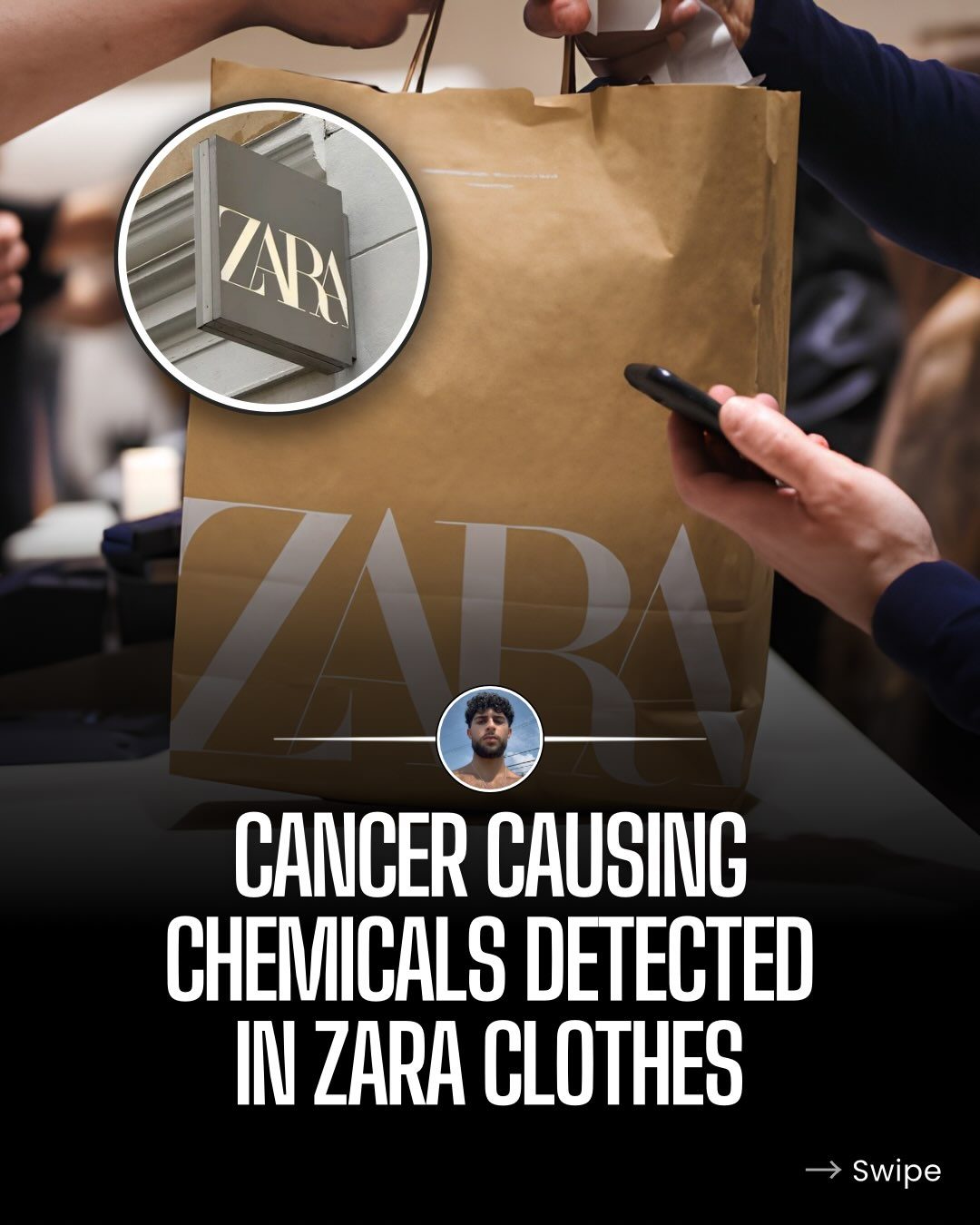
Zara Clothing Concerns
Clothing from Zara, a well-known international fast-fashion retailer, has been identified as containing concerning levels of certain chemicals, according to a report by Greenpeace. The organization tested 141 garments from 29 countries, including multiple items from Zara. The results revealed that Zara's clothing was contaminated with nonylphenol ethoxylates (NPEs) at levels up to 2,600 parts per million (ppm) and o-dianisidine, a known carcinogen.
Why This Matters
The presence of these chemicals in clothing is a significant concern for consumers and the industry as a whole. Many clothing items come into close contact with our skin, which can lead to the absorption of harmful chemicals. Understanding the potential risks and taking steps to avoid exposure is crucial for maintaining health and safety.
Main Discussion
Nonylphenol Ethoxylates (NPEs)
NPEs are a group of chemicals commonly used in the production of textiles, detergents, and other products. When these chemicals break down, they form nonylphenol (NP), an endocrine disruptor. NP can mimic estrogen in the body, potentially interfering with the hormone system. This disruption has been linked to various health issues, including infertility, early puberty, metabolic disruption, and certain cancers like breast and testicular cancer.
O-dianisidine
O-dianisidine is a chemical known for its carcinogenic properties. It has been classified as a potential human carcinogen by the International Agency for Research on Cancer (IARC). The presence of this chemical in children’s clothing is particularly alarming, as children are more vulnerable to the effects of potential carcinogens.
The Greenpeace Report
The report from Greenpeace highlighted the widespread issue of chemical contamination in the fashion industry. The organization tested clothing from multiple major brands, not just Zara. Their findings underscored the need for greater transparency and stricter regulations in the industry to ensure the safety of consumers.
Zara's Response
After the Greenpeace report, Zara took steps to address the issue by implementing a "Clear to Wear" program. This program mandates that suppliers follow strict guidelines to limit the presence of NPEs to a maximum of 100 ppm. This initiative represents a positive step toward improving the safety of their products, though ongoing vigilance and testing are necessary to ensure compliance.
Chemical Regulation in Fashion
The fashion industry has come under increased scrutiny for the use of harmful chemicals in clothing manufacturing. Governments and advocacy groups are pushing for stricter regulations to protect consumers. One notable example is the European Union's Restoration of Natural Area (RNA), which aims to reduce the use of hazardous chemicals in textiles. Compliance with such regulations can help prevent health risks associated with chemical contaminants.
Practical Tips
How to Protect Yourself
There are several steps consumers can take to minimize exposure to harmful chemicals in clothing:
- Choose Brands Transparent About Their Supply Chain: Opt for brands that are transparent about their manufacturing processes and chemical use.
- Look for Certifications: Certifications like the OEKO-TEX Standard 100 ensure that textiles are tested for harmful substances.
- Wash New Clothing: Before wearing new clothes, wash them to remove any chemicals that may have been used in manufacturing.
- Select Natural Fibers: Choose clothing made from natural fibers like organic cotton, which are less likely to contain harmful chemicals.
Supporting Sustainable Fashion
Supporting sustainable fashion brands that prioritize chemical safety and ethical manufacturing practices can also make a significant difference. Brands that follow strict environmental and health standards are more likely to produce clothing free from harmful contaminants.
Important Takeaways
The discovery of NPEs and o-dianisidine in Zara clothing highlights the broader issue of chemical contamination in the fashion industry. It underscores the need for greater transparency, stricter regulations, and consumer awareness. By taking proactive steps, consumers can reduce their exposure to harmful chemicals and support sustainable and safe fashion practices.
Conclusion
When choosing clothing, it's crucial to be mindful of potential chemical contaminants. Understanding the risks associated with NPEs and o-dianisidine, and taking steps to minimize exposure, can help protect your health. Supporting brands that prioritize safety and sustainability is an important part of this effort.
Watch the Reel
Questions readers ask
What specific chemicals were found in Zara clothing according to Greenpeace's report?
Greenpeace's report identified nonylphenol ethoxylates (NPEs) and o-dianisidine as contaminants in Zara clothing. The levels of NPEs reached up to 2,600 parts per million, while o-dianisidine is a known carcinogen.
How can chemicals in clothing affect consumers?
Chemicals in clothing can pose a risk to consumers because they can be absorbed through the skin. This is particularly concerning for fast-fashion brands like Zara, where clothing is designed to have close contact with the skin.
What actions can consumers take to protect themselves from harmful chemicals in clothing?
Consumers can take several steps to reduce their exposure to harmful chemicals, such as choosing brands that prioritize sustainability and chemical safety. Washing new clothes before wearing them and opting for fabrics that are less likely to contain chemicals can also help.
What is the significance of Greenpeace's findings on Zara clothing?
Greenpeace's report highlights the need for increased transparency and safety measures in the fast-fashion industry. By revealing the presence of harmful chemicals in Zara's clothing, the report raises awareness about the potential health risks and encourages consumers to make more informed purchasing decisions.
Why did Greenpeace choose to test Zara clothing for chemicals?
As a prominent fast-fashion brand, Zara serves a large and diverse customer base, making it a significant player in the industry. Testing Zara's clothing allows Greenpeace to draw attention to the broader issue of chemical contamination in fast fashion and advocate for industry-wide change.
What are nonylphenol ethoxylates (NPEs) and why are they concerning?
NPEs are a group of chemicals often used in the textile industry for various processes. They are concerning because they can break down into nonylphenol, a toxin that is harmful to aquatic life and has been linked to hormonal disruptions in humans.
What steps can I take to ensure the safety of the clothing I buy?
To ensure the safety of your clothing, look for brands that are transparent about their manufacturing processes and chemical use. Opt for certifications like OEKO-TEX and GOTS, which indicate that the clothing has been tested for harmful substances. Additionally, supporting sustainable and ethical fashion brands can help promote safer practices in the industry.
Related deep dives
Similar reads based on topic and creator.




Recent articles
Fresh deep dives from the latest Reels we unpacked.




Comments
Be the first to comment.