Wildlife Photography Through a Telescope Lense
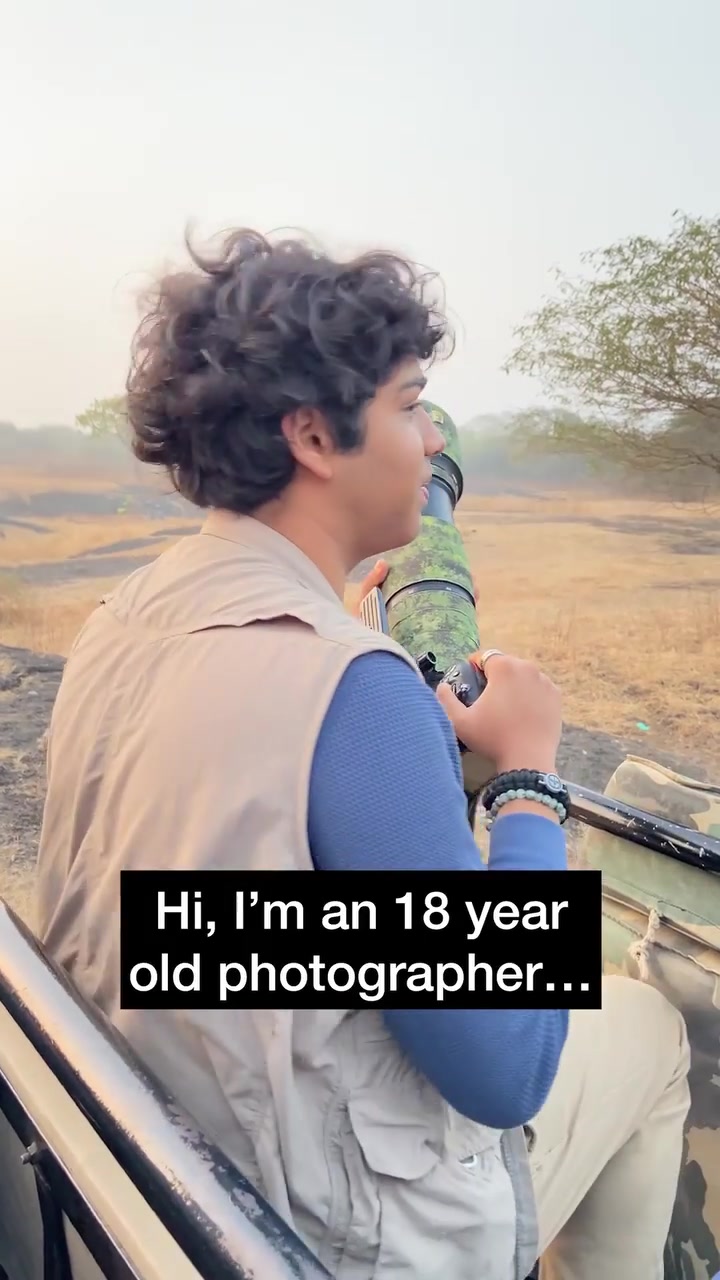
An 18-year-old photographer. A telescope. A lion caught relaxing in its native habitat with a yawning silhouette. This teenager represents the forward-thrust of wildlife photography, proving what an individual with a camera and a knack for patience can accomplish in a short time. Wildlife photographers capture the natural world in marvellous detail, often deploying equipment designed to enhance precision. This particular piece of gear — a telescope — is uniquely suited for wildlife photography.
A Window on the Wild
Technology has been a boon to wildlife photography. The telescope is a versatile tool that allows photographers to capture images of distant subjects with high clarity. When applied in wildlife photography, telescopes allow for close-up images of animals that are hard to approach. Wild animals are often elusive, making them difficult to study or photograph. The telescope eliminates the need for a close approach, avoiding the risk of startling or disturbing wildlife. The camera can be mounted on a telescope, enabling photographers to snap exact pictures of wildlife from a distance. Wildlife photography has become increasingly popular, driven by advances in camera and lens technologies. Traditional lenses are often limited in their ability to capture faraway subjects in wildlife photography. This is a common problem for wildlife photographers who want to capture the intimate details of an animal’s life. A telescope offers a solution with its superior zoom capabilities. This allows wildlife photographers to capture the beauty of animals in their natural habitats without disrupting the environment.
The Gear: Telescopes as Photographic Tools
Telescopes are primarily designed for astronomical observations, but they also have applications in the world of wildlife photography. A telescope and a camera can be combined through the use of a special adapter, enabling the camera to capture images through the telescope. A telescope allows for immense zoom, providing wildlife photographers with a closer view of their subjects. From a distance, a telescope can capture detailed images, making it a valuable tool in wildlife photography. The telescope enhances the photographer's ability to observe and record the natural beauty of the environment. Telescopes are extremely popular among amateurs and enthusiasts to capture beautiful images of Mars, the moon, and even distant stars.
A Remote Connection
Incorporating telescopes into wildlife photography enriches the experience of both the photographer and the viewer. The tool captures the subtle nuances and natural behaviors of wildlife. Wildlife photography relies on capturing the essence of an animal’s life and behavior. A telescope’s zoom capabilities enable photographers to capture intricate details, such as a lion’s yawning stretch as it restlessly gazes around. The use of telescopes in wildlife photography has opened new doors to the world of nature photography. The approach allows animal lovers to see animals in their natural habitats, offering a new perspective on their behavior. A telescope enables photographers to capture stunning images of wildlife from a safe distance, ensuring the animals are not disturbed, while providing viewers with a unique visual experience.
Telephoto Lenses vs. Telescopes
When comparing telephoto lenses to telescopes for wildlife photography, there are distinct advantages and disadvantages to each. Telephoto lenses are typically more versatile and portable, making them easier to use in a variety of environments. However, they can be bulky and difficult to handle for long periods, especially with extended zoom settings. They can also be costly depending on the specifications. Telescopes, on the other hand, offer superior zoom capabilities. Telescopes are a specialised tool designed for long-distance viewing, making them a better choice for capturing distant subjects. Photographers must balance the need for portability and ease of use with the ability to capture detailed images.
Finding the Perfect Subject
When it comes to choosing a subject for wildlife photography, several factors come into play. The subject’s accessibility, behavior, and natural habitat are all crucial. Lenses are the tool of choice for unexpected or fast-moving subjects, while telescopes are ideal for capturing clear, detailed images from a distance. Choosing the right environment and technique requires understanding the behavior of the subject. Patients, patience, and timing are also important factors in wildlife photography. Capturing an animal in its natural habitat can be challenging. It’s essential to choose a subject that is safe to approach and avoid disturbing the animal, and to choose a landscape that complements the subject. The perfect subject for wildlife photography should be one that can be observed from a distance.
For Ambassadors of Nature
Those who want to capture the untamed beauty of the wild might consider starting with the right equipment. A telescope is a perfect tool to get started in wildlife photography. Here is how:
- Budgeting: This can be one of the most significant barriers to breaking into wildlife photography. Telescopes may come at a higher price point, but this can be offset by the versatility of the equipment. Consider renting or purchasing a used telescope for a smaller initial investment. Alternatively, start with a telephoto lens and build up from there.
- Quick Research: Wildlife photography requires a deep understanding of the subject’s environment. Choosing locations and subjects that are easily accessible and safe to approach can improve the chances of capturing a perfect shot.
- Observation: Animals are unpredictable and often timid. Observing the animal’s behavior and understanding its routine can help in capturing the best moment.
- Patience and Positioning: Wildlife photography demands patience. Finding the perfect position to capture an image without disturbing the animal is crucial. Wildlife photographers play a crucial role in documenting and raising awareness about the natural world. They help us see the natural beauty of animals in their native habitat from the comfort of a screen. Through wildlife photography, people can appreciate the beauty and diversity of wildlife and be aware of the critical role wildlife photography plays in conservation.
Watch the Reel
Questions readers ask
What kind of telescope does the photographer use for wildlife photography?
The article does not specify the exact type of telescope used by the 18-year-old photographer. However, it mentions that telescopes designed for astronomical observations can be adapted for wildlife photography with the help of a special adapter. This allows the camera to capture images through the telescope, providing immense zoom capabilities for detailed shots.
How does using a telescope change the wildlife photography experience?
Using a telescope in wildlife photography allows for a non-intrusive approach. Photographers can capture detailed images of animals from a distance, avoiding the risk of disturbing or startling wildlife. This method enriches the experience by providing a closer, more intimate view of the animals' natural behaviors and habitats.
Can any telescope be used for wildlife photography, or are there specific requirements?
While the article does not detail specific requirements, it implies that telescopes designed for astronomical observations can be adapted for wildlife photography. The key is using a special adapter to mount the camera onto the telescope, enabling clear and detailed images from a distance.
How does a telescope help in capturing detailed images of wildlife?
Telescopes offer superior zoom capabilities compared to traditional lenses, allowing photographers to capture intricate details of wildlife from a distance. This is particularly useful for elusive animals that are difficult to approach, as it minimizes disturbance to their natural behaviors.
Related deep dives
Similar reads based on topic and creator.

Recent articles
Fresh deep dives from the latest Reels we unpacked.


Comments
Be the first to comment.