The Power of Digital Reconstructions in Reporting Natural Disasters
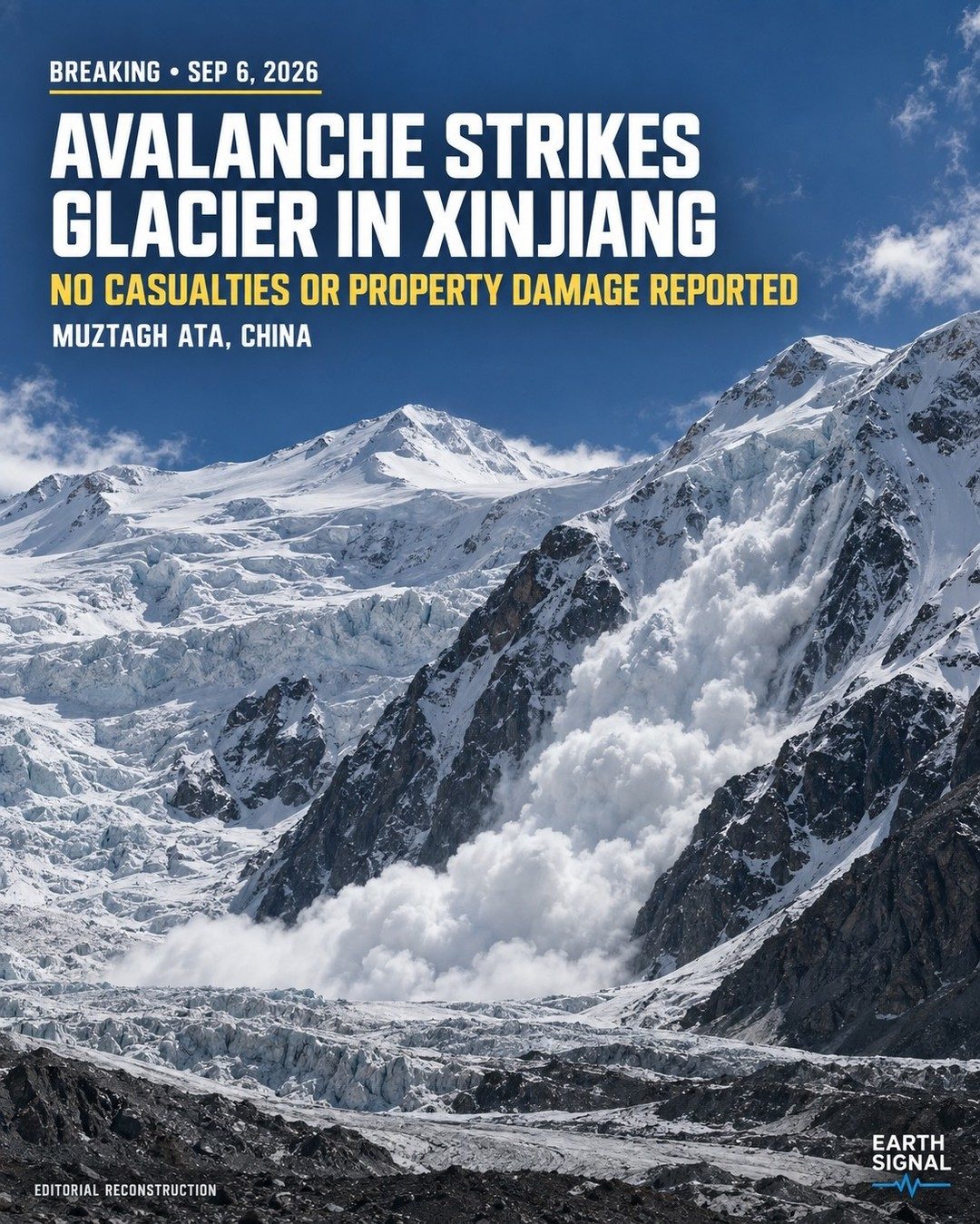
In the realm of natural disaster reporting, the line between reality and simulation is increasingly blurred, and this is evident in the way an avalanche in Xinjiang, China, was presented. The event, which struck a glacier near Mount Murtagh Ata in Xijiang on September 6, 2026, was a striking and powerful demonstration of an avalanche and the skills of digital reconstruction artists. The images conveyed a sense of urgency and drama, allowing viewers to grasp the magnitude of the event without actually witnessing it. The ability to recreate disasters with such precision is crucial, especially in cases where safety concerns prevent on-site reporting. This event, therefore, serves as a testament to the potential of digital technology in journalistic ventures. The power of the visual image is made even more compelling by our brains' inherent fascination with things that are dramatic and unexpected. The dramatic image of the avalanche doesn't just inform; it immerses. The viewer is pulled into the scene, experiencing the raw power of nature.
The Limits of Simulation in Real-Time Reporting
The dramatic image of the avalanche, however, spawns a deeper philosophical question: when is a reconstruction appropriate? There are no casualities or property damage to convey in the context of a dramatic image. While the picture may cause fear and awe, it comes without any real consequences. The information on casualities or the impact to property is not present, the viewer is left to wonder about the rest of the story. In this case, the line between real-time reporting and digital enhancement is thin, blurring the line between truth and art. While digital reconstructions can provide a closer approximation of reality, their use in news reporting demands ethical considerations. The digital recreation of the avalanche makes the event accessible with more immediacy. To viewers, no detail of the avalanche is out of place. While this reconstructive realism may have enabled a certain level of global access to experience an event first-hand, to also fully comprehend the situation, there is an inevitable reminder that the news consumers are in fact observing a simulation and not the real thing.
Technology and Journalism: A Summation
This reconstructed avalanche — a simulation — may revolutionize the way we consume environmental news. These images are being generated and released in a manner that would have been impossible in the past. More than seeing the event, they are shaping a type of environmental journalism that may become more and more prevalent in the future. Reconstruction may change the way we think about nature in news. The simulation brings a natural disaster closer to us, making it easier to visualize the impact. At the same time, it requires viewers to actively distinguish between what is real and what is not. However, the ethical dilemma is clear: the ability to reconstruct natural disasters digitally means that if viewers are not informed that they are seeing a simulation, they may not leave the experience with an accurate understanding of the event.
The Audience and the Avalanche
Viewers may experience these reconstructions as a test of our trust in media. The reconstructed image of the avalanche asked viewers to trust that the avalanche simulated was accurate. And they did. This trust may soon become a norm as more natural disasters may be simulated. For viewers, technology is becoming increasingly important. It may not always be obvious, but the need to distinguish between what is real and what is simulated is a skill that has become increasingly vital to communicate effectively. To media audiences, the distinction between reality and simulation becomes especially important as more and more events are reconstructed digitally.
Watch the Reel
Related deep dives
Similar reads based on topic and creator.

Recent articles
Fresh deep dives from the latest Reels we unpacked.
Comments
Be the first to comment.