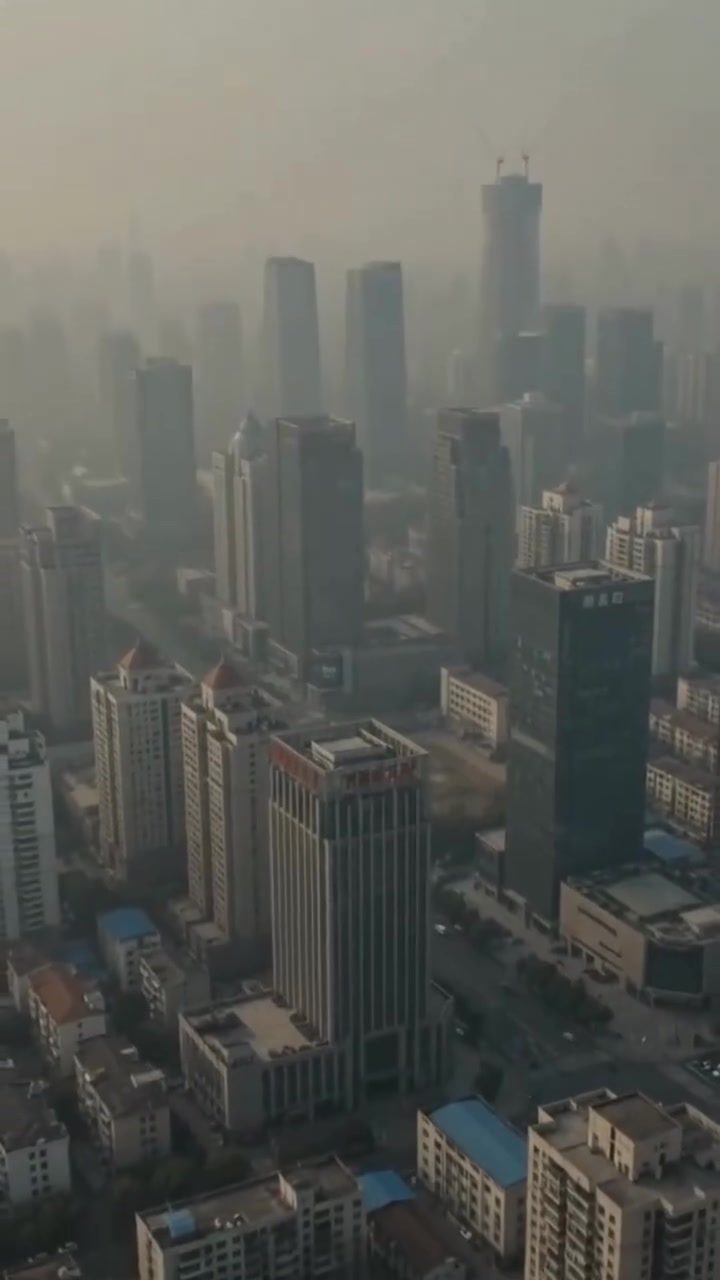
Cityscape in Haze: Xi'an's Air Purification Tower
In the heart of Xi'an, a city often shrouded in smog, stands a remarkable symbol of innovation—an outdoor air purification tower. This 100-meter (328-foot) structure is part of an experimental project designed to combat urban air pollution.
Why This Matters
Urban air pollution is a growing concern worldwide, with cities grappling to find effective solutions. Xi'an's air purification tower offers a glimmer of hope. Its design and functionality provide valuable insights into potential large-scale urban air purification systems.
Understanding the Technology
The Concept
The air purification tower in Xi'an is built to address one of the city's most pressing issues: severe air pollution. Engineers envisioned a system that could naturally filter immense volumes of polluted air, reducing harmful particulate matter and improving air quality over a wide area.
The Design
The tower operates through a natural cycle of air filtration. Giant greenhouses surround the base, drawing in polluted air. The air is then heated by the sun, causing it to rise naturally through the tower. As it ascends, the air passes through multiple filtration layers, trapping harmful particles before the cleaned air is released back into the atmosphere. This process is both energy-efficient and effective, making it a promising solution for densely populated urban areas.
The Scale
The implications of this technology are staggering. The tower is capable of filtering over 10 million cubic meters of air daily. This massive capacity translates to significant reductions in PM2.5 fine particles, a type of air pollution closely linked to heart disease, stroke, and respiratory illnesses. Monitoring stations have recorded noticeable air quality improvements over an area of approximately 10 square kilometers (3.9 square miles) during testing, demonstrating the tower's potential to make a substantial difference in urban environments.
Important Features
Natural Filtration
The use of natural processes in this tower is a standout feature. By harnessing solar energy and natural air currents, the system avoids the need for excessive mechanical power, making it both environmentally friendly and cost-effective. This approach could inspire similar projects in other cities, helping to reduce reliance on energy-intensive air purification methods.
Health Benefits
The reduction of PM2.5 particles is a critical goal for any air pollution mitigation effort. These tiny particles can penetrate deep into the lungs and even enter the bloodstream, causing serious health issues. By significantly lowering PM2.5 concentrations, the tower contributes to a healthier urban environment, potentially reducing the incidence of respiratory and cardiovascular diseases.
Environmental Impact
Beyond health benefits, the tower's design minimizes its environmental footprint. By leveraging natural processes, it reduces the need for additional energy sources, making it a sustainable solution in the fight against air pollution. Its effectiveness in a densely populated area like Xi'an could serve as a model for other cities looking to implement large-scale air purification systems.
Practical Tips for Urban Air Quality Management
While the tower in Xi'an represents a significant advancement, addressing urban air pollution requires a multifaceted approach. Here are some practical tips for urban planners and residents to improve air quality in their cities:
Support Green Infrastructure
Incorporating more green spaces and vegetation can help to naturally filter the air. Trees, plants, and green roofs can absorb pollutants, reduce heat island effects, and improve overall air quality.
Promote Clean Energy
Transitioning to clean energy sources like solar, wind, and hydroelectric power can reduce emissions from power plants and industries. This shift is essential for long-term air quality improvement.
Encourage Public Transportation
Reducing the number of private vehicles on the road can significantly lower emissions. Promoting public transportation, cycling, and walking can help to alleviate traffic congestion and improve air quality.
Implement Strict Emission Standards
Regulating industrial and vehicular emissions through stringent standards ensures that pollutant levels are kept in check. Regular monitoring and enforcement of these standards are crucial for maintaining clean air.
Adopt Air Purification Technologies
Incorporating air purification systems like the tower in Xi'an can provide immediate relief from air pollution. These systems can be integrated into urban planning to create healthier living environments.
Important Takeaways
Innovation in Urban Planning
The air purification tower in Xi'an exemplifies how innovative engineering can tackle complex urban issues. It serves as a proof-of-concept, demonstrating the feasibility of large-scale air purification systems in densely populated areas.
Holistic Approaches to Air Pollution
While technological solutions are vital, they must be part of a broader strategy. Urban planners should consider a combination of green infrastructure, renewable energy, and strict emission standards to effectively combat air pollution.
Conclusion
The air purification tower in Xi'an represents a groundbreaking effort in the fight against urban air pollution. By harnessing natural processes and advanced filtration technologies, it offers a sustainable and effective solution. This project serves as a valuable model for cities worldwide, highlighting the potential for large-scale air purification systems to significantly improve urban air quality.
Watch the Reel
Questions readers ask
How does Xi'an's air purification tower function?
Xi'an's air purification tower functions by drawing in polluted air from the surrounding environment. The air is then passed through multiple filters that remove harmful particles such as PM2.5, PM10, and other pollutants, before releasing the cleaned air back into the atmosphere. This process helps to reduce smog levels and improve air quality over a wide area.
What are the dimensions of the air purification tower in Xi'an?
The air purification tower in Xi'an stands at an impressive 100 meters (328 feet) tall. This height allows the tower to filter large volumes of air efficiently, covering a broad area and making a significant impact on urban air quality.
Can similar air purification towers be built in other cities?
Yes, the design and technology used in Xi'an's air purification tower can potentially be replicated in other cities. The success of this project provides a blueprint for other densely populated urban areas looking to combat smog and improve air quality through large-scale air purification systems.
How effective is the air purification tower in reducing smog?
The air purification tower in Xi'an has shown promising results in reducing smog levels within its operational range. By filtering vast amounts of air, the tower can help lower the concentration of harmful pollutants, providing cleaner air for residents and visitors in the surrounding area.
What pollutants does the air purification tower target?
The air purification tower in Xi'an is designed to target a range of pollutants, including particulate matter (PM2.5 and PM10), nitrogen oxides, sulfur dioxide, and other harmful substances commonly found in urban air pollution. By removing these pollutants, the tower helps to improve overall air quality.
What are the benefits of an outdoor air purification system like the one in Xi'an?
An outdoor air purification system offers numerous benefits, including the reduction of smog and other air pollutants, improved air quality for a wide area, and potential health benefits for residents. Additionally, such systems can provide valuable data and insights for further advancements in air purification technology.
Are there any similar air purification projects in other parts of the world?
While Xi'an's air purification tower is one of the most notable examples, there are other similar projects around the world aimed at combating urban air pollution. Some cities have implemented large-scale air purification systems or are experimenting with innovative designs to tackle smog and improve air quality in urban environments.
Related deep dives
Similar reads based on topic and creator.




Recent articles
Fresh deep dives from the latest Reels we unpacked.


Comments
Be the first to comment.