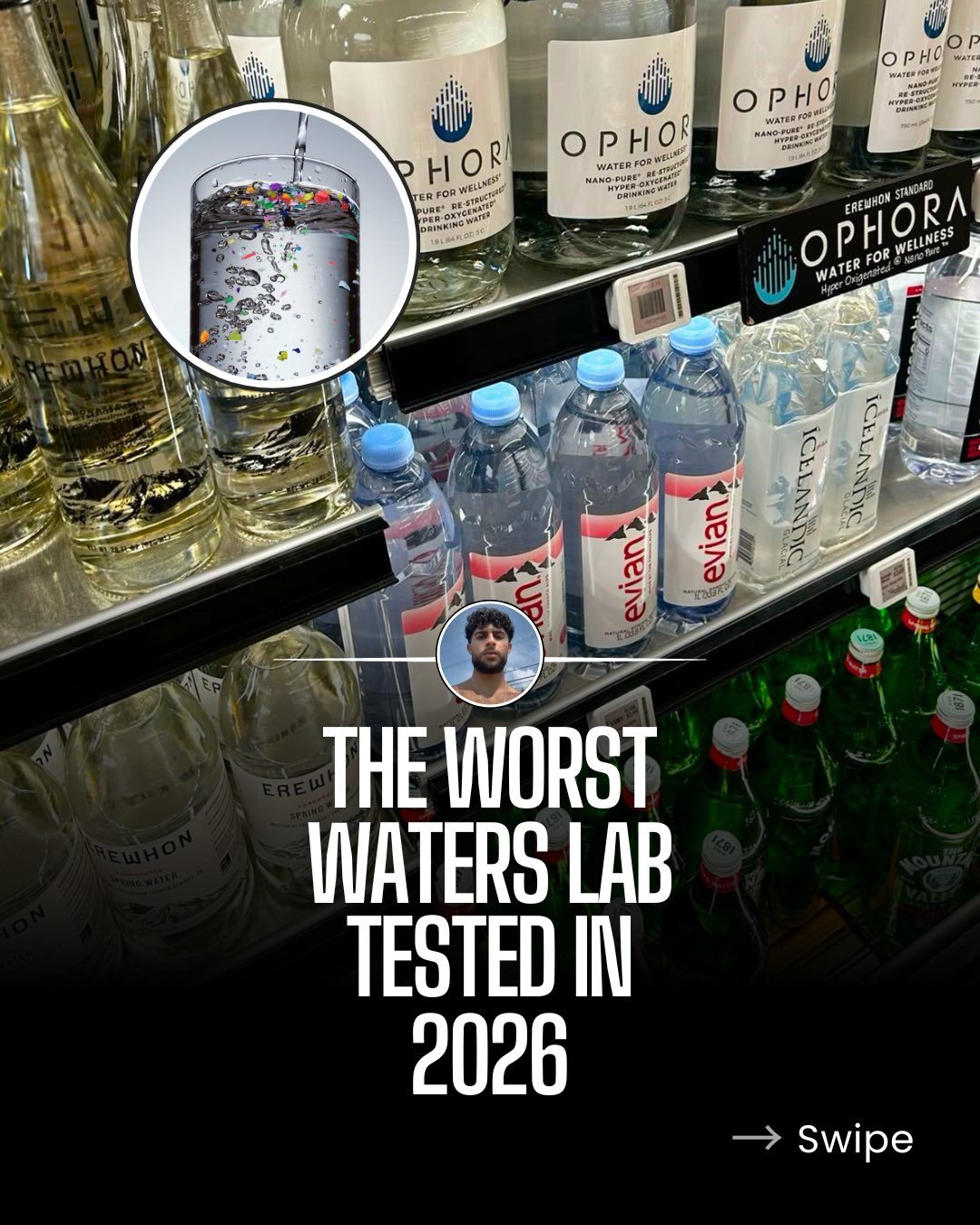
Bottled Water Quality Concerns in 2026
Bottled water is a staple in many households, but recent findings indicate that some brands may not be as pure as consumers expect. PFAs, or per- and polyfluoroalkyl substances, have been identified as a common chemical in many bottled waters. PFAs are a group of man-made chemicals that include PFOA, PFOS, GenX, and others. They are often used to make everyday products resistant to water, grease, or stains. These chemicals can be harmful to human health and the environment. PFAs have been linked to various health issues, including increased cholesterol levels, changes in hormone levels, immune effects, and increased risk of certain cancers.
Why This Matters
The presence of PFAs in bottled water is a significant concern for several reasons. Firstly, PFAs are highly persistent in the environment and the human body. This means that once they are ingested, they can accumulate over time, leading to long-term health effects. Secondly, many bottled water brands use plastic packaging, which can leach chemicals like PFAs into the water. This is particularly problematic because plastic is a common material for bottled water containers.
The future of bottled water quality is uncertain, but proactive measures can be taken to mitigate the risks associated with PFAs. One of the most effective ways to reduce exposure to PFAs is to switch to glass-bottled waters. Glass is a non-porous material that does not leach chemicals into the water, making it a safer alternative to plastic. Additionally, glass bottles can be recycled and reused, reducing their environmental impact.
Main discussion
Common Chemicals in Bottled Water
PFAs are not the only chemicals of concern in bottled water. Other contaminants, such as microplastics, have also been found in various brands. Microplastics are tiny plastic particles that can enter the water supply through various sources, including plastic packaging and environmental pollution. These particles can be ingested along with the water, potentially causing harm to human health.
Bottled Water Brands and Their Chemical Content
Several bottled water brands, including Ophora, Pure Life, Liquid Death, and Core Hydration, have been identified as containing PFAs. Here’s a closer look at some of these brands:
- Ophora: Known for its "Water for Wellness" line, Ophora has been found to contain PFAs, which are likely leaching from the plastic packaging.
- Pure Life: This brand, despite its name, has been flagged for PFA contamination. While the brand emphasizes purity, the chemical content suggests otherwise.
- Liquid Death: A popular sparkling water brand, Liquid Death has also been identified as containing PFAs. The canned packaging may contribute to the chemical leaching.
- Core Hydration: Marketed as "perfectly balanced pH+ water," Core Hydration has been found to contain PFAs, raising concerns about its purity and safety.
The Future of Bottled Water
The future of bottled water may involve stricter regulations and increased consumer awareness. In 2026, bottled water brands may face more scrutiny regarding their chemical content and packaging materials. Consumers are becoming more informed about the potential health risks associated with PFAs and microplastics, leading to a shift towards safer alternatives.
Practical Tips
To ensure that you are consuming safe and pure water, consider the following tips:
- Choose Glass-Bottled Water: Opt for glass-bottled water, which is less likely to leach chemicals into the water. Brands like Icelandic Aqua, Filette, and Hawaii Volcanic are good options.
- Check Lab Results: Look for bottled water brands that have undergone rigorous lab testing and have certified results showing the absence of harmful chemicals.
- Avoid Single-Use Plastics: Reduce your use of single-use plastic bottles, as they are more likely to leach chemicals.
- Read Labels: Pay attention to the labels on bottled water products. Look for brands that specify their water source and purification methods.
Important Takeaways
- PFAs are a significant concern in many bottled water brands, with plastic packaging being a major contributor to chemical leaching.
- Glass-bottled water is a safer alternative to plastic, as it does not leach harmful chemicals.
- Future regulations and consumer awareness may lead to stricter standards for bottled water, ensuring safer and more transparent products.
Conclusion
It is crucial to be mindful of the bottled water brands you consume, especially in the face of increasing evidence of chemical contamination. By opting for safer alternatives like glass-bottled water and being vigilant about lab testing results, consumers can make more informed choices. The future of bottled water quality is promising, with a growing emphasis on transparency and safety. By staying informed and proactive, consumers can ensure they are making the healthiest choices for themselves and their families.
Watch the Reel
Questions readers ask
What are PFAs and why are they a concern in bottled water?
PFAs, or per- and polyfluoroalkyl substances, are a group of man-made chemicals used to make products resistant to water, grease, or stains. They are a concern in bottled water because they have been linked to various health issues, including increased cholesterol levels, changes in hormone levels, immune effects, and increased risk of certain cancers. Their presence in bottled water can pose significant health risks to consumers.
Which bottled water brands are among the worst in 2026 for PFA contamination?
While specific brand names are not mentioned, the article highlights that several bottled water brands have been identified as having PFA contamination. It is recommended to check independent test results and avoid brands that have been flagged for high levels of PFAs. Glass bottled water alternatives are a recommended alternative to reduce these risks.
How does plastic packaging contribute to the problem of PFAs in bottled water?
Plastic packaging can contribute to the problem of PFAs in bottled water through leaching, where chemicals from the plastic can seep into the water, especially when the plastic is exposed to heat or over time. Additionally, the production and disposal of plastic bottles contribute to environmental pollution, exacerbating the overall issue of PFA contamination.
What are some proactive steps consumers can take to reduce their exposure to PFAs in bottled water?
Consumers can opt for glass-bottled alternatives or use glass bottled water brands that are less likely to leach chemicals into the water. They can also choose brands that have been independently tested and certified to be free of PFAs. Additionally, reducing overall plastic use and properly disposing of plastic bottles can help mitigate environmental impact.
Why is the environmental impact of bottled water a concern beyond just health risks?
The environmental impact of bottled water extends beyond health risks, as the production, use, and disposal of plastic bottles contribute to significant plastic pollution. This pollution harms marine life, ecosystems, and contributes to the persistence of PFAs in the environment. Choosing alternatives like glass bottled water can help reduce this environmental burden.
What should consumers look for in a high-quality bottled water brand in 2026?
Consumers should look for brands that have been independently tested and certified to be free of PFAs and other harmful chemicals. Opting for glass bottled water is a good alternative. Additionally, choosing brands that prioritize sustainable packaging and have transparent sourcing and production practices can help ensure a safer and more environmentally friendly product.
How can consumers stay informed about the best and worst bottled water brands in 2026?
Consumers can stay informed by regularly checking independent testing results, reviews, and comparisons from reliable sources. Keeping up with the latest news, reports and articles from trustworthy sources can help them make better decisions about the bottled water brands they choose. Regularly updating their knowledge ensures they are making informed choices to avoid unsafe products.
Related deep dives
Similar reads based on topic and creator.



Recent articles
Fresh deep dives from the latest Reels we unpacked.




Comments
Be the first to comment.