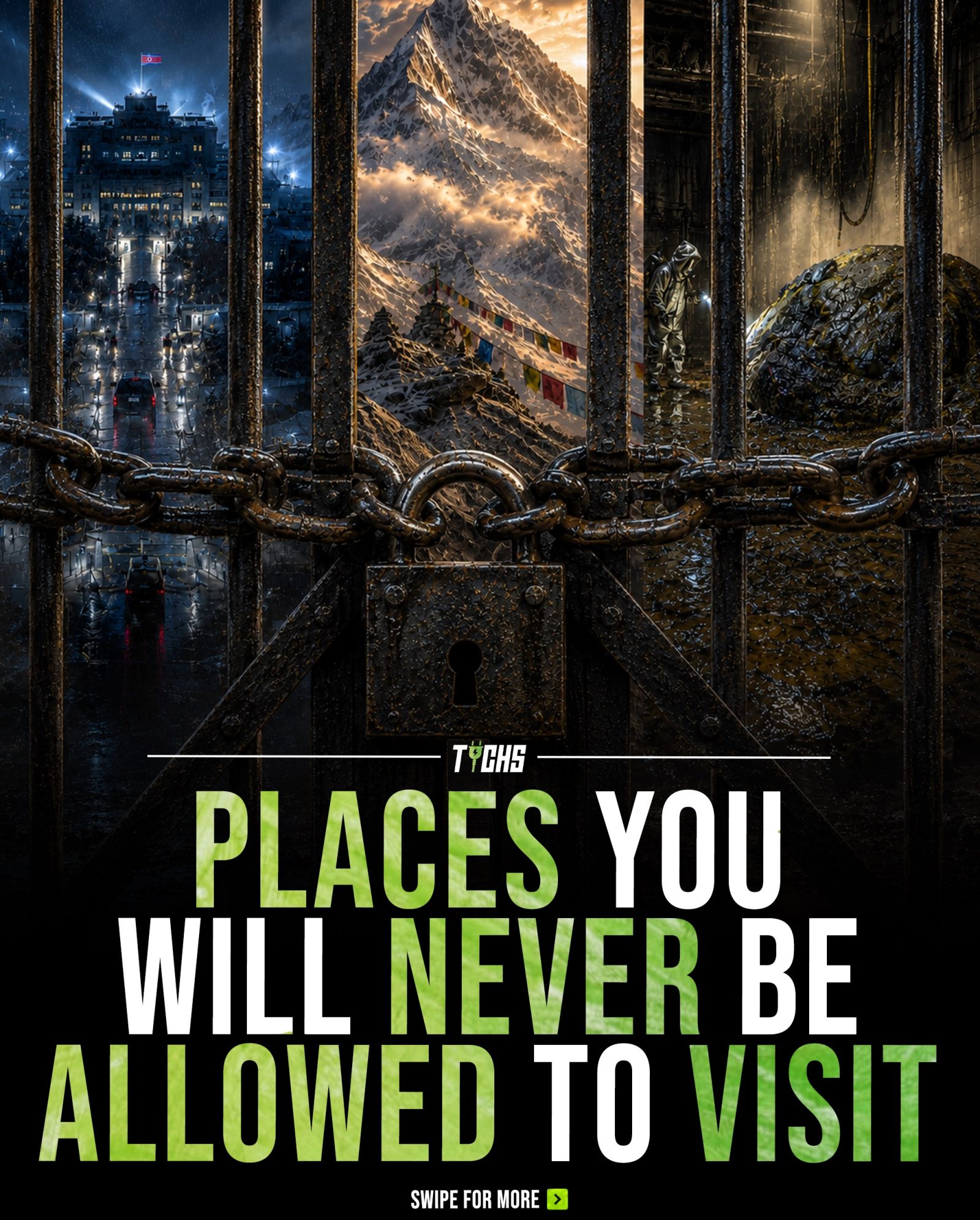
Restricted Places
Off-limits locales have always captivated the human imagination, from ancient ruins to modern-day military installations. These places remain inaccessible to the general public due to various reasons, including military secrecy, deadly environments, protected ecosystems, or deep cultural and religious significance. Exploring these destinations—virtually or through hearsay—offers a glimpse into the world's most enigmatic and restricted locations.
Context
Many of these restricted places are shrouded in mystery and intrigue. They represent areas where national security, ecological preservation, or cultural sensitivity takes precedence over public access. Whether they are connected to military operations, endangered wildlife, or sacred sites, these locations hold a unique fascination for those curious about the world's hidden corners. By understanding why these places are off-limits, we gain insight into the diverse reasons behind their restrictions and the importance of preserving them.
Military Installations and National Security
Several of these restricted areas are closely tied to national security and military operations. Notable examples include:
-
Area 51: Located in Nevada, Area 51 is a highly classified United States Air Force facility. Speculation and conspiracy theories surround this site, often linked to extraterrestrial life and top-secret military aircraft testing. The government's strict control over access ensures that its activities remain hidden from public view, heightening the mystery.
-
Cheyenne Mountain Complex: Situated in Colorado, this underground facility serves as a critical command center for the North American Aerospace Defense Command (NORAD). Designed to withstand nuclear attacks, it plays a pivotal role in monitoring and coordinating defense operations. Its fortified nature and strategic importance make it a prime target for restricted access.
-
Mount Weather Emergency Operations Center: Nestled in the Blue Ridge Mountains of Virginia, this secretive facility acts as a government contingency management center. Capable of housing key federal officials in case of a national emergency, it ensures the continuation of government operations under any circumstances. Access is strictly controlled to safeguard its operational capabilities and the safety of those involved.
Protected Ecosystems and Wildlife
Other restricted places are off-limits to protect delicate ecosystems and endangered wildlife. These areas are crucial for preserving biodiversity and maintaining ecological balance.
-
North Sentinel Island: Part of the Andaman Islands in the Bay of Bengal, North Sentinel Island is home to the Sentinelese, a tribe that has remained largely isolated from the outside world. The Indian government has imposed strict restrictions to protect the Sentinelese from potential harm and to preserve their unique way of life.
-
Snake Island: Located off the coast of Brazil, Snake Island, or Ilha da Queimada Grande, is known for its high concentration of venomous snakes, particularly the golden lancehead pit viper. The Brazilian government has restricted access to the island to prevent the potential spread of these deadly species and to protect the island's unique biodiversity.
-
Surtsey: Situated off the southern coast of Iceland, Surtsey is a volcanic island formed in the 1960s. Designated as a nature reserve, it is strictly off-limits to protect its untouched ecosystems. The island offers valuable insights into the processes of colonization and succession in its natural environment.
Mysterious Locations with Historical and Cultural Significance
Several locations intrigue visitors due to their rich history, secrecy, and cultural importance.
-
Tomb of Qin Shi Huang: Located in Xi'an, China, this renowned tomb is part of a vast mausoleum complex. The tomb's construction began during the reign of the first emperor of unified China. The burial site is renowned for its intricate terra-cotta warriors and the vast wealth that was entombed with the emperor.
-
Poveglia Island: Situated in the Venetian Lagoon, Italy, Poveglia Island holds a dark history. Once a plague quarantine station and later a psychiatric hospital, it is considered one of the most haunted places in the world. The island is now deserted, and access is heavily restricted due to its eerie reputation and the risk of structural collapse.
-
Vatican Apostolic Archive: This archive in the Vatican City houses a vast collection of historical documents and archives of the Roman Catholic Church. Only approved scholars and researchers are granted access, ensuring the preservation and protection of invaluable historical records.
-
Svalbard Global Seed Vault: Located on the Norwegian archipelago of Svalbard, this facility serves as a global repository for crop seeds. Designed to ensure the preservation of the world's agricultural diversity, it is intended to safeguard seeds in the event of a global catastrophe. Access is tightly controlled to maintain the security and integrity of the seeds stored within.
Room 39
Room 39, located in North Korea, is shrouded in secrecy. Believed to be a shadowy financial ministry, it is a crucial part of North Korea's state operations, responsible for managing the country's illicit financial activities. The exact nature of its operations and the extent of its influence remain largely unknown, adding to the mystery surrounding this high-profile location.
Practical Tips
Exploring restricted places can be a fascinating journey, even if it's only through virtual means. Here are some practical tips for delving into the world of off-limits locations:
-
Research: Begin by gathering as much information as possible. Books, documentaries, and reputable online sources can provide valuable insights into these mysterious places. Dive into historical accounts, interviews, and scientific studies to build a comprehensive understanding.
-
Virtual Tours: Many organizations and government agencies offer virtual tours or online resources for exploring restricted areas. These digital experiences provide a safe and accessible way to learn more about these enigmatic locations.
-
Consult Experts: Engage with experts in the field, such as historians, geographers, and environmental scientists. They can offer valuable perspectives and answer specific questions about these restricted places.
-
Follow Guidelines: Always adhere to local laws and regulations regarding access to restricted areas. Respect the importance of these places and the efforts to preserve them. Unauthorized access can not only endanger yourself but also compromise the integrity of the site.
Important Takeaways
-
National Security: Many restricted places are off-limits due to their role in national security and military operations. Sites like Area 51, Cheyenne Mountain Complex, and Mount Weather Emergency Operations Center play vital roles in defense and crisis management.
-
Ecosystem Protection: Areas such as North Sentinel Island, Snake Island, and Surtsey are restricted to safeguard delicate ecosystems and endangered species. Protecting these environments is crucial for maintaining biodiversity and ecological balance.
-
Cultural and Historical Significance: Locations like the Tomb of Qin Shi Huang, Poveglia Island, and the Svalbard Global Seed Vault hold immense cultural and historical significance. Their preservation ensures that valuable heritage and knowledge are safeguarded for future generations.
-
Global Importance: Some restricted places, such as the Vatican Apostolic Archive and the Svalbard Global Seed Vault, have global importance. They serve as repositories of historical records and essential biological resources, respectively.
Conclusion
Restricted places around the world hold a unique allure, capturing our imagination with their mystery and significance. Whether protected for military, ecological, or cultural reasons, these locations offer a window into the diverse and complex nature of our planet. By understanding why these places are off-limits, we gain a deeper appreciation for the efforts to preserve and protect them. Exploring these destinations—even virtually—provides a rich and rewarding journey into the unknown.
Watch the Reel
Questions readers ask
What are some examples of the most restricted places due to military secrecy?
Some of the most restricted places due to military secrecy include Area 51 in the United States, the Czech military base, and the Chinese military base. These locations are often shrouded in mystery, and their exact purposes and activities remain classified.
Why is Povegia Island considered one of the most mysterious locations in the world?
Povegia Island, located in the Mediterranean, is considered one of the most mysterious locations due to its status as an off-limits island. This island is known for its eerie reputation and restrictions on public access, which has led to numerous rumors and legends about its hidden secrets.
What makes certain ecosystems restricted access locations?
Certain ecosystems are restricted to protect endangered species, control invasive species, and preserve biodiversity. For example, the Galápagos Islands are a restricted natural wonder to protect unique wildlife. Environmental regulations and conservation efforts limit public access.
Are there any historical sites that are completely off-limits to the public?
Yes, certain historical sites are completely off-limits to the public, such as the ancient ruins of Easter Island. This is often due to the need to preserve cultural and historical integrity, or to protect delicate artifacts and structures from damage.
Why are some cultural locations restricted?
Some cultural locations are restricted due to their deep significance to indigenous communities. For instance, sacred sites in countries like Japan and India may be off-limits to the public to respect local customs and beliefs. This ensures that the cultural heritage and spiritual practices are not disrupted.
How do these restricted places maintain their secrets?
These restricted places maintain their secrets through a combination of physical barriers, limited access, and strict regulations. Military installations, for example, are often heavily guarded and inaccessible. Natural wonders and cultural sites may have restrictions on who can visit and how they can interact with the site.
Can tourists visit any of these off-limit locales legally?
While most restricted places are off-limits to the general public, some offer limited, guided tours or have specific areas open to visitors. For instance, certain parts of Area 51 can be viewed from a distance, and some historical sites may offer supervised access. However, it's crucial to respect the restrictions and not trespass.
Related deep dives
Similar reads based on topic and creator.




Recent articles
Fresh deep dives from the latest Reels we unpacked.



Comments
Be the first to comment.