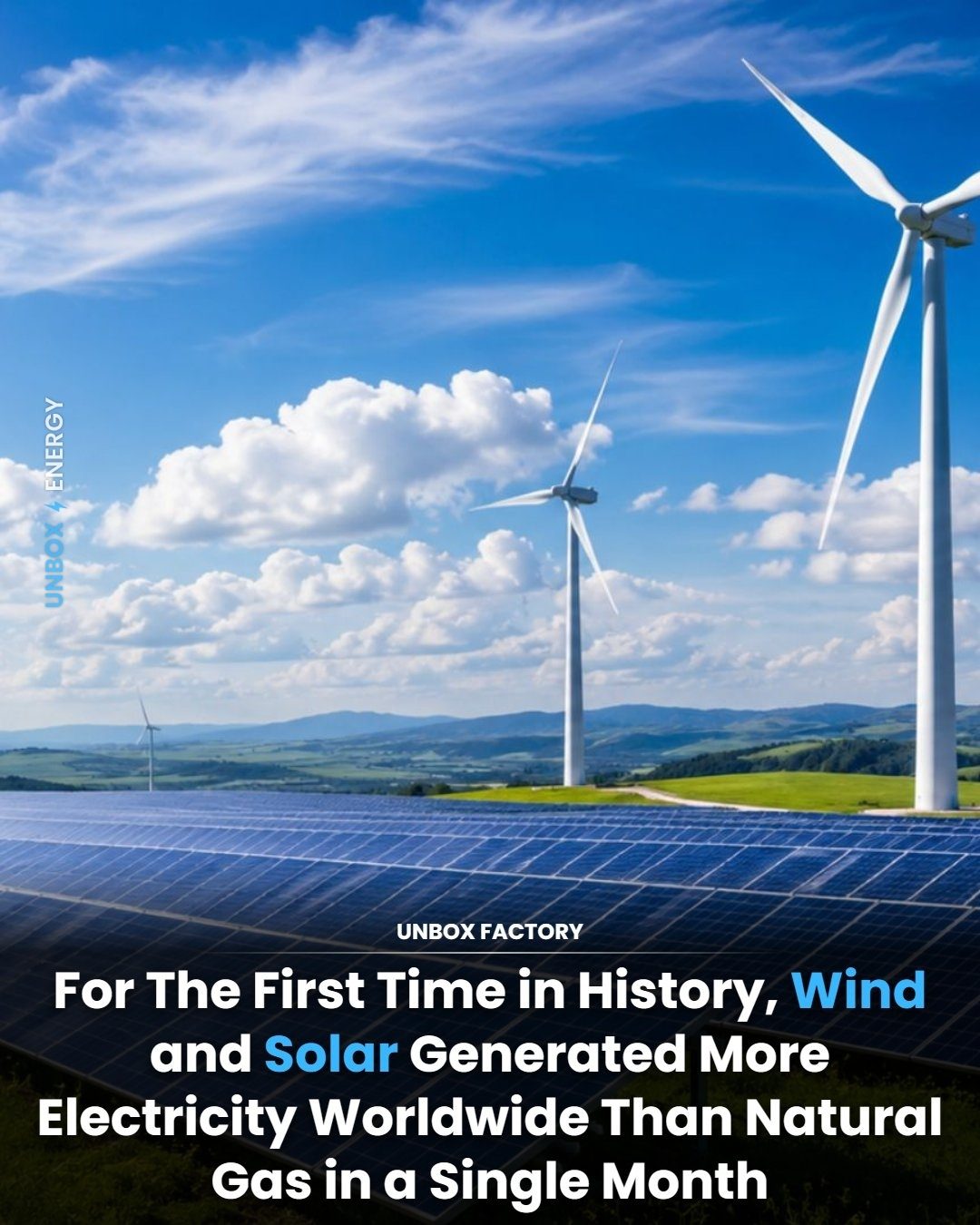
Renewable energy, particularly wind and solar power, has reached an unprecedented milestone. For the first time in history, wind and solar energy sources generated more electricity worldwide than natural gas in a single month. This achievement is primarily due to a surge in renewable energy installations across major economies. This milestone not only highlights the rapid growth and efficiency of renewable energy sources but also underscores the declining reliance on fossil fuels.
Why This Matters
The shift from natural gas to renewable energy sources like wind and solar is more than just a statistical milestone. It signifies a profound shift in global energy production and consumption patterns. It reflects the growing global commitment to sustainability and the economic viability of renewable energy. Let's examine why this transition is significant and what it means for the future of energy production.
Environmental Impact
The primary benefit of this shift is the reduction of carbon emissions. Natural gas, though cleaner than coal, still contributes to greenhouse gas emissions. By generating more electricity from wind and solar sources, we significantly lower our carbon footprint. This transition is crucial for mitigating climate change and meeting global sustainability goals.
Economic Factors
The growth of renewable energy is also driven by economic factors. Solar remains the world's fastest-growing source of new electricity generation. This is partly due to advancements in technology that have made solar panels more efficient and cost-effective. Additionally, countries are investing trillions of dollars in clean energy infrastructure and battery storage, making renewable energy more accessible and reliable.
Technological Advancements
Technological improvements in wind turbines and solar panels have boosted their efficiency and output. Larger turbines with more advanced blades can generate more electricity with less wind. Similarly, solar panels are becoming more efficient, allowing for greater energy production per square foot. These advancements have made renewable energy more competitive with traditional fossil fuels.
Main Discussion
The Rise of Wind Energy
Wind energy has seen significant growth in recent years. Modern wind turbines are taller and have longer blades, capable of capturing more wind and generating more electricity. Offshore wind farms, in particular, are becoming more common, leveraging stronger and more consistent winds found over water. These advancements have made wind energy a reliable and scalable source of electricity.
The Growth of Solar Energy
Solar energy has grown exponentially due to technological advancements and cost reductions. Solar panels are now more efficient and cheaper to produce, making solar energy an attractive option for both residential and commercial use. The installation of solar panels has become more accessible, with many governments offering incentives and rebates to encourage adoption.
The Role of Battery Storage
The integration of battery storage solutions has been a game-changer for renewable energy. Batteries help store excess energy generated during peak production times, ensuring a consistent supply of electricity even when the wind doesn't blow or the sun doesn't shine. This has made renewable energy sources more reliable, addressing one of the major criticisms of wind and solar power.
Practical Tips
If you're considering transitioning to renewable energy, here are some practical tips to help you make the most of the shift:
Assess Your Energy Needs
Before making the switch, assess your energy needs. Determine how much electricity you consume and identify areas where you can improve energy efficiency. This will help you choose the right renewable energy system for your needs.
Explore Incentives and Rebates
Many governments and utility companies offer financial incentives and rebates for installing renewable energy systems. Research available programs in your area to maximize your savings.
Consider Solar and Wind Combinations
Combining solar and wind energy can provide a more consistent and reliable power supply. Solar panels can generate electricity during the day, while wind turbines can produce energy at night or on cloudy days. This combination can help meet your energy needs more effectively.
Invest in Battery Storage
Investing in battery storage can help you store excess energy generated during peak production times. This ensures a consistent supply of electricity, even when renewable energy sources are not actively generating power.
Consult with Experts
Working with experienced professionals can help you navigate the complexities of installing and maintaining renewable energy systems. Consult with experts to ensure your system is installed correctly and operates efficiently.
Important Takeaways
The historic milestone of wind and solar energy surpassing natural gas generation in a single month underscores the rapid growth and viability of renewable energy sources. This shift is driven by technological advancements, economic incentives, and a global commitment to sustainability. By reducing dependence on fossil fuels, we can lower carbon emissions and mitigate climate change. As countries continue to invest in clean energy infrastructure, renewable energy is poised to become the dominant source of electricity in the coming years.
Conclusion
The transition to renewable energy sources like wind and solar power is not just a trend; it's a critical shift in how we produce and consume electricity. The recent milestone of wind and solar generating more electricity globally than natural gas in a single month highlights the growing importance and efficiency of these energy sources. By continuing to invest in and adopt renewable energy technologies, we can create a more sustainable and environmentally friendly future. Embracing this transition will not only benefit our planet but also drive economic growth and innovation.
Watch the Reel
Questions readers ask
How did wind and solar energy surpass natural gas in electricity production?
Wind and solar energy surpassed natural gas due to a significant increase in renewable energy installations globally. This growth has made renewable energy sources more efficient and cost-effective, contributing to their increased electricity production.
What does this milestone mean for the future of energy production?
This milestone indicates a growing global commitment to sustainable energy sources. It suggests that as renewable energy sources like wind and solar become more prevalent, there will be a continued decline in the use of natural gas and other fossil fuels.
What role did major economies play in this shift?
Major economies around the world have played a crucial role by increasing the number of wind and solar power installations. This surge in renewable energy installations has helped drive the shift from natural gas to renewable energy sources.
Why is this transition significant for global energy consumption?
This transition is significant because it reflects a profound shift in global energy consumption patterns. It highlights the increasing economic viability of renewable energy and a declining reliance on fossil fuels, which is beneficial for the environment.
How does this milestone reflect the efficiency and cost-effectiveness of wind and solar energy?
The milestone reflects the increasing efficiency and cost-effectiveness of wind and solar energy. The renewable energy sources have become more competitive with traditional energy sources, making them a viable alternative for electricity production.
What are the implications of this shift for environmental sustainability?
The shift from natural gas to wind and solar energy has significant implications for environmental sustainability. It reduces greenhouse gas emissions associated with fossil fuel use, contributing to a cleaner and more sustainable energy landscape.
What can we expect in the future regarding renewable energy production?
As renewable energy sources continue to grow and become more efficient, we can expect to see further reductions in natural gas and fossil fuel use. This trend will likely continue as more countries and industries invest in wind and solar power.
Related deep dives
Similar reads based on topic and creator.



Recent articles
Fresh deep dives from the latest Reels we unpacked.




Comments
Be the first to comment.