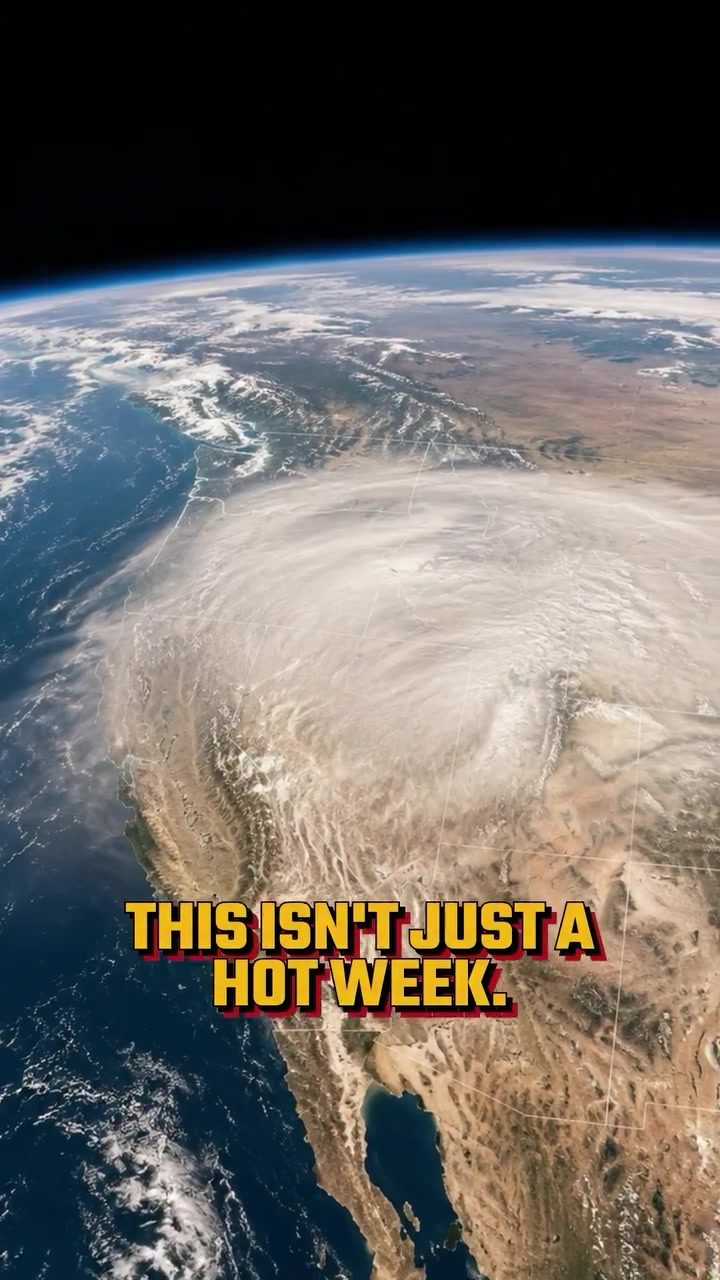
Extreme Heatwaves and Their Impact
The current weather pattern in the Southwest is more than just a temporary heat spell. A persistent ridge of high pressure has settled over the region, leading to days of intense heat. This phenomenon, known as a heat dome, is causing temperatures to soar to unprecedented levels. In Palm Springs, for instance, temperatures are projected to hit between 115°F and 118°F. The prolonged nature of this heatwave is particularly concerning, as it traps heat across the region day after day, with little to no relief even at night.
Why This Matters
The current heatwave is not just about discomfort; it has significant implications for both the environment and public safety. The lack of nighttime cooling is especially detrimental to vegetation and soils, which rely on cooler temperatures to recover from the day's heat. This prolonged exposure to high temperatures dries out fuels, making wildfires more likely and far harder to control once they start.
A heat dome forms when a high-pressure system becomes stationary over a region. This traps warm air, causing temperatures to rise significantly. The current heat dome over the Southwest is a classic example of this phenomenon. As the high-pressure system remains in place, it essentially locks the heat in, leading to a prolonged period of excessive warmth.
Understanding the Heat Dome
What is a Heat Dome?
A heat dome occurs when a high-pressure system in the upper atmosphere traps warm air underneath. This creates a dome-like structure that prevents the air from rising and cooling. As a result, the air heats up, and temperatures soar. The lack of cloud cover and wind further exacerbates the situation, leading to a prolonged period of extreme heat.
The Anatomy of a Heat Dome
- High-Pressure System: This is the key component of a heat dome. The high-pressure system acts as a lid, trapping warm air beneath it.
- Warm Air: As the air is trapped, it heats up due to the sun's radiation. The lack of wind and cloud cover means there is no relief from the heat.
- Persistent Conditions: Unlike typical heatwaves, which can move with weather patterns, a heat dome can remain stationary for days or even weeks, leading to prolonged periods of extreme heat.
The Impact on the Southwest
The current heat dome over the Southwest is a stark reminder of the region's vulnerability to extreme weather conditions. The prolonged heat is drying out vegetation and soils, making them more susceptible to wildfires. This lack of nighttime cooling means that the environment has little chance to recover from the day's heat, further exacerbating the situation.
Wildfires and Heatwaves
The Connection
While heatwaves do not directly cause wildfires, they create conditions that make them more likely and harder to control. Prolonged heat dries out fuels, such as vegetation and soil, making them more flammable. This means that even a small spark can quickly escalate into a full-blown wildfire.
The Dangers
The combination of high temperatures and dry conditions makes wildfires more difficult to control. Firefighters often rely on cooler temperatures and moisture to help extinguish fires, but during a heatwave, these conditions are rare. This makes it challenging to contain and suppress the fires, leading to more significant damage and loss.
Practical Tips for Dealing with Extreme Heat
Staying Safe During a Heatwave
- Stay Hydrated: Drink plenty of water, even if you don't feel thirsty. This helps your body regulate its temperature.
- Avoid Peak Hours: Try to avoid outdoor activities during the hottest part of the day, usually between 11 am and 3 pm.
- Stay Indoors: If possible, stay in air-conditioned spaces during the hottest part of the day. If you don't have air conditioning, consider visiting public places like libraries or malls.
- Wear Appropriate Clothing: Opt for light-colored, loose-fitting clothing made from breathable fabrics like cotton.
- Check on Others: Make sure to check on elderly friends, family, and neighbors, as they are more susceptible to heat-related illnesses.
Preparing for Wildfires
- Create a Defensible Space: Clear vegetation and debris from around your home to create a buffer zone.
- Keep Firefighting Equipment: Have fire extinguishers, hoses, and other firefighting equipment readily available.
- Stay Informed: Keep an eye on local news and weather updates for any wildfire warnings or alerts. Have an evacuation plan in place and be ready to act quickly if necessary.
- Protect Your Home: Install fire-resistant roofing and siding materials. Ensure that your gutters are clean and free of debris, as they can be a fire hazard.
Important Takeaways
Extreme heatwaves, such as the one currently affecting the Southwest, are more than just a temporary inconvenience. They have significant implications for both the environment and public safety. The prolonged heat and lack of nighttime cooling can lead to dry conditions, making wildfires more likely and harder to control. Understanding the dynamics of a heat dome and taking practical steps to stay safe during extreme heat is crucial.
The Role of Climate Change
Climate change is playing an increasingly significant role in the frequency and intensity of heatwaves. Rising global temperatures are leading to more prolonged and intense heat events, which can have devastating consequences for both people and the environment. Understanding the science behind these events and taking proactive steps to mitigate their impact will be essential in the coming years.
Conclusion
Heatwaves, particularly those caused by a heat dome, are a serious threat to both human health and the environment. This extreme weather event requires proactive measures to stay safe and mitigate its impact. Understanding the science behind these events and taking practical steps to prepare can help minimize the risks associated with extreme heat. By staying informed and taking necessary precautions, we can better navigate these challenging conditions and protect ourselves and our communities.
Watch the Reel
Questions readers ask
What exactly is a heat dome and how does it affect the Southwest?
A heat dome is a weather phenomenon characterized by a persistent ridge of high pressure that traps warm air, leading to unusually high temperatures. In the Southwest, this has resulted in record-breaking highs, such as the projected 115°F to 118°F in Palm Springs, and has significant environmental and safety implications.
Why are nighttime temperatures a concern during a heat dome?
During a heat dome, nighttime temperatures remain high, providing little relief from the day's heat. This lack of cool-down can be particularly harmful to both people and the environment, as it places prolonged stress on living organisms and ecosystems.
How does a heat dome impact wildfire risk in the Southwest?
A heat dome creates ideal conditions for wildfires by drying out vegetation and soils, making them more susceptible to ignition and rapid fire spread. The persistent high temperatures and low humidity levels exacerbate fire weather conditions, increasing the likelihood of wildfires and making them more difficult to control.
What are the public safety concerns associated with a heat dome?
Heat domes pose several public safety concerns, including heat exhaustion and heatstroke, especially for vulnerable populations such as the elderly, young children, and those with preexisting health conditions. Additionally, the increased risk of wildfires and power outages can disrupt daily life and pose further threats to public safety.
What role does climate change play in the occurrence of heat domes?
Climate change contributes to the increased frequency and intensity of heat domes. As global temperatures rise, so does the likelihood of extreme heat events. This trend is particularly concerning in regions like the Southwest, where the combination of high temperatures and dry conditions can lead to devastating wildfires and other environmental impacts.
Related deep dives
Similar reads based on topic and creator.


Recent articles
Fresh deep dives from the latest Reels we unpacked.




Comments
Be the first to comment.