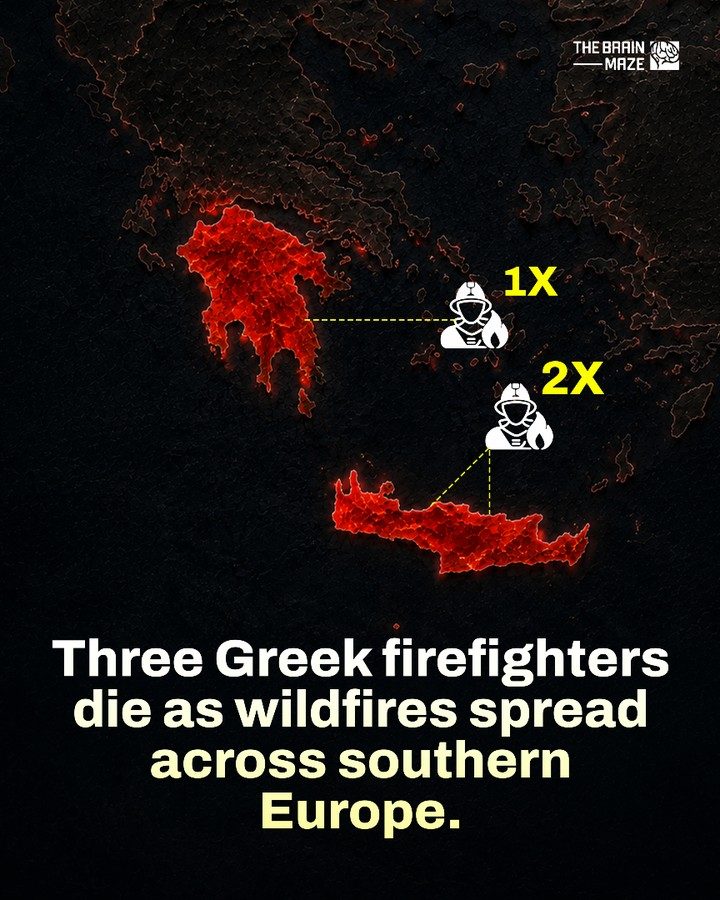
Wildfires in Greece
Wildfires raging across southern Europe have taken a tragic toll, with three Greek firefighters losing their lives while battling the blazes. The intense heat and powerful winds are exacerbating the spread of these fires, which have forced thousands to evacuate and destroyed countless homes. The situation is particularly dire in Greece, but the crisis extends to other countries in the region, including Crete, Spain, France, Turkey, and Portugal.
Why This Matters
The increasing frequency and intensity of wildfires are directly linked to rising temperatures, a stark reminder of the impact of climate change on our environment. Understanding the current state of these fires, the resources being deployed, and the broader implications for Europe's future are critical for recognizing the scale of the challenge we face.
The Current Situation
Extent of the Fires
The wildfires in Greece have been particularly devastating, with hundreds of thousands of hectares burned. The fires have not only caused significant environmental damage but have also led to the loss of lives and livelihoods. The situation is compounded by extreme heat and powerful winds, which make the fires more difficult to control and more dangerous for firefighters.
Impact on Surrounding Countries
The crisis is not confined to Greece. Countries like Spain, France, Turkey, and Portugal are also grappling with their own wildfire emergencies. The widespread nature of these fires highlights the broader threat posed by climate change, affecting multiple regions simultaneously and stretching resources thin.
Climate Change Connection
Rising Temperatures
Rising global temperatures are a key factor in the increased frequency and intensity of wildfires. The heatwaves and droughts caused by climate change create ideal conditions for fires to start and spread rapidly. This trend is expected to continue, making wildfires an increasingly common and severe threat.
Impact on Firefighting Efforts
The extreme conditions are making it incredibly difficult for firefighters to contain and extinguish the blazes. The loss of three Greek firefighters underscores the hazards they face, and the increased intensity of wildfires means that firefighters are being deployed in more dangerous situations.
Practical Tips for Safety
Evacuation Preparedness
As the risk of wildfires increases, it is crucial to be prepared for evacuation. Families should have an emergency plan in place, including a designated meeting point and a list of essential items to take. Knowing the evacuation routes and having a go-bag ready can save valuable time in an emergency.
Fire Prevention
Preventing wildfires is the most effective way to minimize their impact. This includes being cautious with fire use, avoiding activities that could spark a fire, and being aware of local regulations and fire bans. Homeowners can also take steps to make their properties more fire-resistant, such as clearing debris and using fire-resistant landscaping.
Community Support
Communities can support firefighters and affected residents by staying informed and following any instructions or guidelines from local authorities. Volunteer efforts, such as helping with evacuations or providing supplies to those in need, can also make a significant difference.
Important Takeaways
- Firefighters Face Extreme Risks: The loss of three Greek firefighters highlights the dangers that firefighters face, especially in extreme conditions.
- Climate Change Amplifies the Threat: Rising temperatures and changing climate patterns are making wildfires more frequent and severe, posing a growing threat to communities.
- Preparation and Prevention Are Key: Being prepared for evacuations and taking steps to prevent wildfires can save lives and property.
- Community Support Matters: Supporting firefighters and communities affected by wildfires is crucial for effective response and recovery efforts.
Conclusion
The wildfires in Greece and the broader European crisis underscore the urgent need for action on climate change and preparedness for extreme weather events. As the frequency and intensity of wildfires increase, communities must be proactive in preventing and responding to these disasters. By understanding the current situation, preparing for emergencies, and supporting affected communities, we can mitigate the devastating impact of wildfires and protect lives and livelihoods.
Watch the Reel
Questions readers ask
What factors are contributing to the severity of the wildfires in southern Europe?
The wildfires in southern Europe are exacerbated by intense heat and powerful winds, which contribute to the rapid spread of the blazes. Additionally, the increasing frequency and intensity of these fires are directly linked to rising temperatures due to climate change, making the region more susceptible to large-scale destruction.
Which countries in southern Europe are most affected by the recent wildfires and evacuations?
While Greece is currently at the forefront of the crisis, with the tragic loss of three firefighters, the wildfires are also significantly impacting countries such as Crete, Spain, France, Turkey, and Portugal. These countries are experiencing widespread evacuations and destruction.
What measures are being taken to combat the wildfires in Greece and other affected regions?
Efforts to combat the wildfires include deploying firefighters and emergency personnel to battle the blazes on the ground, while aerial support from helicopters and planes is assisting in water drops and fire suppression. Authorities are also coordinating evacuations to ensure public safety, and international support is being mobilized to assist in these efforts.
How does climate change impact the occurrence of wildfires in Europe?
Climate change is a significant factor contributing to the increasing frequency and intensity of wildfires in Europe. Rising temperatures lead to prolonged periods of drought and heatwaves, creating ideal conditions for wildfires to start and spread rapidly. This trend is expected to continue, posing a significant challenge to fire management and public safety.
What are the implications of the current wildfires on the future of Europe's environment and communities?
The current wildfires highlight the urgent need for enhanced fire management strategies and climate resilience. Communities across Europe must prioritize sustainable land use, invest in fire suppression technologies, and promote international cooperation to mitigate the risks associated with these devastating events. Failure to address these issues could result in more frequent and intense wildfires, leading to further loss of life and property.
What safety measures are being implemented to protect firefighters battling these wildfires?
Ensuring the safety of firefighters is a top priority. This includes providing advanced protective gear, training on handling extreme conditions, and employing real-time weather monitoring to anticipate changes in fire behavior. Additionally, enhanced communication systems and support from international firefighting teams help bolster safety measures on the ground.
How are local communities in southern Europe coping with the wildfire evacuations?
Communities affected by the wildfires are receiving support from local authorities and emergency services to ensure safe evacuations. Emergency shelters are being set up to accommodate evacuees, and aid organizations are providing essential supplies such as food, water, and medical assistance. Community resilience and support networks are also playing a crucial role in helping those displaced by the fires.
Related deep dives
Similar reads based on topic and creator.


Recent articles
Fresh deep dives from the latest Reels we unpacked.




Comments
Be the first to comment.