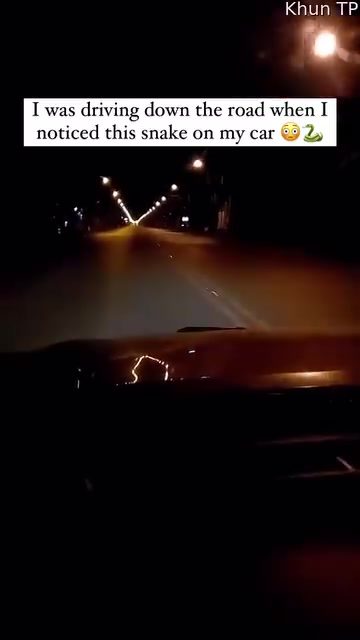
Snake Encounters on Cars: What to Do When You Find a Snake
Finding a snake on your car can be a surprising and unsettling experience. These encounters, while rare, can occur in various environments, especially in regions where snakes are prevalent. Here's what to know when you find a snake on your car, using Toyota as the example.
Context / Why This Matters
Snakes on cars are not a common occurrence, but they can happen, especially if you park in areas with dense vegetation or near bodies of water. Understanding how to handle such a situation safely is crucial for both your safety and the snake's well-being. This knowledge can help you avoid potential hazards and ensure that the snake is dealt with appropriately.
Main Discussion
Understanding Snake Behavior
Snakes often seek shelter in warm, enclosed spaces, which can sometimes include the undersides of cars. They are typically more active during warmer months and may be more likely to seek shelter during the day.
Identifying the Snake
If you encounter a snake on your car, it's important to identify the species if possible. While most snakes are non-venomous, some can be dangerous. In the United States, common venomous species include rattlesnakes, copperheads, and cottonmouths. In other regions, the types of dangerous snakes may vary.
Steps to Take When You Find a Snake on Your Car
-
Stay Calm: Panicking can lead to impulsive actions that may harm either you or the snake. Take a deep breath and assess the situation calmly.
-
Keep a Safe Distance: Maintain a safe distance from the snake. Most snakes will not attack unless provoked, but it’s better to be cautious.
-
Call for Help: If you’re unsure about handling the snake or if it appears to be venomous, contact local animal control or a wildlife professional. They have the necessary equipment and expertise to safely remove the snake.
-
Document the Encounter: If possible, take a photo or video of the snake from a safe distance. This can help wildlife professionals identify the species and provide guidance.
-
Prepare for Removal: If you decide to remove the snake yourself, use a long stick, broom, or other tool to gently coax the snake off your car. Be very careful not to harm the snake.
Practical Tips
- Parking Habits: Where you park can influence the likelihood of finding a snake on your car. Avoid parking in areas with tall grass, dense vegetation, or near bodies of water where snakes are more likely to be found.
- Inspect Your Vehicle: Before getting into your car, do a quick visual inspection to ensure there are no snakes on or around the vehicle.
Snake Removal Tips
- Use Protective Gear: If you must handle the snake yourself, wear gloves and long sleeves to protect your skin from potential bites.
- Use the Right Tools: A long stick, broom, or specialized snake removal tool can help you gently guide the snake away from your car without harming it. Never attempt to pick up the snake with your hands.
Important Takeaways
- Safety First: Always prioritize your safety and the safety of others when dealing with wildlife.
- Know the Species: Being able to identify snakes can help you determine the level of danger and the appropriate response.
- Seek Professional Help: Don’t hesitate to call a professional if you’re unsure about handling the situation yourself.
Conclusion
Encountering a snake on your car can be a startling experience, but with the right knowledge and precautions, you can handle the situation safely. Always stay calm, maintain a safe distance, and consider calling a professional for assistance. By understanding snake behavior and taking appropriate steps, you can ensure a safe and efficient resolution to the encounter.
Watch the Reel
Questions readers ask
Why do snakes often appear on cars?
Snakes are often attracted to cars because they provide a warm and sheltered environment. This is particularly true for Toyota vehicles parked in areas with dense vegetation or near bodies of water, where snakes are more likely to be present. The heat retained by the vehicle can be appealing to snakes, especially during cooler periods.
What should I do if I find a snake on my Toyota?
If you find a snake on your Toyota, it's important to stay calm and keep a safe distance. Do not attempt to touch, shoo, or harm the snake, as this could provoke it. If possible, contact a professional for assistance. This could be a local animal control service, a wildlife removal expert, or a veterinarian experienced in handling snakes.
Can I attempt to remove the snake from my car myself?
It is not recommended to attempt removing a snake from your car yourself, especially if you are not experienced in handling snakes. This could put both you and the snake at risk. If you must act, use a long, sturdy object, like a broom or a stick, to gently encourage the snake to move off the car. However, this should be a last resort, and professional help should be sought whenever possible.
What should I do if the snake is in my car's engine?
If a snake is in your car's engine, do not attempt to start the car or disturb the engine, as this could injure or kill the snake and potentially cause damage to your vehicle. Keep the car doors and windows closed to prevent the snake from entering the cabin, and contact a professional for assistance. They have the necessary tools and expertise to safely remove the snake from the engine.
How can I prevent snakes from getting on my car in the future?
To deter snakes from getting on your car, park in open, dry areas away from tall grass, bushes, or rocks where snakes may hide. Regularly clean and remove any debris or leaves from around your vehicle to eliminate potential snake habitats. Additionally, consider using snake repellents around your parking area, but ensure they are safe for the environment and other animals.
What if I hit a snake with my car?
If you accidentally hit a snake with your car, do not approach the snake or stop your vehicle immediately. Continue driving slowly to a safe location, then contact local animal control or a wildlife removal expert for guidance. They can assess the situation and ensure that the snake is dealt with appropriately, minimizing the risk to both humans and other animals.
Should I try to capture and relocate the snake myself?
It is generally not advisable to capture and relocate a snake yourself, as this can be dangerous and stressful for the snake. Snakes have specific habitat requirements and relocating them to an unfamiliar area can put them at risk. Always contact a professional who can safely remove and, if necessary, relocate the snake to a suitable habitat.
Related deep dives
Similar reads based on topic and creator.


Recent articles
Fresh deep dives from the latest Reels we unpacked.




Comments
Be the first to comment.