Extreme Thunderstorms and Lightning Strikes in Western Europe
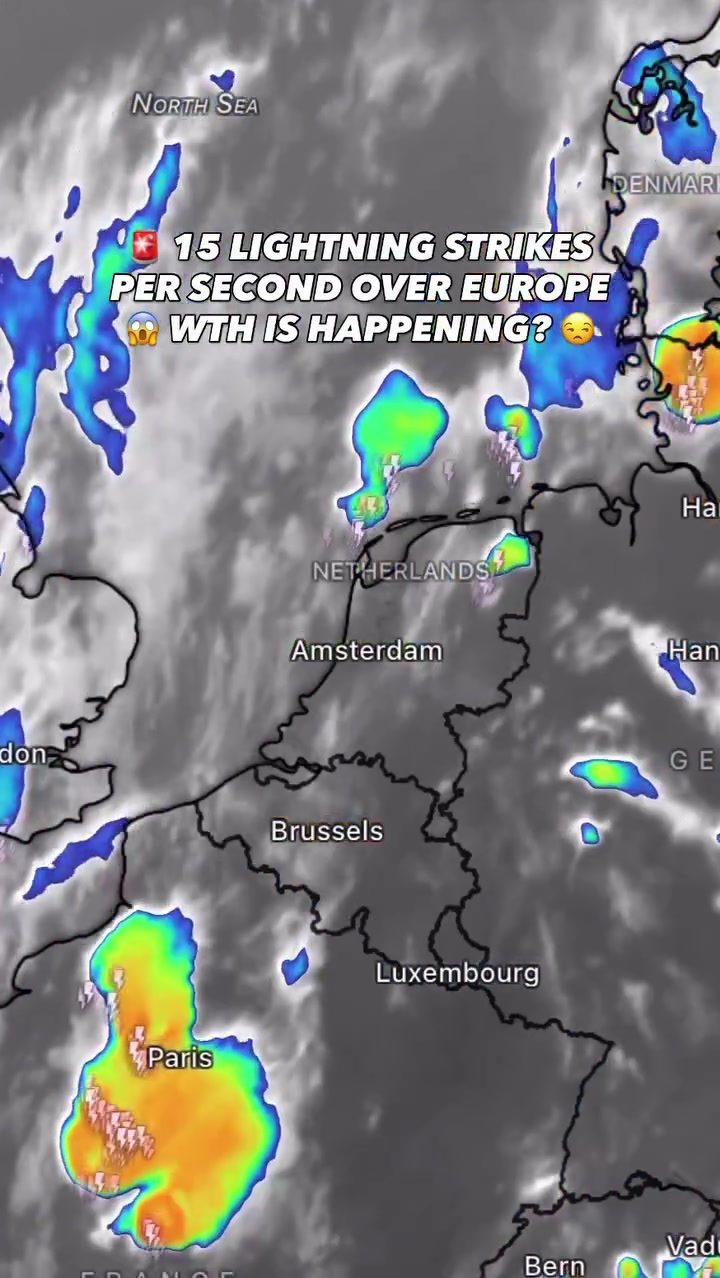
Western Europe is currently experiencing an unprecedented wave of extreme thunderstorms, with lightning strikes occurring at an astonishing rate of 15 per second. Paris and Amsterdam have been particularly hard hit, enduring hours of relentless lightning and heavy rainfall. The same intense storm cell that originated over Paris has now moved through Belgium and is advancing towards Amsterdam, bringing with it another surge of violent electrical activity.
Why This Matters
These severe weather events are not just isolated incidents but part of a growing trend of hyper-intense thunderstorm systems. The frequency and intensity of these storms are becoming increasingly alarming, particularly as Europe faces higher temperatures due to climate change. Understanding the scale and impact of these storms is crucial for public safety and preparedness.
The Current Situation
Lightning Activity
The Netherlands is currently the epicenter of this lightning activity, with a significant concentration of strikes. The heatmap overlay used to visualize the data shows predominantly orange and red areas over the Netherlands and surrounding regions, indicating high-intensity lightning activity. In contrast, blue and green areas signify lower activity.
Storm Characteristics
The storm cores are particularly intense, with cloud tops reaching a frigid -68°C (-90°F). This extreme cold at the cloud tops is a clear indicator of the storm's severity. The relentless nature of these storms, with lightning strikes occurring at such high frequencies, is unusual even for summer weather patterns. These conditions are characteristic of titanic, hyper-intense thunderstorm systems that are becoming more common across Europe.
Affected Areas
Major cities like Paris, Amsterdam, Brussels, and Luxembourg are among the hardest hit. The storm cell that initially formed over Paris has since moved through Belgium and is now heading towards Amsterdam, continuing its path of destruction. The relentless lightning and heavy rainfall have caused significant disruptions in these areas, with more regions likely to be affected as the storm progresses.
Practical Tips for Staying Safe
If you are in the path of these severe thunderstorms, it is essential to take precautions to ensure your safety. Here are some practical tips:
- Stay Indoors: Avoid being outdoors during thunderstorms. If you are outside, seek shelter immediately.
- Avoid High Ground: High places, including hills and open fields, are particularly dangerous during thunderstorms.
- Stay Away from Water: Water conducts electricity, so avoid bodies of water and wet surfaces.
- Power Off Electronics: Unplug electronics to protect them from power surges that can occur during lightning storms.
- Follow Local Alerts: Pay close attention to weather alerts and emergency broadcasts from local authorities. They provide critical information and instructions for staying safe.
Important Takeaways
The current extreme thunderstorms in Western Europe highlight several key points:
- Increasing Frequency: The frequency and intensity of these storms are on the rise, indicating a potential long-term trend.
- Impact on Major Cities: Major urban areas, including Paris and Amsterdam, are at high risk due to their population density and infrastructure.
- Public Safety: These storms pose significant threats to public safety, making it essential for individuals to be prepared and aware of emergency protocols.
- Climate Connections: The increasing occurrence of such storms is likely linked to broader climate patterns, particularly rising temperatures across Europe.
Conclusion
The extreme thunderstorms currently affecting Western Europe are a stark reminder of the power of nature and the need for vigilance. With lightning strikes occurring at an alarming rate and major cities in the line of fire, it is crucial for everyone to stay informed and take necessary precautions. As these storms become more common, understanding their characteristics and impacts will be vital for mitigating their effects and ensuring public safety.
Watch the Reel
Questions readers ask
How does the current rate of lightning strikes in Western Europe compare to previous years?
The current rate of 15 lightning strikes per second is unprecedented, indicating a significant increase in storm intensity and frequency compared to previous years.
Which cities in Western Europe are currently most affected by these thunderstorms?
Paris and Amsterdam have been particularly hard hit, with both cities experiencing hours of continuous lightning and heavy rainfall. The storm cell that started over Paris has moved through Belgium and is now advancing towards Amsterdam, bringing further electrical activity to the region.
What is the connection between climate change and the increasing intensity of thunderstorms in Europe?
Higher temperatures due to climate change are creating conditions that favor the formation of hyper-intense thunderstorm systems, driving the increase in both the frequency and severity of these storms in Western Europe.
How can residents in affected areas stay safe during these extreme weather events?
Residents should stay indoors during thunderstorms, avoid using electrical appliances, and stay away from windows. If outdoors, seek shelter immediately and avoid tall objects and bodies of water. Keep updated with local weather alerts and follow guidance from authorities.
Are there any other European countries besides France and the Netherlands currently affected by these storms?
Belgium is also currently affected, as the same intense storm cell that originated over Paris has moved through the country and is advancing towards Amsterdam, bringing with it another surge of violent electrical activity.
What kind of societal impacts can be expected from these extreme weather events?
Extreme thunderstorms can lead to power outages, damage to infrastructure, and disruption of daily activities. They can also pose significant risks to public safety, including injuries from lightning strikes and flooding. Communities may face challenges in responding to these events, particularly if they are not adequately prepared.
Related deep dives
Similar reads based on topic and creator.


Recent articles
Fresh deep dives from the latest Reels we unpacked.




Comments
Be the first to comment.