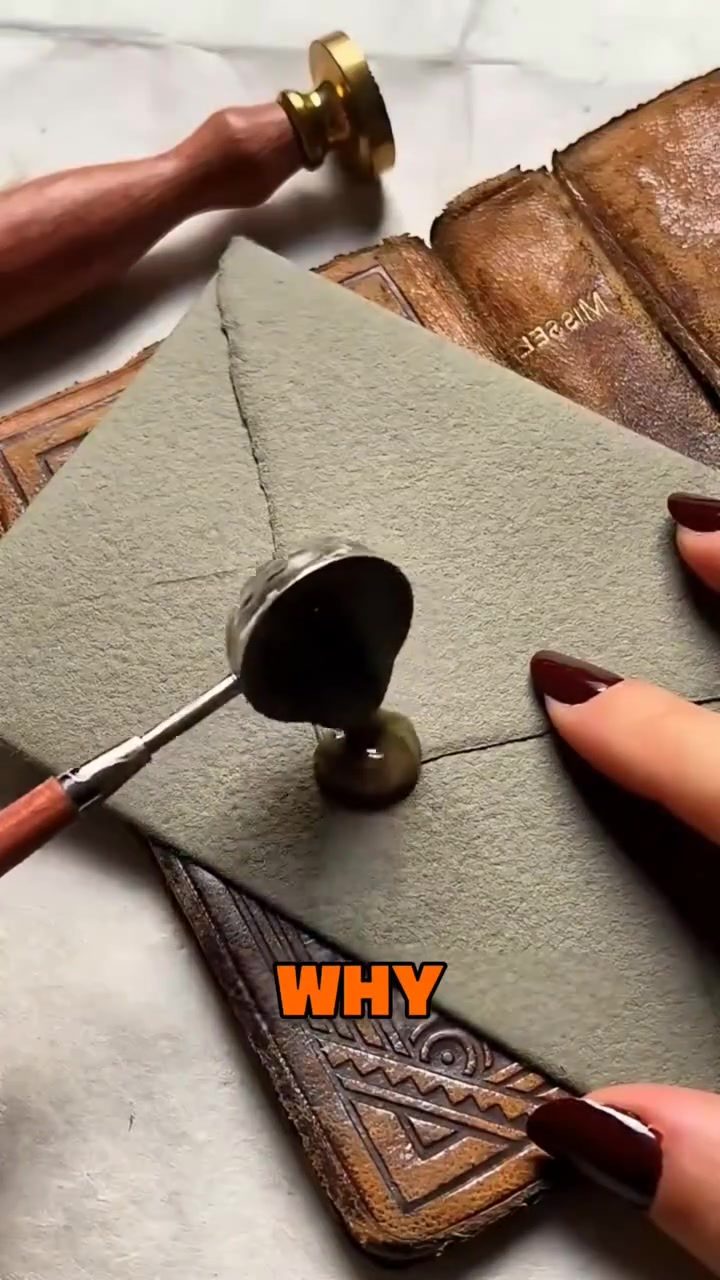
The Ancient Security of Wax Seals
Wax seals, a relic from a distant era, were once an indispensable tool for ensuring the privacy and security of written communications. Before the advent of modern technology, letters were the primary means of transmitting confidential information, and the use of wax seals played a critical role in maintaining their integrity.
Why This Matters
In an age where digital communication is ubiquitous, it's easy to overlook the importance of physical security measures. However, understanding the historical context of wax seals provides valuable insights into the evolution of communication and security. Wax seals not only protected letters from tampering but also served as a form of personal identification, making them a vital tool for nobles, merchants, and everyday people.
The Role and Application of Wax Seals
Wax seals were primarily used to secure letters and documents. The process involved melting wax and dripping it onto the paper or envelope. A unique seal, often a signet ring or a custom stamp, would then be pressed into the molten wax. This created a distinctive impression that was nearly impossible to replicate.
Materials and Techniques
The materials used in creating wax seals were simple yet effective. Wax itself was the primary component, typically beeswax, which could be heated and molded easily. Sealing wax could also be colored using pigments, adding a layer of personalization. The seal itself could be anything from a ring with a personal crest to a custom-made stamp with an intricate design.
Ensuring Integrity
One of the key features of wax seals was their ability to indicate tampering. The wax, when hardened, created a brittle layer over the letter or document. If someone attempted to open the letter, the wax would crack or break, making any unauthorized access immediately obvious. Attempting to melt the wax to hide the damage would also destroy the original seal, further ensuring that any tampering was evident.
Uniqueness and Personalization
Each seal was unique to the individual, making it an effective form of identification. This uniqueness made it extremely difficult for forgers to create a perfect copy. Nobles, merchants, and even ordinary people used personal seals to keep their letters private and secure. This personal touch ensured that the recipient knew the letter had come from the intended sender and had not been tampered with.
Application in Modern Context
While wax seals are no longer a part of our everyday communication, they offer valuable lessons in security and authenticity. In a world where digital security is a growing concern, the principles of wax seals can be applied to modern security measures.
Digital Seals and Certificates
In the digital age, concepts akin to wax seals can be found in digital certificates and cryptographic keys. These digital seals work similarly to their physical counterparts. They ensure the integrity of data and verify the authenticity of the sender or creator. Just as wax seals made tampering obvious, digital certificates use algorithms to detect any alteration in the data, ensuring its security.
Personal Identification
Digital signatures and personal identification methods also draw parallels to wax seals. These methods use unique identifiers, similar to the personal seals of the past, to verify the identity of individuals and ensure the authenticity of transactions and communications.
Practical Tips for Using Wax Seals
For those interested in incorporating wax seals into modern crafts or historical reenactments, here are some practical tips:
-
Choose the Right Wax: Select a high-quality wax that melts smoothly and sets firmly. Beeswax is a popular choice due to its versatility and ease of use.
-
Use a Specialized Seal: Invest in a custom-made seal or signet ring. This ensures that your seal is unique and difficult to replicate, just like the seals used in ancient times.
-
Know the Techniques: Practice applying the wax and pressing the seal to get the perfect impression. Use a tool to ensure the wax is evenly applied and the seal is firmly pressed.
-
Personalize Your Seal: Consider adding color or a decorative element to your seal to make it uniquely yours.
-
Understand the Importance of Integrity: Remember, the primary purpose of a wax seal is to ensure the integrity of the letter or document. Use the seal as a way to enhance the authenticity and security of your communications.
Important Takeaways
Wax seals were more than just a method of sealing letters; they were a symbol of trust and security. Their unique design and brittle nature made them an effective deterrent against tampering. In a world where digital communication has largely replaced physical letters, the principles of wax seals remain relevant. They remind us of the importance of authenticity, integrity, and personal identification in securing our communications.
Conclusion
The use of wax seals in ancient times highlights the ingenuity and resourcefulness of people in ensuring the security and privacy of their communications. While modern technology has rendered wax seals obsolete for everyday use, their principles continue to influence digital security measures. Understanding the historical context and techniques of wax seals provides valuable insights into the evolution of communication and security, offering timeless lessons that remain relevant today.
Watch the Reel
Questions readers ask
What materials were traditionally used to create wax seals?
Traditionally, wax seals were made using beeswax or sealing wax, which were melted and poured onto the back of a folded letter or document. A seal or signet ring was then pressed into the warm wax to create an impression, acting as a unique identifier for the sender.
How did wax seals help secure documents in the pre-Internet era?
Wax seals provided a physical barrier against tampering before digital communication existed. Once the seal was broken, it was immediately evident that the document had been opened. This visual indication of tampering helped ensure the integrity of the communication.
What role did wax seals play in historical correspondence?
Wax seals were crucial in historical correspondence, especially for nobles and merchants. They served as a means of personal identification and verification, ensuring that the letter's contents were genuine and had not been altered during transit. This was particularly important for sensitive or confidential information.
Can I still make wax seals today, and if so, how?
Yes, you can still make wax seals today using modern wax seal kits. These kits typically include wax, a melting spoon, and a variety of seal designs. To create a seal, you melt the wax, pour it onto your document, and press a seal into the warm wax. This is an excellent way to add a personal touch to invitations, letters, or crafts.
Were there any regional variations in wax seal designs?
Yes, wax seal designs varied widely depending on the region and the status of the sender. Noble families often had intricate, personalized seals that served as their signature, while merchants and other professionals might use simpler designs or symbols representing their trade. The diversity in these designs provided additional insight into the sender's background and affiliation.
How did the use of wax seals evolve over time?
The use of wax seals evolved significantly with the advent of envelopes and modern adhesives. As postal systems improved, the need for wax seals diminished. However, they remain a popular decorative element in crafting and stationery, offering a nostalgic touch that harkens back to the days of pre-Internet communication.
What are some common misconceptions about wax seals?
One common misconception is that wax seals were only used by royalty. While nobles did frequently use them, merchants, scribes, and other professionals also employed wax seals to secure their correspondence. Another misconception is that wax seals were always made with red wax, as they were often made with beeswax, which is often more golden in color.
Related deep dives
Similar reads based on topic and creator.



Recent articles
Fresh deep dives from the latest Reels we unpacked.




Comments
Be the first to comment.