The Global Water Crises and the New Gold Rush
Water scarcity is no longer a distant threat but a present reality. As of 2026, nearly half of the global population experiences severe water stress. This crisis is driven by a combination of industrial overconsumption, aging infrastructure, and shifting climate patterns. The situation is particularly dire for underground aquifers, which provide the majority of our drinking and irrigation water. Many of these aquifers are being depleted at rates far higher than their natural replenishment capabilities.
This global water crisis not only affects access to clean water but also has profound implications for food production and urban development. As freshwater becomes scarcer, it is increasingly seen as a strategic commodity. Large-scale investors and institutional funds are now prioritizing the acquisition of water rights over physical land. These legal entitlements grant control over the liquid assets beneath the soil, making freshwater access a critical factor in securing long-term influence.
Why This Matters
The globalization of water scarcity has far-reaching consequences. Water is the most vital resource for life, and its shortage affects every aspect of human activity, from agriculture and industry to sanitation and health. Freshwater scarcity places intense pressure on agricultural sectors, which are the backbone of global food supply chains. As water becomes scarcer, the debate around the ethics of privatizing life-sustaining resources intensifies.
The global water crisis is a defining factor in both economic stability and international security. Controlling the flow of water has become a method of securing long-term influence over food production and urban development. This shift signifies a move toward treating water as a financial hedge against future scarcity. Projections for the end of the decade suggest a significant gap between the available freshwater supply and the requirements of a growing global population.
The New Gold - Investing in Water
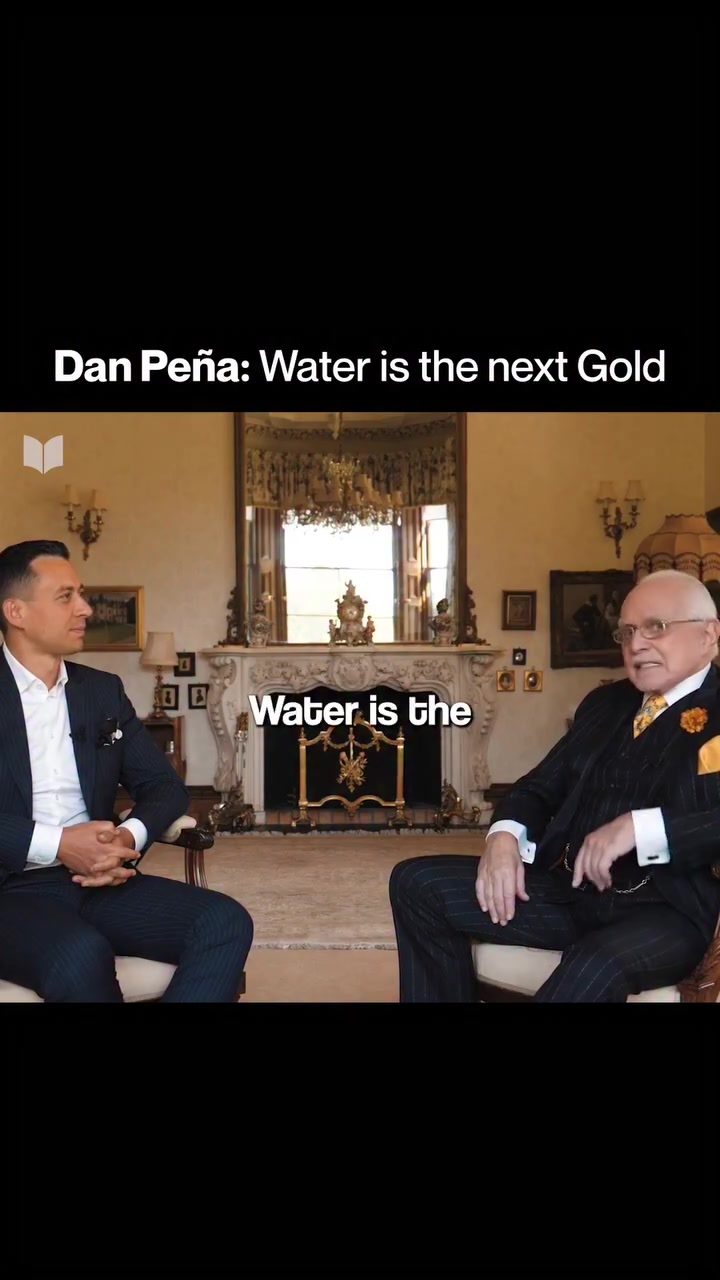
The water crisis is not just about environmental sustainability; it is also about financial opportunity. Dan Peña, a prominent businessman, sees water as the next gold. He argues that savvy investors, including families like the Rockefellers, have been acquiring water rights for over a century. These investments are strategic moves to control a resource that has no biological or chemical substitute, making it a valuable asset in an increasingly water-scarce world.
Large-scale investors and institutional funds understand the value of water and are prioritizing the acquisition of water rights. Ted Turner, one of the largest landowners in the United States, is a prime example. He is believed to own significant water rights that justify his extensive landholdings. This trend underscores the idea that water, not land, is the new strategic commodity. Investors are buying water rights to secure long-term influence over food production and urban development, turning freshwater access into a critical factor in securing economic and political influence.
Practical Tips
For Individuals
- Conserve Water at Home: Implement water-saving practices in daily life, such as fixing leaks, installing low-flow fixtures, and using water-efficient appliances.
- Support Sustainable Agriculture: Opt for products from farms that practice sustainable water management. This can reduce the strain on freshwater resources.
- Invest Wisely: Consider investing in companies that focus on water conservation, purification, and distribution technologies.
For Communities
- Advocate for Smart Water Policies: Encourage local governments to implement policies that promote water conservation and sustainable use.
- Support Infrastructure Upgrades: Push for updates to aging water infrastructure to reduce leaks and improve efficiency.
- Community Awareness: Organize workshops and awareness campaigns to educate the public about the importance of water conservation and sustainable practices.
For Businesses
- Implement Water Management Systems: Use technology to monitor and manage water usage efficiently.
- Invest in Water-Efficient Technologies: Upgrade to machinery and processes that consume less water.
- Sustainable Practices: Adopt water recycling and reuse practices to reduce dependency on fresh water.
Important Takeaways
The global water crisis is a complex issue that requires a multi-faceted approach. Water scarcity is not just an environmental problem but a strategic and economic one. Understanding the dynamics of water rights, the role of large-scale investors, and the ethical implications of privatizing a life-sustaining resource is crucial. The coming years will likely see a transformation in how water is priced, traded, and protected, as it becomes the defining factor in both economic stability and international security.
Conclusion
The global water situation has transitioned into a critical phase where demand consistently outpaces the natural replenishment of Earth’s vital resource. As water becomes scarcer, it is increasingly seen as a strategic commodity. Large-scale investors and institutional funds are prioritizing the acquisition of water rights, turning freshwater access into a critical factor in securing long-term influence. The global water crisis is a defining factor in both economic stability and international security, and it requires a comprehensive approach to address the challenges it presents.
Watch the Reel
Questions readers ask
What is driving the current global water crisis?
The global water crisis is primarily driven by industrial overconsumption, climate change, and aging infrastructure. These factors have led to a significant depletion of water resources, particularly underground aquifers, which are being used at rates much faster than they can be replenished.
How does the global water crisis impact food production?
The global water crisis poses a significant threat to food production, as agriculture accounts for about 70% of global water withdrawals. With freshwater becoming scarcer, farmers face challenges in irrigation, leading to potential decreases in crop yields and food security issues.
Why are water rights becoming more valuable?
Water rights are becoming more valuable due to the increasing scarcity of freshwater. As demand outstrips supply, those who control water resources gain significant influence. This shift is turning water rights into a commodity, much like gold, as investors and industries seek to capitalize on this valuable asset.
Which regions are most affected by severe water stress?
Severe water stress affects various regions globally, but it is particularly acute in areas with high population densities, intense industrial activity, and arid climates. These include parts of the Middle East, North Africa, and South Asia, as well as certain regions in the United States, such as California and the Southwest.
What are the implications of the global water crisis for urban development?
The global water crisis poses challenges for urban development as cities struggle to secure enough water for their growing populations. This can lead to increased competition for water resources, potential water rationing, and the need for innovative water management solutions to ensure sustainable urban growth.
How can individuals and businesses contribute to water conservation efforts?
Individuals can contribute to water conservation by adopting water-saving habits, such as fixing leaks, using efficient appliances, and practicing smart irrigation. Businesses can implement sustainable water management practices, invest in water-efficient technologies, and promote a culture of water stewardship to help mitigate the global water crisis.
What investments are being made in the water sector due to the crisis?
Investments in the water sector are increasingly focusing on water rights, infrastructure upgrades, and water treatment technologies. There is also a growing interest in desalination, wastewater recycling, and other innovative solutions to address the global water scarcity. Governments, corporations, and private investors are all exploring opportunities in this new gold rush.
Related deep dives
Similar reads based on topic and creator.


Recent articles
Fresh deep dives from the latest Reels we unpacked.




Comments
Be the first to comment.