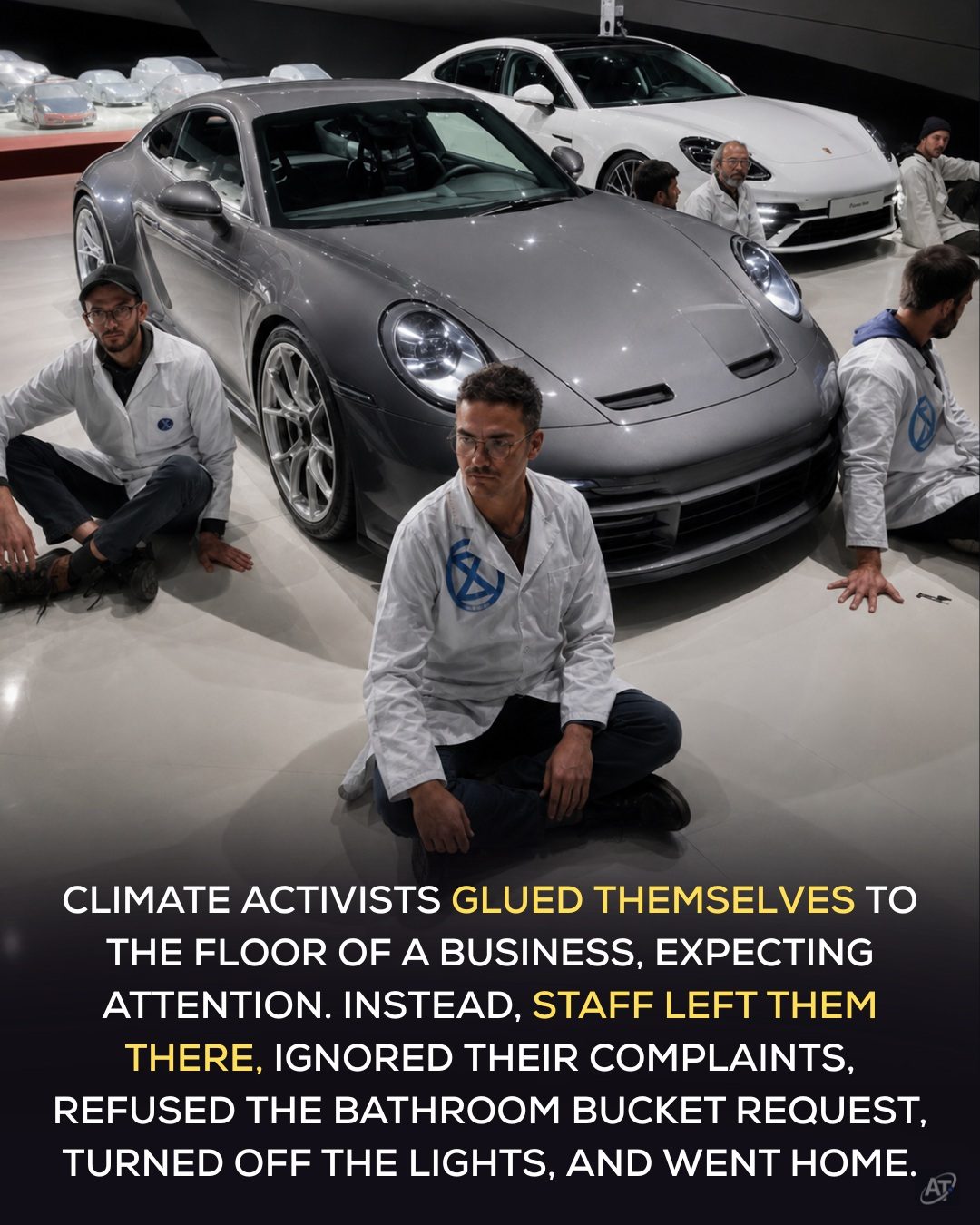
Climate Activism Protest at Volkswagen's Autostadt
On October 19, 2022, members of Scientist Rebellion turned the Porsche pavilion at Volkswagen’s Autostadt attraction in Wolfsburg, Germany, into a stage for climate activism. This high-profile protest brought attention to critical issues in the transport sector, highlighting the urgent need for decarbonization and policy changes. Around 15 activists participated, with nine gluing themselves to the floor and some beginning a hunger strike.
Why This Matters
Climate activism has long been a crucial part of the global effort to mitigate the environmental crisis. The transport sector, a significant contributor to greenhouse gas emissions, is a key focus area. Protests like the one at Autostadt draw attention to the necessity of transitioning to more sustainable transport methods and policies. The goals of the protest were clear: faster transport-sector decarbonization, cheaper public transportation, and a nationwide speed limit of 100 km/h on German motorways.
The Protest Unfolds
The Occupation
The activists’ actions were dramatic and intended to disrupt business as usual. By gluing themselves to the floor, they effectively shut down the pavilion, attracting both media and public attention. The occupation was not just about physical disruption; it was a call for Volkswagen CEO Oliver Blume to support more sustainable practices.
The Conditions
As the evening wore on, the situation inside the pavilion became increasingly difficult for the activists. They reported that the heating and lights had been switched off, making the environment uncomfortable. Supporters outside could not deliver food, and Volkswagen reportedly refused to provide bowls without the activists detaching themselves from the floor. This created a tense and challenging environment for the participants.
The Contradictions
The situation became more complex when Volkswagen supplied food, contradicting the activists' declared hunger strike. The company later clarified that restroom facilities remained available and that the building’s lighting was on a timer. However, the activists continued to complain about security personnel repeatedly checking the pavilion using bright flashlights, adding to their discomfort.
Health Concerns
The most serious issue arose when spokesperson Gianluca Grimalda’s glued hand became badly swollen. Doctors warned him of the risk of dangerous blood clots, advising him to go to the hospital. Grimalda left the pavilion but continued his hunger strike, emphasizing the activists' commitment to their cause even in the face of health risks.
The Aftermath
The protest did not end because the activists changed their minds. Police entered the pavilion after approximately 41 to 42 hours, removing the remaining activists. Legal proceedings were initiated over alleged trespassing, coercion, and property damage. While the protest certainly attracted attention, much of the public conversation focused on the activists' discomfort rather than their warnings about transport emissions.
Practical Tips for Effective Activism
Strategic Planning
Effective activism requires strategic planning. Knowing your target audience and understanding their motivations is crucial. In this case, the activists chose a high-profile location and a symbolic target—a Porsche showroom—to maximize media coverage. Doing your research and selecting appropriate targets and methods can significantly amplify your message.
Public Engagement
Engaging the public is a critical aspect of successful activism. The activists in this case used social media to share updates and garner support. Whether posting live updates, sharing personal stories, or utilizing social media platforms, keeping the public informed and involved can help build a broader movement.
Flexibility in Tactics
Protests often face unexpected challenges and changes in circumstances. The activists had to adapt to changing conditions, such as being denied food and other essentials. Being flexible and ready to adjust tactics can help activists maintain their momentum and resilience in the face of adversity.
Safety and Health
Health and safety should always be a priority for activists. The incident with Gianluca Grimalda highlighted the importance of medical preparedness. Activists should have plans in place for medical emergencies and ensure that health risks are minimized. It is crucial to balance the urgency of the message with the well-being of participants.
Important Takeaways
The Importance of Environmental Awareness
The protest highlights the critical need for environmental awareness and action. The transport sector, which is a significant contributor to greenhouse gas emissions, requires urgent attention. Public pressure can drive policy changes and encourage sustainable practices.
Public Perception and Media Coverage
While protests aim to draw attention to critical issues, the public's perception and media coverage play a significant role in shaping the narrative. Activists must be prepared to navigate media scrutiny and public opinion, ensuring their message remains clear and compelling.
The Role of Corporations
The actions of corporations like Volkswagen play a pivotal role in the fight against climate change. Activists can use protests and other forms of activism to pressure these companies to adopt more sustainable practices.
Conclusion
The climate activism protest at Volkswagen’s Autostadt was a high-stakes effort to draw attention to the urgent need for transport-sector decarbonization. The activists’ actions, while challenging, highlighted the complexities and risks involved in effective activism. Their efforts underscore the importance of strategic planning, public engagement, and media management in shaping the narrative around climate change.
Watch the Reel
Questions readers ask
What were the main demands of the climate activists at the Volkswagen protest?
The climate activists, led by Scientist Rebellion, called for Volkswagen to accelerate its decarbonization efforts and implement more sustainable transport policies. They specifically demanded that Volkswagen CEO Oliver Blume show a stronger commitment to sustainability, suggesting that the automaker could potentially do more to fight climate change.
Why did the climate activists choose Volkswagen's Autostadt for their protest?
Volkswagen's Autostadt is a high-profile location that showcases the company's brand and innovations. By staging their protest there, the activists aimed to maximize public attention and pressure Volkswagen into taking more decisive action on climate change.
What actions did the activists take during the protest?
Around 15 activists participated in the protest, with nine gluing themselves to the floor of the Porsche pavilion. Some of the activists also began a hunger strike to underscore the urgency of their demands and the severity of the climate crisis.
What is the significance of the transport sector in climate activism?
The transport sector is a major contributor to greenhouse gas emissions, making it a key focus area for climate activists. By targeting automakers like Volkswagen, activists aim to push for changes that can significantly reduce emissions and promote sustainable transport policies.
What is Scientist Rebellion, and what role did they play in the Volkswagen protest?
Scientist Rebellion is an activist group composed of scientists who advocate for climate action. They led the protest at Volkswagen's Autostadt, highlighting the urgent need for decarbonization and sustainable transport policies in the automotive industry.
How did Volkswagen respond to the climate activist protest?
The article does not detail Volkswagen's specific response to the protest. However, such high-profile actions often prompt companies to review their policies and engage more openly with activists and the public about their sustainability initiatives.
What can be the expected impacts of these protests on Volkswagen's operations and policies?
Protests like this can raise public awareness about the urgency of climate action and put pressure on companies to accelerate their sustainability efforts. While the direct impacts on Volkswagen's operations and policies are not detailed, such activism can lead to increased scrutiny and demands for more ambitious climate targets and sustainable practices.
Related deep dives
Similar reads based on topic and creator.



Recent articles
Fresh deep dives from the latest Reels we unpacked.




Comments
Be the first to comment.