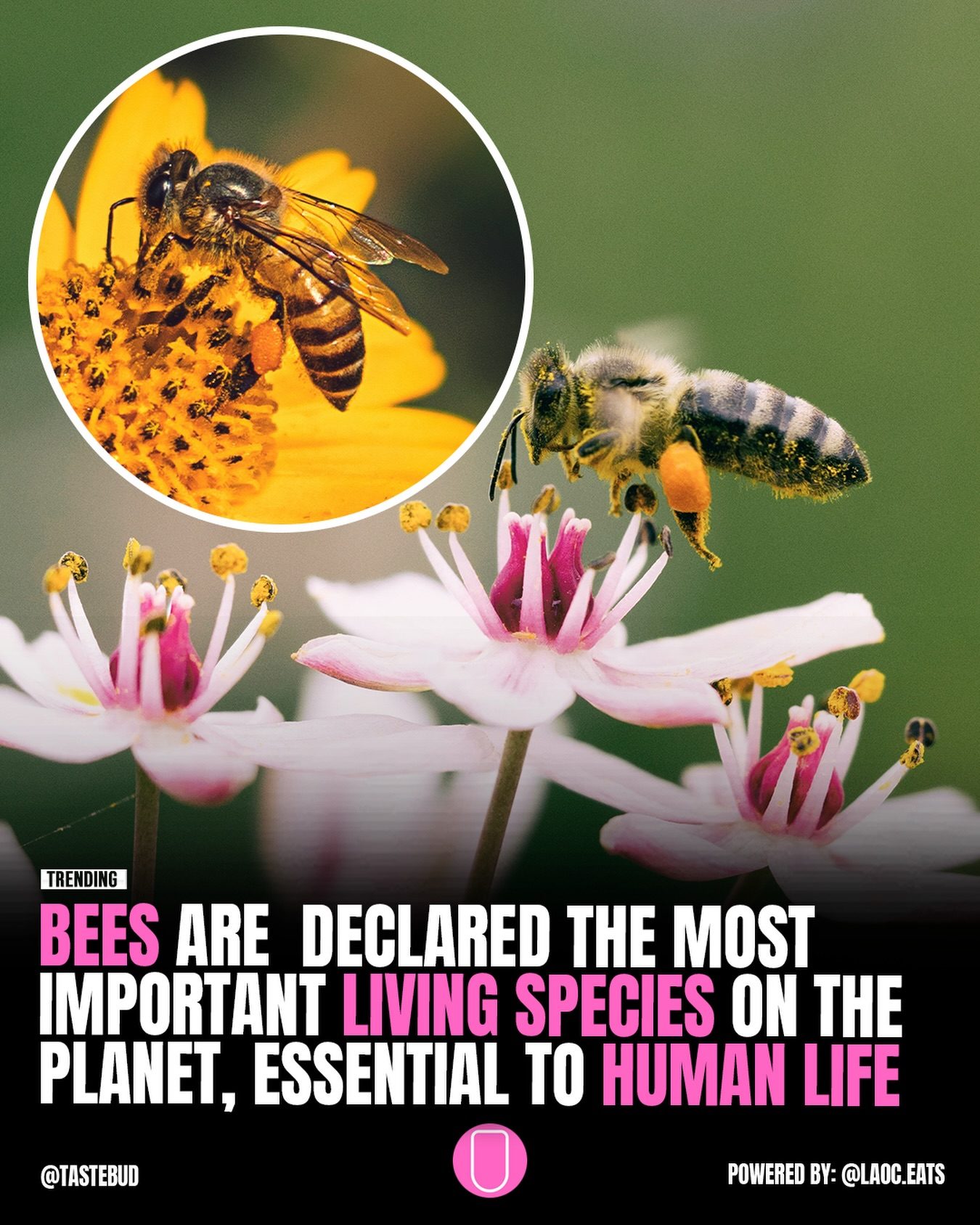
Bee Importance
Bees play a critical role in sustaining global food systems and ecosystems. These tiny insects are responsible for pollinating a significant portion of the world's food crops, which include fruits, vegetables, and nuts. Estimates suggest that bees contribute to pollinating around 75% of these crops, making them indispensable to agriculture and food production.
Why This Matters
The importance of bees extends far beyond their role in producing honey. Their pollination services are vital for maintaining biodiversity and supporting the ecosystems that humans rely on for food, medicine, and other resources. Without pollinators like bees, food production and biodiversity would face significant challenges. The decline in bee populations, driven by factors such as habitat loss, pests, and diseases, poses a serious threat to global food security and environmental health.
Main Discussion
The Role of Bees in Food Production
Bees are crucial pollinators for many of the world's food crops. Through the process of pollination, bees transfer pollen from the male parts of flowers to the female parts, enabling the plants to produce seeds and fruits. This process is essential for the reproduction of many plants, including a wide variety of fruits, vegetables, and nuts. Some of the most common crops that rely on bees for pollination include apples, almonds, blueberries, cherries, and squash. Without bees, the production of these foods would be severely impacted, leading to potential shortages and increased food prices.
Bees and Biodiversity
Bees also play a significant role in maintaining biodiversity. They support the reproduction of numerous plant species, which in turn provide food and habitat for a wide range of animals. The loss of bees could lead to a cascade of ecological changes, affecting not only the plants that depend on them for pollination but also the animals that rely on those plants for sustenance. This disruption in the ecosystem could have far-reaching consequences, including the loss of other species and the degradation of natural habitats.
Beyond Honey: The Economic Value of Bees
While honey is a well-known product of beekeeping, it represents only a fraction of the economic value that bees provide. The pollination services that bees offer are worth billions of dollars annually. According to the USDA, honey bees alone contribute more than $15 billion in crop value in the United States. Globally, the economic impact of bees is estimated to be in the hundreds of billions of dollars. This value underscores the importance of protecting and maintaining healthy bee populations to ensure the sustainability of global food systems and economies.
Threats to Bee Populations
Despite their importance, bee populations are facing numerous threats. Habitat loss, due to urbanization and agricultural practices, is one of the primary challenges. Pesticides, particularly neonicotinoids, have been linked to declines in bee populations by affecting their navigation, reproduction, and overall health. Additionally, diseases and parasites, such as the varroa mite, pose significant risks to bee colonies. Climate change is another emerging threat, as it alters the timing of plant blooms and food availability, disrupting the delicate balance of bee life cycles. Understanding and addressing these threats is crucial for ensuring the long-term survival of bee populations and the ecosystems they support.
Practical Tips
Supporting Bee Populations
- Plant Bee-Friendly Flowers: Create a bee-friendly garden by planting a variety of flowers that bloom at different times of the year. This provides a consistent food source for bees and helps support their populations. Some bee-friendly plants include sunflowers, lavender, and aster.
- Avoid Pesticides: Reduce the use of pesticides in your garden and opt for natural alternatives. Pesticides can be harmful to bees and other beneficial insects, so it's important to choose eco-friendly methods for pest control.
- Provide Water: Set up a shallow dish of water with pebbles or a birdbath to provide a water source for bees. Ensure the water is clean and change it regularly to prevent the spread of diseases.
- Create Habitat: Provide nesting sites for bees by leaving some areas of your yard undisturbed. Bees need places to nest, and natural habitats, such as dead trees and hollow stems, can serve this purpose. You can also purchase or build bee houses to encourage solitary bees to nest in your garden.
- Support Local Beekeepers: Purchase honey and other bee products from local beekeepers. This not only supports their work but also helps maintain healthy bee populations in your community.
Important Takeaways
Bees are essential for maintaining the health of our food systems and ecosystems. Their role in pollinating crops ensures the production of a wide variety of fruits, vegetables, and nuts, which are crucial for human nutrition. The economic value of bees extends far beyond honey production, contributing billions of dollars annually to global food economies. However, bee populations face numerous threats, including habitat loss, pesticides, diseases, and climate change. Taking steps to support bee populations, such as planting bee-friendly flowers and avoiding pesticides, can help ensure the long-term survival of these vital pollinators.
Conclusion
Bees are indispensable to the health and sustainability of our planet. Their pollination services support the global food system and contribute to biodiversity. Understanding and addressing the threats they face is crucial for preserving the many benefits that bees provide. By taking proactive steps to support bee populations, we can help ensure the continued health of our ecosystems and food systems for future generations.
Watch the Reel
Questions readers ask
Why are bees considered essential for global food production?
Bees are vital for global food production because they pollinate approximately 75% of food crops. This includes a wide variety of fruits, vegetables, and nuts, all of which form a large portion of the world's food supply. Without bees, many of these crops would struggle to produce harvests, threatening food supply and availability.
How do bees contribute to maintaining biodiversity and environmental balance?
Bees support biodiversity and environmental balance by pollinating a wide range of plants, which is crucial for maintaining diverse plant communities. Their pollination activities ensure the propagation of many plant species, which in turn provide habitats and food for other animals. This helps sustain healthy ecosystems that humans depend on for various resources, including food and medicine.
What are the consequences of the decline in bee populations?
The decline in bee populations poses significant threats to food security and environmental balance. With fewer bees, many food crops may fail to produce adequate yields, leading to potential food shortages and increased food prices. Additionally, the loss of bees can disrupt ecosystems, causing a domino effect that impacts other plant and animal species, as well as the overall health of the environment.
Which crops are most affected by the lack of bee pollination?
Bees are essential for the production of a wide variety of crops. Some of the most affected include fruits like apples, cherries, and berries, as well as vegetables such as cucumbers, squash, and tomatoes. Nuts, including almonds and walnuts, also rely heavily on bee pollination. A significant reduction in bee populations could lead to substantial decreases in the produce of these crops.
What can individuals do to support bee populations?
Individuals can support bee populations by creating bee-friendly habitats in their gardens or balconies. This can be done by planting a variety of native flowers that provide nectar and pollen, and by avoiding the use of pesticides. Additionally, supporting local beekeepers and advocating for policies that protect bees and their habitats can contribute to the conservation of these vital pollinators.
How does bee pollination compare to other pollinators in terms of global food supply?
While other pollinators, such as butterflies, birds, and bats, also play a role in pollination, bees are the most efficient and widespread pollinators. They are responsible for pollinating a higher percentage of global food crops compared to other pollinators. Their ability to collect and transfer pollen from flower to flower makes them indispensable for a vast array of crops, from fruits to vegetables and nuts.
Why is it important to protect bees for future food production?
Protecting bees is crucial for ensuring future food production. As global populations grow, the demand for food will also increase, making the role of bees in pollinating crops more important than ever. By safeguarding bee populations, we can help maintain the stability of our food supply, preserve biodiversity, and support the health of ecosystems that sustain life on Earth.
Related deep dives
Similar reads based on topic and creator.


Recent articles
Fresh deep dives from the latest Reels we unpacked.




Comments
Be the first to comment.