The Veluwemeer Aqueduct: An Innovation in Infrastructure
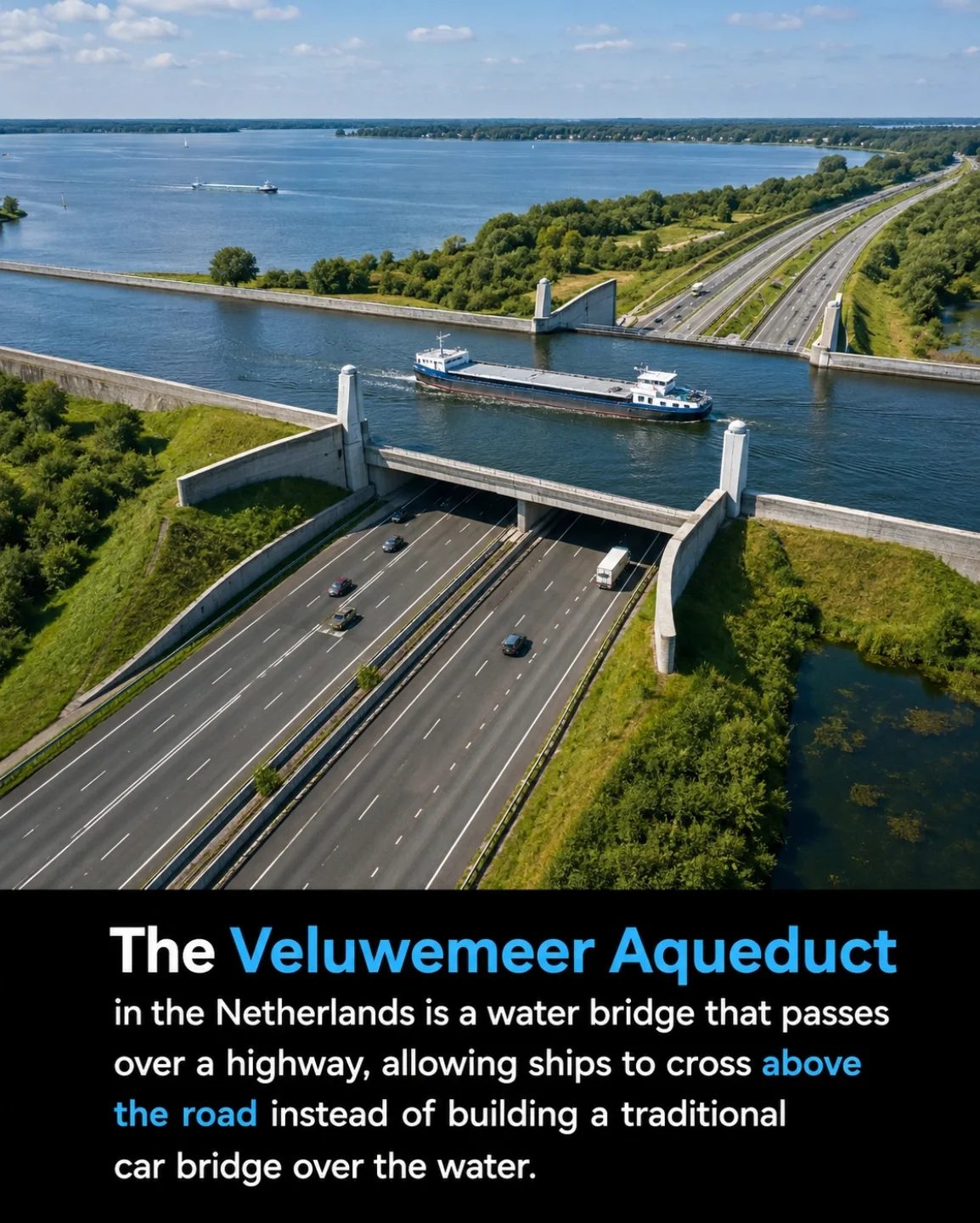
The Veluwemeer Aqueduct in the Netherlands is a marvel of modern engineering. This unique structure is designed to allow ships to pass over a highway, effectively bridging the gap between water and road traffic. By integrating a waterway with an overpass, the Veluwemeer Aqueduct provides an efficient and eco-friendly solution to a common infrastructure challenge.
Why This Matters
Aqueducts and bridges are essential for connecting communities and facilitating transportation. The Veluwemeer Aqueduct stands out for its innovative design, which not only enhances mobility but also preserves the natural environment. The design avoids the need for a traditional bridge, which would otherwise disrupt the waterway and the surrounding landscape. This makes it an important example of sustainable infrastructure.
The Design and Function
Structure and Engineering
The Veluwemeer Aqueduct is essentially a water bridge that spans over a heavily trafficked highway. This design allows ships to navigate the waterway without the need for boats to stop or wait for vehicular traffic to pass. By creating this elevated waterway, the aqueduct ensures that both ship and road traffic can operate simultaneously without interruption.
Environmental Benefits
One of the standout features of the Veluwemeer Aqueduct is its environmental impact. Traditional bridges often require the construction of support pillars that can disrupt the flow of water and the natural habitats of aquatic life. The aqueduct’s design mitigates these issues, providing a more environmentally friendly solution.
The Historical and Cultural Context
Historical Significance
The concept of an aqueduct dates back to ancient civilizations, where these structures were used to transport water over long distances. The Veluwemeer Aqueduct, however, is a modern adaptation that serves a different purpose. It showcases how historical engineering principles can be applied creatively to solve contemporary challenges.
Cultural Impact
The Netherlands is known for its innovative approaches to infrastructure. The Veluwemeer Aqueduct is a testament to the country's commitment to finding sustainable and efficient solutions. These structures not only serve practical purposes but also contribute to the cultural identity of the region, embodying the Dutch ethos of ingenuity and innovation.
Examples of Similar Structures
Magdeburg Water Bridge
While the Veluwemeer Aqueduct is unique in its design, there are other notable examples of water bridges around the world. The Magdeburg Water Bridge in Germany, for instance, is one of the longest navigable aqueducts in the world. It stretches across the Elbe River and the Mittelland Canal, providing a vital link for shipping routes.
Aqueducts in Ancient Rome
Ancient civilizations, particularly the Romans, were masters of aqueduct engineering. The Pont du Gard in France is a well-preserved example of Roman engineering. Built in the 1st century AD, it is a remarkable feat of construction, showcasing the Romans' ability to transport water over vast distances.
Practical Tips for Observing and Understanding Aqueducts
For those interested in engineering marvels like the Veluwemeer Aqueduct, here are some practical tips for observing and understanding these structures:
Visit and Observe
When visiting an aqueduct, take the time to observe how it integrates with the surrounding landscape. Notice the flow of water and how it interacts with the structure. Understanding the design and engineering principles can enhance your appreciation of the structure.
Research the History
Delve into the history of the aqueduct you are visiting. Learning about its construction, purpose, and the challenges it faced can provide valuable context. Many aqueducts have rich historical backgrounds that add to their allure.
Take Guided Tours
Many aqueducts offer guided tours that provide in-depth information about their construction and operation. These tours are often led by experts who can explain the technical details and answer any questions you may have.
Important Takeaways
The Veluwemeer Aqueduct is a testament to the power of innovative design and engineering. By allowing ships to pass over a highway, it offers a sustainable and efficient solution to a common infrastructure challenge. Its environmental benefits and historical significance make it a unique and valuable addition to the landscape of the Netherlands. Additionally similar structures around the world showcase the versatility and enduring relevance of aqueduct design.
Conclusion
The Veluwemeer Aqueduct in the Netherlands is more than just a functional piece of infrastructure. It is a symbol of innovation, sustainability, and cultural heritage. Understanding its design, function, and historical context can deepen your appreciation for this remarkable structure and the ingenuity that went into its creation. Whether you are an engineering enthusiast, a history buff, or simply someone who appreciates the beauty of well-designed infrastructure, the Veluwemeer Aqueduct is a must-see attraction.
Watch the Reel
Questions readers ask
What makes the Veluwemeer Aqueduct unique compared to other bridges?
The Veluwemeer Aqueduct is unique because it allows ships to pass over a highway, rather than having the highway pass over the water. This design minimizes disruption to the waterway and surrounding environment, making it a sustainable choice.
How does the Veluwemeer Aqueduct benefit both road and water traffic?
The aqueduct benefits both road and water traffic by providing a seamless intersection. Vehicles can travel continuously without interruption by ships, while boats can pass through without waiting for traffic to clear. This is a breakthrough in sustainable infrastructure.
Where is the Veluwemeer Aqueduct located and what is its significance?
The Veluwemeer Aqueduct is located in the Netherlands, and it serves as a crucial link in the Veluwemeer shipping route. Its significance lies in its innovative design, which sets a new standard for integrating water and road traffic.
What are the environmental benefits of the Veluwemeer Aqueduct?
The Veluwemeer Aqueduct reduces the need for traditional bridges, which can disrupt waterways and surrounding habitats. By allowing water traffic to pass over the road, it preserves the natural flow of water and minimizes ecological disruption.
How was the Veluwemeer Aqueduct constructed to achieve this unique design?
The construction involved advanced engineering techniques to build a sturdy, elevated waterway that spans the highway. This design allows the water to flow continuously while vehicles pass underneath, demonstrating Dutch engineering excellence.
Can other countries benefit from the design of the Veluwemeer Aqueduct?
Yes, the design of the Veluwemeer Aqueduct can inspire other countries facing similar challenges. Its innovative approach to integrating water and road traffic can be adapted to different settings, providing a sustainable solution for efficient transportation.
Is the Veluwemeer Aqueduct open to public viewing, and does it offer unique views?
Yes, the Veluwemeer Aqueduct is open to public viewing, and it offers a stunning aerial view. Viewers can see the unique intersection of water and road traffic, appreciating the engineering marvel from above. This makes it a popular stop for visitors and photographers.
Related deep dives
Similar reads based on topic and creator.




Recent articles
Fresh deep dives from the latest Reels we unpacked.




Comments
Be the first to comment.