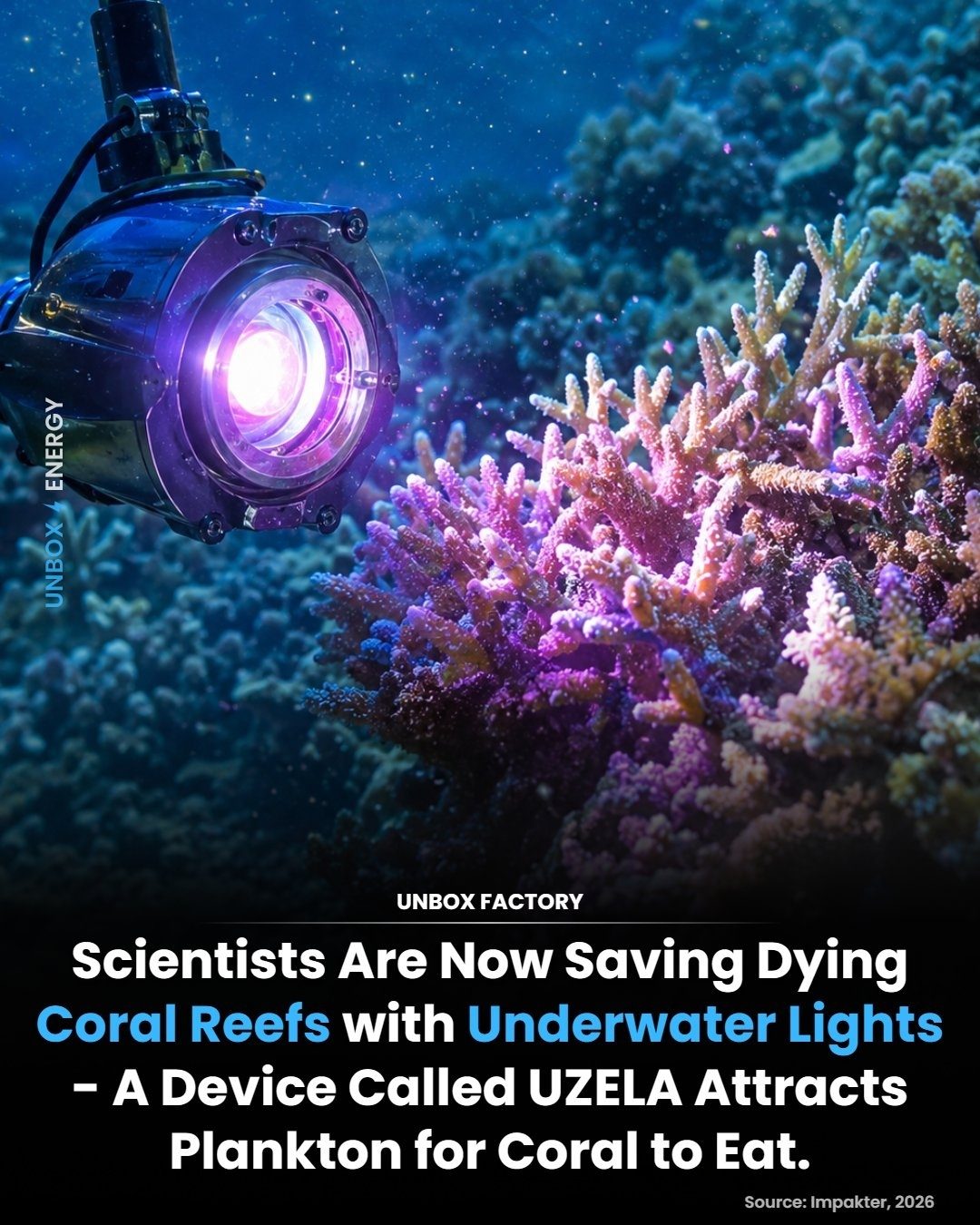
Coral Reef Conservation with Underwater Lights
Coral reefs, often called the "rainforests of the sea," are vital ecosystems that support approximately 25% of all marine species, despite covering less than 1% of the ocean floor. These underwater habitats provide food, coastal protection, and livelihoods for over one billion people worldwide. However, rising ocean temperatures and other environmental stressors have put many coral reefs at risk. In response, scientists have developed innovative technologies to help these vital ecosystems thrive. One such technology is the UZELA underwater lighting system, designed to attract zooplankton—one of corals' primary food sources.
Why This Matters
Coral reef conservation is crucial for maintaining marine biodiversity and sustaining the livelihoods of millions of people. Coral reefs act as natural barriers against storms and erosion, protecting coastal communities. They also support fisheries and ecotourism, contributing significantly to local economies. As climate change intensifies marine heat waves, the frequency of coral bleaching events increases, posing a severe threat to these delicate ecosystems. Technologies like UZELA offer a promising solution by enhancing coral resilience.
Main Discussion
The Role of Zooplankton in Coral Health
Zooplankton are microscopic organisms that drift in the ocean currents, serving as a critical food source for corals. Corals are known as carnivorous creatures, feeding on zooplankton and other tiny organisms. At night when underwater levels are dimmer, the natural light levels drop significantly, and the corals use specialized structures called polyps to capture and consume zooplankton. Unfortunately, factors like rising ocean temperatures and pollution disrupt the delicate balance, making it harder for corals to obtain sufficient food.
How UZELA Underwater Lights Work
The UZELA underwater lighting system is designed to mimic natural light conditions, attracting zooplankton to the coral reefs at night. This innovative technology uses specific wavelengths of light that are particularly effective at drawing zooplankton. By increasing the availability of food for corals, UZELA helps boost their energy reserves, making them more resilient to stressors like heat and pollution.
The Impact on Coral Energy Reserves
Coral reefs face significant challenges due to climate change, particularly coral bleaching events caused by rising ocean temperatures. Bleaching occurs when corals expel the algae living in their tissues, turning white and losing their major source of food and energy. By attracting more zooplankton, UZELA helps corals build up their energy reserves, enhancing their ability to withstand and recover from bleaching events. This increased resilience is crucial for the long-term survival of coral reefs in a changing climate.
Case Studies and Success Stories
Researchers have documented success stories where the UZELA system has been implemented in various coral reef ecosystems. In one notable case, a reef in the Pacific Ocean was equipped with UZELA lights. Over a six-month period, scientists observed a significant improvement in coral health and resilience, with fewer instances of bleaching and higher survival rates among the coral colonies. These positive results demonstrate the potential of underwater lighting systems as a valuable tool for coral reef conservation.
Practical Tips for Implementing Underwater Lighting
Site Selection and Installation
When considering the installation of underwater lighting systems like UZELA, it's essential to choose the right location. Areas with moderate current flow and minimal wave action are ideal, as they provide a stable environment for the lights and maximize zooplankton attraction. Installation should be done carefully to avoid disturbing the delicate ecosystem and ensuring the lights are securely anchored.
Lighting Configuration and Maintenance
Configuring the lights appropriately is crucial for attracting zooplankton. The UZELA system uses specific wavelengths of light that have been proven effective in drawing zooplankton to the reef. Regular maintenance is also necessary to ensure the lights remain functional and effective. Periodic checks and cleaning can prevent the buildup of algae and other organisms that may reduce the lights' efficiency.
Monitoring and Evaluation
Continuous monitoring and evaluation are essential for assessing the impact of the lighting system on coral health. Researchers should regularly collect data on coral health, zooplankton abundance, and other relevant metrics to evaluate the effectiveness of the intervention. Adjustments to the lighting configuration or other factors may be necessary based on the findings.
Important Takeaways
- Coral reefs are crucial ecosystems that support a vast array of marine species and provide essential services to coastal communities.
- Underwater lighting systems like UZELA offer a promising solution to enhance coral resilience by attracting zooplankton, a primary food source for corals.
- Increasing coral energy reserves through enhanced food availability can improve their ability to withstand bleaching events and other stressors.
- Successful implementation of underwater lighting requires careful site selection, proper installation, and regular maintenance, along with continuous monitoring and evaluation.
Conclusion
The UZELA underwater lighting system represents a significant advancement in coral reef conservation efforts. By attracting zooplankton and boosting coral energy reserves, this technology offers a practical solution to mitigate the impacts of climate change on these vital ecosystems. As marine heat waves and other environmental stressors continue to threaten coral reefs, innovative technologies like UZELA will play a crucial role in safeguarding these underwater treasures for future generations.
Watch the Reel
Questions readers ask
How do UZELA lights contribute to coral reef protection?
UZELA lights enhance coral reef protection by attracting zooplankton, a vital food source for corals. With increased food availability, corals gain better resilience against environmental stressors, such as rising ocean temperatures, thus promoting the overall health of coral reefs.
What are the benefits of using underwater illumination for corals?
Underwater illumination, such as the UZELA lights, supports coral health by drawing in zooplankton, which serves as a primary food source. This increased food availability helps corals thrive and enhances their resilience to environmental changes, ultimately promoting coral reef conservation and marine biodiversity.
Can UZELA lights help combat the effects of rising ocean temperatures on coral reefs?
Yes, UZELA lights can help mitigate the effects of rising ocean temperatures by providing a constant and reliable source of food for corals, which in turn enhances their resilience to thermal stress and promotes better coral health.
How does the use of underwater lights aid in marine biodiversity?
Underwater lights like UZELA contribute to marine biodiversity by enhancing the health and resilience of coral reefs, which are essential habitats for a wide variety of marine species. Improved coral health leads to more robust ecosystems that support a diverse range of marine life.
In what ways do UZELA lights support coastal communities?
UZELA lights support coastal communities by promoting the health and resilience of coral reefs, which act as natural barriers against storms and erosion. Healthy coral reefs also provide food and sustainable livelihoods for local populations, contributing to the economic and ecological well-being of coastal areas.
What role does zooplankton attraction play in coral reef conservation?
Zooplankton attraction is crucial for coral reef conservation as these tiny marine organisms serve as a primary food source for corals. By enhancing zooplankton abundance through technologies like UZELA lights, coral reefs receive the necessary nutrients to thrive and withstand environmental pressures.
How do UZELA lights help coral reefs thrive amidst environmental stressors?
UZELA lights support coral reefs by increasing the availability of zooplankton, which helps corals maintain their health and resilience. This enhanced food source enables corals to better withstand various environmental stressors, such as pollution, disease, and climate change, ensuring the longevity and vitality of coral reef ecosystems.
Related deep dives
Similar reads based on topic and creator.




Recent articles
Fresh deep dives from the latest Reels we unpacked.




Comments
Be the first to comment.