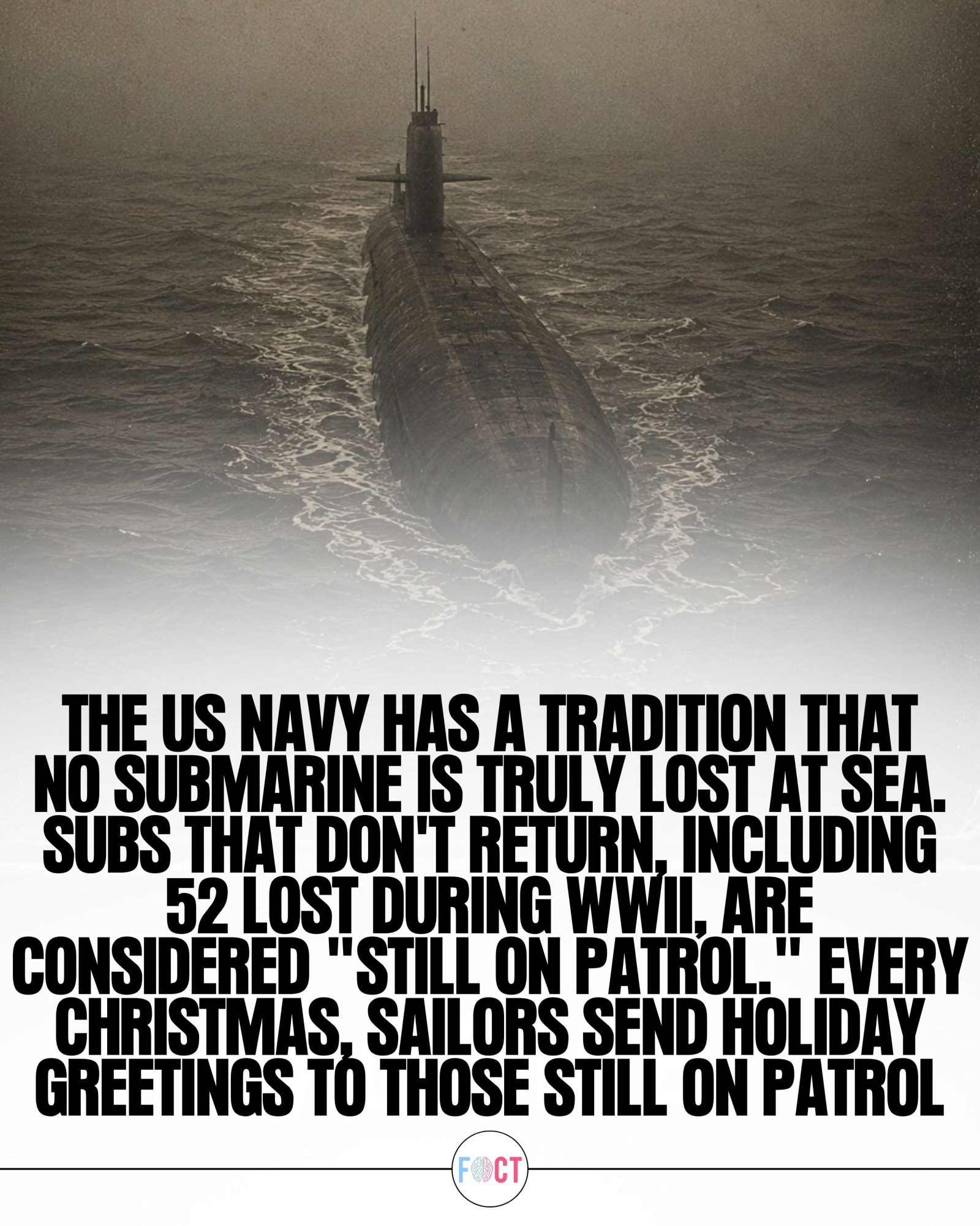
WWII Submarines Lost at Sea
The loss of submarines during wartime is a solemn and somber affair. During World War II, the U.S. Navy lost 52 submarines, a significant number that remains a poignant reminder of the sacrifices made by naval crews.
Why This Matters
The tradition of treating lost submarines as "still on patrol" is more than just a phrase; it is a reverent way for the Navy to honor those who never returned. Understanding this tradition sheds light on the close-knit community within the submarine service and the deep respect held for those who have given their lives.
Main Discussion
The Tradition of "Still on Patrol"
When a submarine disappears or sinks, the Navy officially classifies the vessel as "overdue" and eventually removes it from the Naval Register. However, within the submarine community, there is an unofficial tradition of considering these lost submarines as "still on patrol." This phrase is a way to honor the crews and acknowledge that their duties, though ended in tragedy, are forever remembered.
The 52 Lost Submarines of WWII
Of the 52 submarines lost during World War II, several were among the most decorated and capable vessels of the U.S. Navy. These submarines played critical roles in the Pacific Theater, engaging in dangerous and often deadly missions. The crews of these vessels were heroes, and their loss is deeply felt by the submarine community.
The Lost Boat Ceremonies
The Navy commemorates these missing sailors through formal "Lost Boat Ceremonies" and memorial events. During these ceremonies, a bell is solemnly rung for each vessel lost, in chronological order. This solemn tradition serves as a poignant reminder of the sacrifices made and the ongoing duty of those who serve.
Christmas Greetings to the "Still on Patrol"
Every Christmas, sailors send holiday greetings to those submarines that are "still on patrol." This tradition is a way to keep the memory of these lost vessels and their crews alive. It is a poignant reminder that, though the submarines are gone, their spirit and the sacrifices of their crews are still honored.
The Psychological Impact
The tradition of considering lost submarines "still on patrol" has a profound psychological impact on the submarine community. It provides a sense of continuity and a way to cope with the loss. It reinforces the idea that the missing sailors are not truly gone but are still part of the community, still on a mission.
How It Holds the Community Together
The close-knit submarine community embraces this tradition as a way to hold the community together. It creates a bond that extends beyond the living and connects with the past, honoring those who have served and those who continue to serve.
The Difference Between Active and Lost Submarines
It's crucial to note that active communications networks do broadcast holiday cheer across the globe, but these transmissions are strictly directed toward living, actively deployed service members stationed away from their families. The holiday greetings sent to the "still on patrol" submarines are a unique tradition, distinctly separate from the broader holiday communications.
The Permanent War Graves
The deep-sea wreckages of these submarines are treated as permanent war graves. This means that the crews' duties, though ended in tragedy, are forever remembered and honored. The tradition of considering these boats "still on patrol" is a way to keep the memory of these sailors alive and to honor their sacrifices.
Practical Tips
Understanding these traditions can offer insight into the broader principles of naval history and the symbolism within the submarine community. For those researching naval history, appreciating the nuances of these traditions can deepen the connection to the period and the sacrifices made.
Engaging with Naval History
To engage with this history, consider visiting naval museums or memorials. Many of these sites have exhibits dedicated to the submarines lost during World War II. These exhibits often include stories of the crews and the missions they undertook.
Reading Naval Literature
Reading literature about naval history, particularly about the submarine service, can offer a deeper understanding of these traditions. Books that detail the lives and missions of submarine crews provide a personal and emotional connection to the history.
Connecting with Veterans
For those with a personal connection to the naval service, talking to veterans who served on submarines during World War II can offer a unique perspective. Many veterans have stories to share and are willing to discuss the traditions and the lives of those who have been lost.
Important Takeaways
WWII submarines lost at sea are more than just historical artifacts. They are a reminder of the sacrifices made by naval crews and the traditions that keep their memory alive.
- The tradition of considering lost submarines "still on patrol" is a reverent way to honor the crews and acknowledge their ongoing mission.
- The 52 submarines lost during World War II played critical roles in the Pacific Theater.
- Christmas greetings to the "still on patrol" submarines is a unique and poignant tradition.
- The psychological impact of this tradition is profound, providing a sense of continuity and a way to cope with loss.
- Engaging with naval history, literature, and veterans can deepen the understanding of these traditions.
Conclusion
The tradition of considering lost submarines "still on patrol" is a testament to the Navy's respect for its fallen sailors. It is a way to keep the memory of these sailors and their missions alive, acknowledging their sacrifices and honoring their ongoing duty. This tradition is a poignant reminder of the resilience and unity within the submarine community, a community that continues to honor and remember those who have given their lives in service.
Watch the Reel
Questions readers ask
What does the phrase 'still on patrol' signify in the context of the US Navy's tradition?
The phrase 'still on patrol' is a reverent way for the US Navy to honor the 52 submarines lost during World War II. It symbolizes that those submarines and their crews are always remembered and that their service and sacrifice continue to be recognized.
How many submarines did the US Navy lose during World War II?
The US Navy lost 52 submarines during World War II. Each of these losses is a poignant reminder of the sacrifices made by naval crews during the war.
What happens to a submarine when it is officially classified as 'overdue' by the Navy?
When a submarine is classified as 'overdue,' it means that the Navy has lost contact with the vessel and it is believed to have been lost at sea. Eventually, the submarine is removed from the Naval Register, but the tradition of remembering it as 'still on patrol' continues.
Why is the submarine service known for its close-knit community?
The submarine service is known for its close-knit community due to the unique bonds formed among crew members who serve together in confined spaces. This community is strengthened by the shared experiences and the tradition of honoring those who have been lost.
Are there any memorials dedicated to the WWII submarines lost at sea?
Yes, there are several memorials dedicated to the WWII submarines lost at sea. These memorials serve as tangible reminders of the sacrifices made by the submarine crews and help to keep their legacy alive.
How does the US Navy honor the legacy of those lost at sea?
The US Navy honors the legacy of those lost at sea through various traditions, including keeping the lost submarines 'still on patrol.' This practice ensures that the sacrifices of the submarine crews are never forgotten and that their service is continually respected.
Related deep dives
Similar reads based on topic and creator.



Recent articles
Fresh deep dives from the latest Reels we unpacked.




Comments
Be the first to comment.