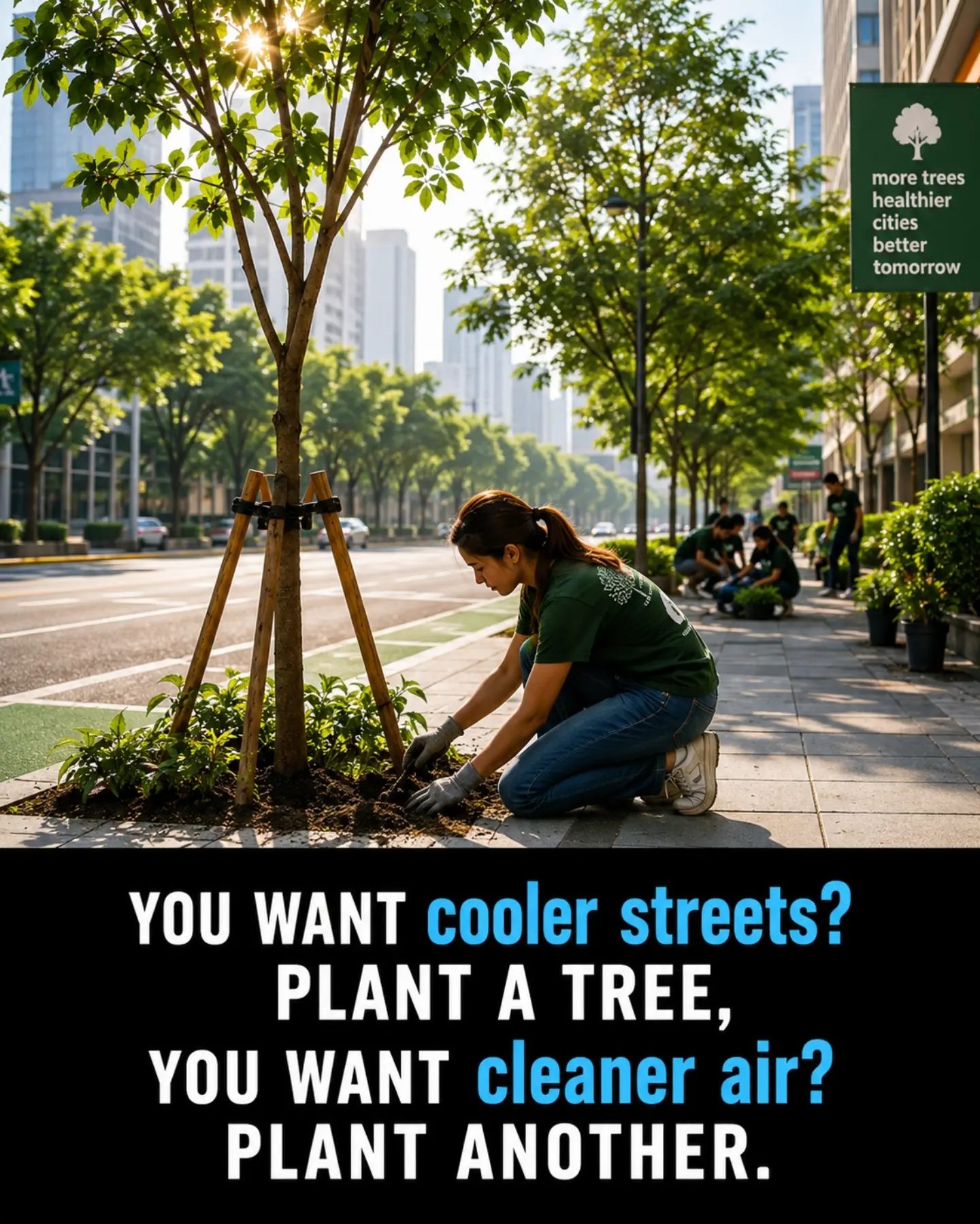
Tree Planting Initiatives: Greening Urban Spaces for a Better Tomorrow
Tree-planting initiatives in urban areas are more than just aesthetic enhancements; they are critical components of creating healthier, more livable cities. By strategically planting trees in urban environments, communities can address a variety of environmental and social issues, from cooling streets to improving air quality. This effort not only beautifies cityscapes but also contributes to the overall well-being of residents.
Greening Urban Landscapes
Urban areas often suffer from the "heat island" effect, where built-up areas are significantly warmer than their rural surroundings. This phenomenon is exacerbated by the lack of vegetation and the abundance of concrete and asphalt, which absorb and radiate heat. Planting trees in urban settings can help mitigate this effect by providing natural shade and cooling through evapotranspiration, the process by which trees release water vapor into the atmosphere. This cooling effect can lower local temperatures, making streets more comfortable and reducing the demand for energy-intensive air conditioning.
Cleaner Air for Healthier Cities
Trees play a vital role in improving air quality. They act as natural air filters, absorbing pollutants such as carbon dioxide, sulfur dioxide, and nitrogen oxides, and releasing oxygen. This process helps to reduce the levels of harmful pollutants in the air, which is particularly beneficial in densely populated urban areas where air pollution is a significant health concern. By planting more trees, cities can create healthier environments for their residents, reducing the incidence of respiratory diseases and other health issues related to poor air quality.
Benefits Beyond the Environment
The benefits of tree-planting initiatives extend beyond environmental improvements. Trees contribute to the social and economic well-being of urban communities. Greener spaces can enhance the aesthetic appeal of neighborhoods, making them more attractive to residents and visitors alike. This can lead to increased property values and a boost in local economic activity. Additionally, urban greenery provides spaces for recreation and community engagement, fostering a sense of belonging and pride among residents.
Community Involvement
Community involvement is a key aspect of successful tree-planting initiatives. When residents are actively engaged in planting and caring for trees, they develop a stronger connection to their environment and a greater sense of ownership. This involvement can lead to increased stewardship and long-term care for the urban forest, ensuring that the benefits of tree planting are sustained over time. Community-driven initiatives also provide educational opportunities, teaching residents about the importance of trees and the role they play in urban ecosystems.
Challenges and Solutions
While the benefits of tree-planting initiatives are numerous, there are also challenges to consider. Limited space, soil quality, and maintenance are common obstacles. However, these challenges can be addressed through strategic planning and innovative solutions. For example, urban planners can identify suitable locations for tree planting, such as along streets, in parks, and on rooftops. Additionally, using urban-specific tree species that are adapted to the local climate and soil conditions can improve the chances of successful growth. Regular maintenance, including pruning, watering, and pest control, is essential to ensure the long-term health of urban trees.
Practical Tips for Urban Tree Planting
Starting a tree-planting initiative in your urban community involves several practical steps. Here are some tips to get you started:
Choosing the Right Species
Select tree species that are well-suited to urban environments. Look for trees that are resistant to pests and diseases, tolerant of pollution, and adaptable to limited soil conditions. Native species are often a good choice, as they are already adapted to the local climate and support local biodiversity.
Site Selection
Identify suitable locations for planting. Consider factors such as available space, soil quality, and proximity to water sources. Planting along streets, in parks, and in community gardens can maximize the benefits of urban trees.
Engaging the Community
Engage the community in the planning and implementation of the initiative. Organize workshops, volunteer days, and educational sessions to raise awareness and encourage participation. Community involvement not only ensures the success of the initiative but also fosters a sense of ownership and stewardship.
Maintenance and Care
Regular maintenance is crucial for the long-term health of urban trees. Develop a maintenance plan that includes pruning, watering, and pest control. Encourage community members to take responsibility for the care of the trees, creating a network of caretakers who can ensure the trees thrive.
Important Takeaways
Tree-planting initiatives offer a multitude of benefits for urban environments, from cooling streets to improving air quality and enhancing community well-being. By strategically planting trees and engaging the community, cities can create healthier, more livable spaces. However, it is essential to address the challenges associated with urban tree planting, such as limited space and maintenance, through careful planning and innovative solutions. With the right approach, tree-planting initiatives can contribute to a better tomorrow for urban residents and the planet.
Conclusion
Urban tree-planting initiatives are a powerful tool for creating healthier, more sustainable cities. By understanding the benefits, addressing the challenges, and engaging the community, we can transform urban landscapes into thriving green spaces. Whether you are a resident, a community organizer, or a city planner, there are numerous ways to get involved and contribute to a greener, healthier future.
Watch the Reel
Questions readers ask
How do urban tree-planting initiatives help reduce the heat island effect?
Urban tree-planting initiatives mitigate the heat island effect by providing natural shade and cooling the air through evapotranspiration. Trees absorb solar radiation and release water vapor, creating a cooling effect that can lower surface and air temperatures in urban areas.
What are the primary benefits of improving air quality through urban forestry?
Improving air quality through urban forestry helps reduce pollutants such as ozone, particulate matter, and nitrogen oxides. Trees absorb these harmful substances, releasing clean oxygen in return. This contributes to healthier respiratory conditions for urban residents, particularly those with asthma or other respiratory issues.
How can community involvement enhance the success of city greening initiatives?
Community involvement is crucial for the success of city greening initiatives. Local residents can help by planting and maintaining trees, participating in urban gardening groups, and advocating for green spaces. This collective effort ensures that the trees are well-cared for and that the initiatives remain sustainable over the long term.
What role do green urban spaces play in enhancing community well-being?
Green urban spaces, such as parks and tree-lined streets, enhance community well-being by providing areas for recreation, social interaction, and mental relaxation. These spaces promote physical activity, reduce stress, and foster a sense of community, making cities more inviting and enjoyable places to live.
How can planting trees in cities contribute to improving mental health?
Planting trees in cities can contribute to improving mental health by creating peaceful, natural environments that reduce stress and anxiety. Exposure to green spaces has been linked to lower levels of depression and improved overall mental well-being. Trees provide a calming presence and a connection to nature within urban landscapes.
Related deep dives
Similar reads based on topic and creator.




Recent articles
Fresh deep dives from the latest Reels we unpacked.




Comments
Be the first to comment.