Wildlife Conservation: Tennis Balls Get a Second Life
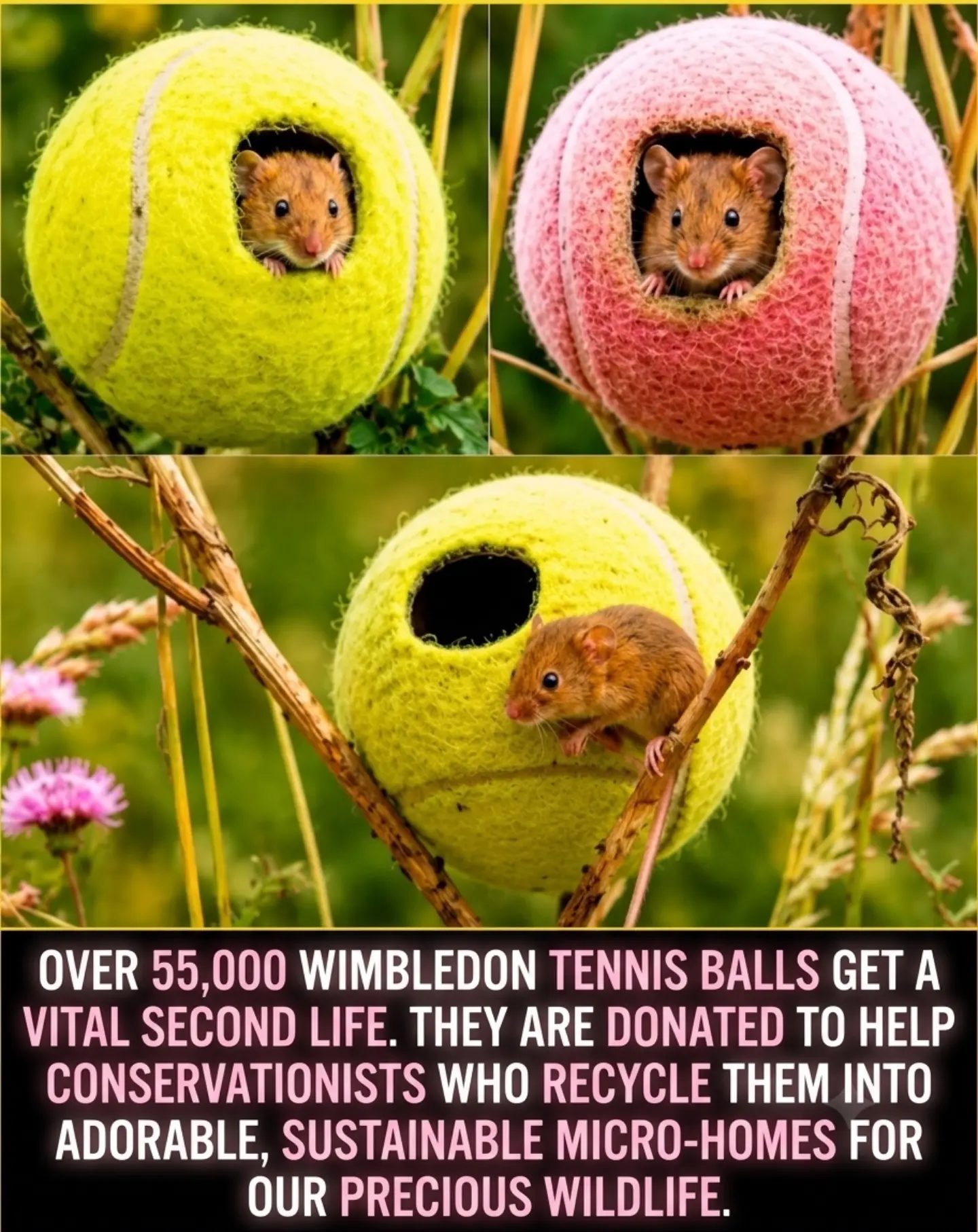
Every year, the Wimbledon tennis tournament generates a significant amount of tennis balls, with around 55,000 used throughout the event. Instead of discarding these balls after the tournament, a unique and sustainable initiative in the UK has found a way to give them a second life. These balls are repurposed into weatherproof micro-homes for harvest mice, providing a cozy and secure habitat for these small creatures.
Context: Why This Matters
Harvest mice, among the smallest and cutest of Britain's native creatures, face numerous challenges in their natural habitats. Traditional nesting sites can be hard to come by, and human activity and weather conditions can further threaten their survival. Conservation efforts like this one are crucial for maintaining and even enhancing the local wildlife populations.
The Initiative: Turning Tennis Balls into Wildlife Homes
The initiative involves drilling small holes into the used tennis balls to create micro-homes for harvest mice. These tiny dwellings are not only cute and quirky but also serve a significant purpose. The upcycled tennis balls make for durable and weatherproof spaces that protect the mice from predators and harsh weather conditions.
How It Works
The process of converting tennis balls into wildlife homes is straightforward. Conservationists drill small entrance holes into the balls, ensuring they are just the right size for harvest mice to enter and exit comfortably. The balls are then placed in strategic locations where the mice can find them and move in.
Benefits for Wildlife
These micro-homes provide several crucial benefits to the wildlife.
Shelter and Protection
The upcycled tennis balls offer shelter from the elements and protection from predators. The design ensures that the micro-homes are flood-proof and predator-safe, providing a secure environment for the mice to raise their young.
Environmental Impact
This initiative also has a positive environmental impact. By repurposing used tennis balls, conservationists reduce waste and promote sustainable practices. Instead of ending up in landfills, these balls are given a new purpose, contributing to a cleaner environment.
Practical Tips
If you're inspired by this initiative and want to contribute to wildlife conservation in your own way, here are some practical tips:
Start Small
You don't need a large-scale operation to make a difference. Start with small steps, like repurposing items you already have. For example, if you have old or discarded items that could be turned into wildlife homes, consider doing so.
Get Creative
Think creatively about how you can use common items to help wildlife. For instance, old birdhouses or even hollow logs can be repurposed into homes for small animals.
Engage Your Community
Involve your friends, family, and community in your conservation efforts. Group initiatives can have a more significant impact and foster a sense of collective responsibility towards wildlife conservation.
Use Sustainable Materials
When choosing materials, opt for sustainable and eco-friendly options. This not only helps the environment but also ensures that the wildlife homes you create are safe and durable.
Important Takeaways
This initiative highlights the importance of creative problem-solving and sustainability in wildlife conservation. By repurposing used tennis balls into micro-homes, conservationists have found a practical and eco-friendly solution to a real problem. This approach not only benefits the wildlife but also sets a precedent for innovative and sustainable practices. The micro-homes provide a cozy and secure habitat for harvest mice, helping to protect one of nature’s smallest and sweetest creatures.
Every year, around 55,000 tennis balls are used in Wimbledon, illustrating the potential scale and impact of such initiatives. By donating these balls to create adorable and sustainable habitats, we can make a significant difference in wildlife conservation.
Conclusion
The creative use of used tennis balls to create micro-homes for wildlife is a testament to the power of innovative and sustainable practices. This initiative showcases how simple actions can have a significant impact on the environment and wildlife. It serves as an inspiration for anyone looking to contribute to conservation efforts in their own unique way. By repurposing common items and promoting sustainable practices, we can create a better world for all creatures, big and small.
Watch the Reel
Questions readers ask
How many tennis balls from Wimbledon are upcycled into wildlife shelters each year?
Approximately 55,000 tennis balls from Wimbledon are upcycled into wildlife shelters each year. This initiative not only reduces waste but also creates much-needed habitats for small creatures like harvest mice.
What type of wildlife benefits from the upcycled Wimbledon tennis balls?
The primary beneficiaries of these upcycled tennis ball habitats are harvest mice. These small creatures often struggle to find suitable nesting sites, and the weatherproof micro-homes provide them with much-needed shelter and protection.
What challenges do harvest mice face in their natural habitats?
Harvest mice face several challenges, including a scarcity of traditional nesting sites and threats from human activities and weather conditions. These issues can significantly impact their survival, making initiatives like the upcycled tennis ball habitats all the more important.
How are the tennis balls transformed into micro-homes for wildlife?
The process involves repurposing the durable and weatherproof tennis balls into small, secure habitats. These micro-homes are designed to mimic natural nesting sites, offering harvest mice a safe and cozy space to live and thrive in the wild.
What makes the upcycled tennis ball habitats beneficial for the environment?
The upcycled tennis ball habitats are beneficial for the environment because they reduce waste by giving used tennis balls a second life. Additionally, they support local wildlife populations by providing essential shelters, thereby promoting biodiversity and sustainability in the UK.
Related deep dives
Similar reads based on topic and creator.


Recent articles
Fresh deep dives from the latest Reels we unpacked.




Comments
Be the first to comment.