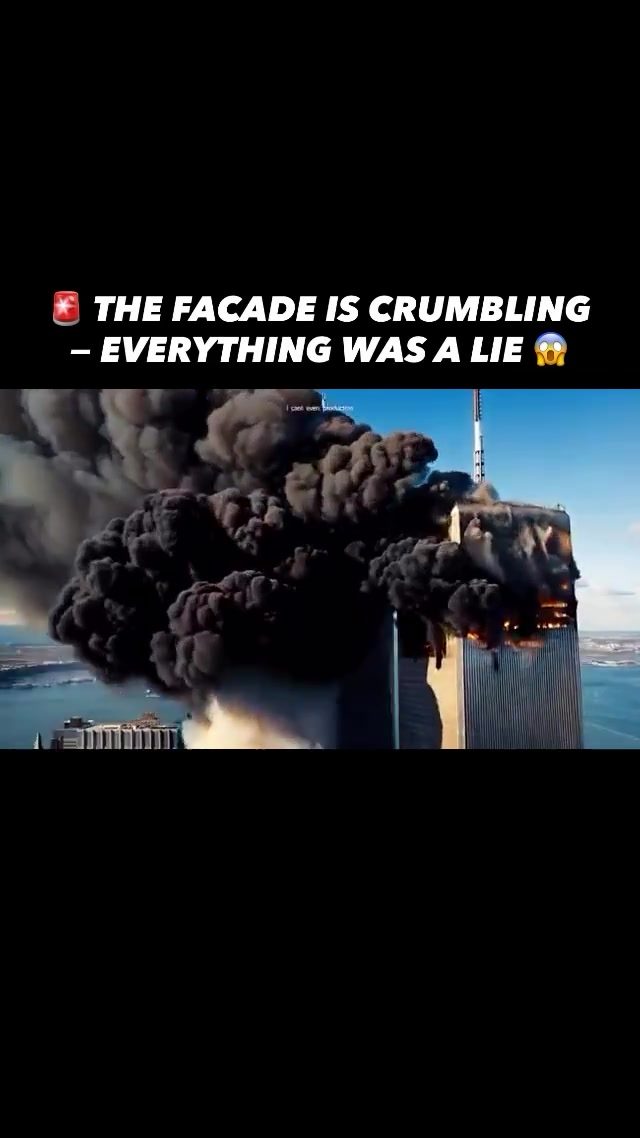
Historical Footage and the Truth Behind Deception
Deception, conspiracy, and hidden truths make up the narrative of historical footage. The message is clear: the facade is crumbling, and everything we've been told is a lie.
Why This Matters
The world has long been shaped by narratives delivered through institutions, media, and experts. But the narrative is changing. With the rise of digital media and the internet, people are questioning the narratives they've been fed. Images of collapse, military operations, and emergency responses are being re-examined.
Historical Footage: A Closer Look
The Collapse of Institutions
Historical footage shows buildings collapsing under the weight of truth. The once-reliable institutions are crumbling. They are seen in a new light — as structures built on lies. The narrative has shifted from the reliability of institutions to the revelation of their fragility. The footage highlights the instability of these institutions, showing them as structures that can be taken down with the truth.
Military Operations and Emergency Responses
Military operations and emergency responses are depicted in a new way. Previously seen as necessary actions, they are now being questioned. People are starting to see these operations as part of a larger narrative of deception. The footage shows military operations and emergency responses as controlled events, designed to keep people in the dark.
Historical Narratives and Deception
The narrative of historical events is being re-examined. The footage shows significant events that have shaped the world, but it also suggests that these events are not as straightforward as they seem. The narrative of historical events is being questioned, and people are starting to see the deception behind them.
Questions About the Narrative
Who Are the Experts?
The narrative of historical events is built on the authority of experts. But who are they? The footage suggests that the experts are not as reliable as they seem. They are part of the system, and their narratives are designed to keep people in the dark.
What Is the Truth?
The truth is a complicated concept. The footage suggests that the truth is not slowly rising — it’s already here. People are starting to see the truth for what it is, and it’s not pretty. The truth is a harsh reality, and it’s time to face it.
Practical Tips
Questioning the Narrative
The first step in questioning the narrative is to question the source. Who is delivering the narrative, and what is their motive? Is the narrative designed to keep people in the dark, or is it designed to enlighten them?
Re-Examining Historical Events
The next step is to re-examine historical events. Look at the footage, and ask yourself: Is this event as straightforward as it seems? What is the hidden truth behind it?
Seeking the Truth
The final step is to seek the truth. The truth is out there, and it’s time to find it. The truth is not slowly rising — it’s already here. It’s time to face it.
Important Takeaways
The facade is crumbling, and the truth is shining through. The narrative of historical events is being re-examined, and people are starting to see the deception behind it. The institutions, the media, the experts — they are all part of the system, and their narratives are designed to keep people in the dark. But the truth is out there, and it’s time to find it.
Conclusion
The narrative of historical events is being re-examined, and people are starting to see the truth. The institutions, the media, the experts — they are all part of the system, and their narratives are designed to keep people in the dark. But the truth is out there, and it’s time to find it. The facade is crumbling, and it’s time to face the truth. The truth is a harsh reality, and it’s time to embrace it.
Watch the Reel
Questions readers ask
How has historical footage contributed to the debate on institutional collapses?
Historical footage has provided visual evidence that challenges official narratives surrounding institutional collapses. By closely analyzing these videos, viewers can identify inconsistencies and anomalies that raise questions about the true causes and circumstances behind these events.
What role does media play in shaping our understanding of historical events?
Media has long been a powerful tool in shaping public perception of historical events. However, with the rise of digital media, viewers are becoming more adept at identifying manipulation techniques and bias, leading to a reevaluation of traditional sources and narratives.
Why are military operations often shrouded in deception?
Military operations are frequently surrounded by deception due to strategic and political reasons. Governments and military leaders may employ misinformation to gain tactical advantages, protect sensitive information, or influence public opinion, but this can lead to a distorted view of historical events and thus has been a source of frustration for many historians.
How have emergency responses been portrayed in historical footage, and why are they important to analyze?
Emergency responses in historical footage often highlight inefficiencies or questionable decisions, which can be vital clues in understanding the larger narrative of an event. Analyzing these responses helps in recognizing patterns of misinformation and understanding the true impact of emergencies.
What are some common signs of deception in historical footage?
Common signs of deception in historical footage include inconsistencies in the timeline of events, contradictory witness accounts, altered or staged visuals, and biased reporting. Viewers should also look for unexplained edits, unusual camera angles, or lack of footage from multiple sources.
How can digital media help in challenging traditional historical narratives?
Digital media allows for widespread access to information, enabling viewers to cross-reference and verify historical accounts. It also provides a platform for open discussion, allowing experts and amateurs alike to share insights, question traditional narratives, and propose alternative explanations. This democratization of information has led to a more informed and skeptical public.
Related deep dives
Similar reads based on topic and creator.



Recent articles
Fresh deep dives from the latest Reels we unpacked.




Comments
Be the first to comment.