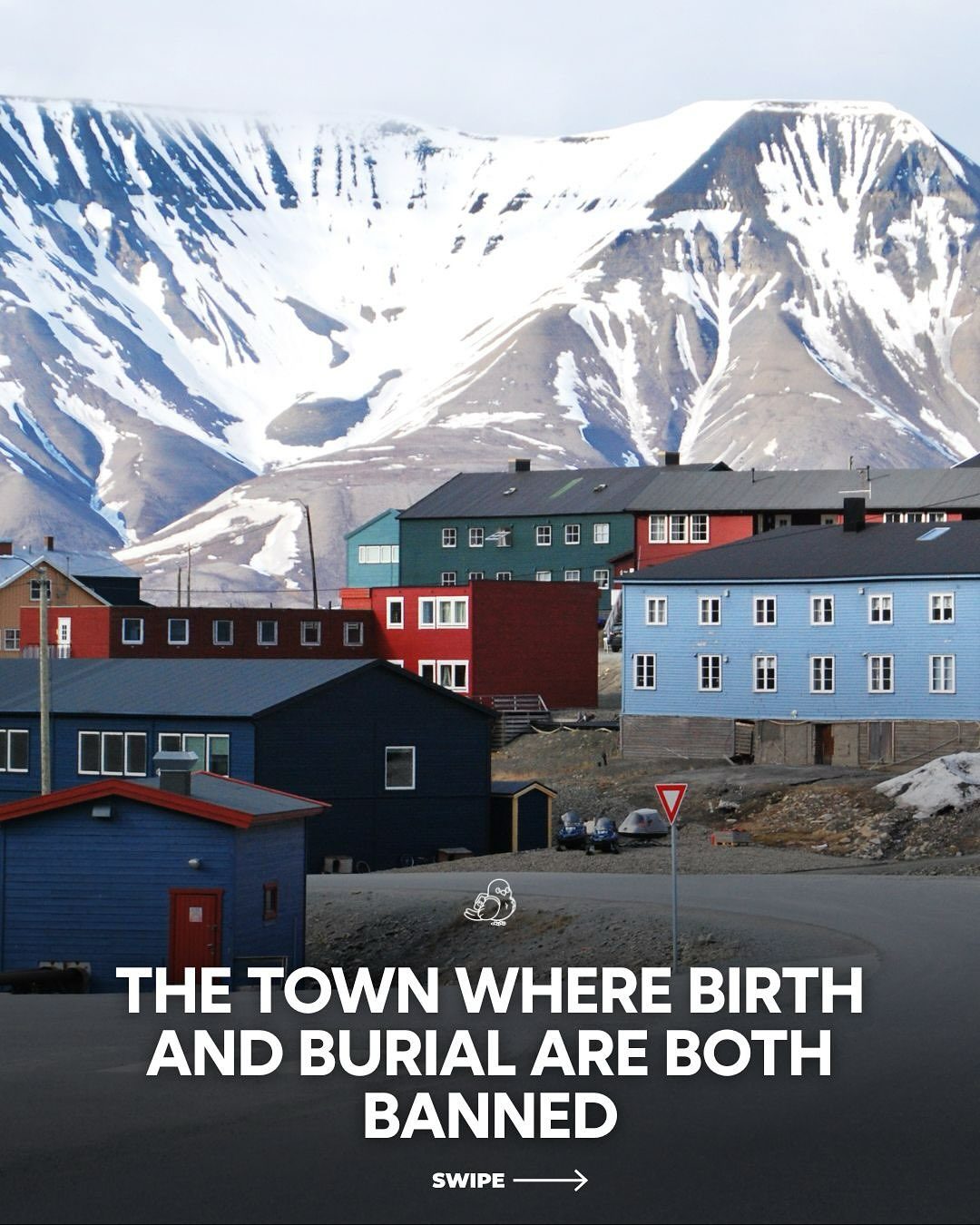
Longyearbyen, Norway
Nestled in the remote Svalbard archipelago, Longyearbyen is one of the world's northernmost settlements. This town is a stark contrast to typical urban landscapes, with its extreme Arctic conditions and unusual regulations. The ground here is permanently frozen, a condition known as permafrost. This makes burials impossible, as bodies don't decompose properly in such cold temperatures. In fact, scientists have discovered preserved viruses in bodies buried decades ago, highlighting the potential health risks. Consequently, anyone who passes away in Longyearbyen is flown to mainland Norway for burial.
But the restrictions don't stop at burials. Pregnant women are also required to leave the town weeks before their due date. The harsh winter conditions and lack of a maternity ward make it impractical to give birth in Longyearbyen. This, combined with months of total darkness in winter and 24-hour sunlight in summer, creates one of the most fascinating and extreme environments on Earth.
Why This Matters
Understanding Longyearbyen's unique circumstances offers a deeper appreciation for the challenges and adaptations required to live in such an extreme environment. The town's regulations are not merely curious facts but are practical responses to the harsh realities of Arctic life. These rules ensure the safety and well-being of the residents, preventing potential health risks from decomposed bodies and ensuring the safety of mothers and their newborns.
Living in a place where the ground is permanently frozen, the days are either perpetually dark or light, and burials and births are banned requires a significant level of adaptation. This makes Longyearbyen a study in human resilience and the extremes of our planet.
The Unique Regulations of Longyearbyen
Burial Restrictions
The most striking aspect of Longyearbyen is its burial restrictions. Due to the permafrost, bodies do not decompose as they would in warmer climates. This poses a significant health risk, as viruses and bacteria can remain active for decades. To mitigate this risk, anyone who passes away in Longyearbyen is flown to mainland Norway for burial. This ensures that the town remains safe and free from potential health hazards.
Birth Restrictions
Similar to the burial restrictions, giving birth in Longyearbyen is also prohibited. The absence of a maternity ward and the harsh winter conditions make it impractical and unsafe for pregnant women to deliver their babies in the town. Consequently, pregnant women are required to leave weeks before their due date to deliver elsewhere. This regulation ensures the safety of both the mother and the child, as well as the medical resources available in the town.
The Climate and Environment
Longyearbyen's climate is as extreme as its regulations. The town experiences months of total darkness in winter and 24-hour sunlight in summer. This phenomenon, known as polar night and midnight sun, creates a unique and challenging environment for its residents. The extreme temperatures and lack of sunlight in winter can be difficult to endure, requiring significant adaptations in daily life. Conversely, the constant sunlight in summer can disrupt sleep patterns and affect mental well-being.
The snowy, mountainous landscape adds to the town's unique charm. The colorful houses nestled amongst the snowy peaks create a picturesque scene, offering a stark contrast to the harsh conditions. Despite the challenges, Longyearbyen has developed a strong sense of community, with residents supporting each other through the unique challenges of Arctic life.
Practical Tips for Visiting Longyearbyen
Visiting Longyearbyen is an adventure of a lifetime, but it requires careful planning. Here are some practical tips to help you prepare for your trip:
When to Visit
The best time to visit Longyearbyen depends on your preferences. If you enjoy the midnight sun and long days, summer is the perfect time. However, if you prefer the polar night and the Northern Lights, winter is ideal. Keep in mind that winter conditions can be harsh, so be prepared with appropriate gear.
What to Pack
Packing for Longyearbyen requires careful consideration of the extreme conditions. Essential items include:
- Warm Clothing: Layered clothing, thermal underwear, insulated jackets, and waterproof outerwear.
- Sturdy Boots: Warm, waterproof boots with good grip for walking on snow and ice.
- Sun Protection: Sunglasses, sunscreen, and a hat, especially during the summer months when the sun is constant.
- Headlamp: For navigating during the polar night when it's constantly dark.
Activities to Enjoy
Longyearbyen offers a variety of activities for visitors. From dog-sledding and snowmobiling to hiking and wildlife spotting, there's something for everyone. The town also has a museum and a cultural center where you can learn more about the history and culture of the region.
Important Takeaways
Longyearbyen is a testament to human resilience and adaptability. The town's unique regulations and harsh climate create a challenging environment, but the community thrives by embracing these conditions. Visiting Longyearbyen offers a unique opportunity to experience one of the most extreme and fascinating places on Earth. By understanding the town's regulations and preparing for the challenges, visitors can fully immerse themselves in this Arctic adventure.
Conclusion
Longyearbyen, Norway, is more than just a remote Arctic settlement. It is a place of extremes, where the challenges of Arctic life are met with resilience and innovation. The town's unique regulations, from the ban on burials to the restrictions on births, highlight the practical responses to the harsh environment. Despite the challenges, Longyearbyen offers a unique and captivating experience for visitors. Whether you're drawn to the polar night or the midnight sun, the town promises an unforgettable adventure.
Watch the Reel
Questions readers ask
Why are burials prohibited in Longyearbyen?
Longyearbyen's permafrost conditions prevent proper body decomposition, and the risk of viruses preserved in the ice poses a health threat. This is why anyone who passes away in Longyearbyen must be sent to mainland Norway for burial.
What are the rules for pregnant women in Longyearbyen?
Pregnant women must leave Longyearbyen before their expected due date. This is due to harsh winter conditions, and the lack of advanced medical facilities in the remote Arctic town.
What makes Longyearbyen's laws unique compared to other Norwegian towns?
Longyearbyen's laws differ from other Norwegian towns due to its extreme environment and remote location. The town's permafrost, Arctic weather, and isolation necessitate specific regulations, such as burial and pregnancy restrictions.
Why is Longyearbyen considered one of the world's northernmost settlements?
Longyearbyen is located in the Svalbard archipelago, which is north of the Arctic Circle. Its latitude of over 78 degrees north makes it one of the world's northernmost settlements, with extreme winter conditions and months of polar night.
What is the significance of the permafrost in Longyearbyen's regulations?
Longyearbyen's permafrost is a defining factor in its regulations. It prevents proper decomposition of organic materials, including bodies, and can preserve viruses for long periods. This is why burials are banned, and deceased individuals must be transported to mainland Norway.
Related deep dives
Similar reads based on topic and creator.




Recent articles
Fresh deep dives from the latest Reels we unpacked.



Comments
Be the first to comment.