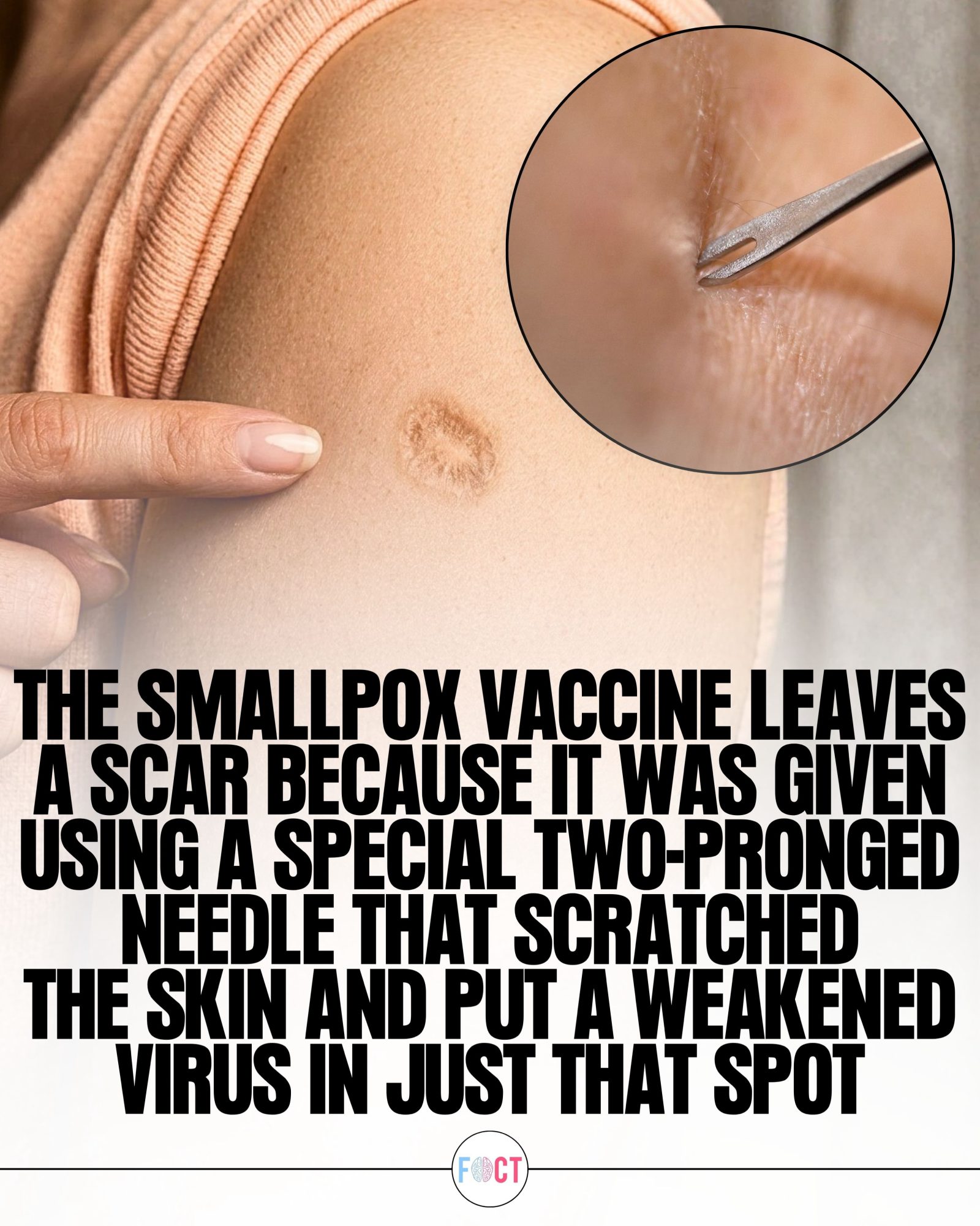
The Distinctive Scar of the Smallpox Vaccine
The smallpox vaccine, a critical tool in the global eradication of the disease, is renowned for leaving a distinctive scar. This peculiar mark is a visible reminder of both the vaccine's administration method and its historical significance.
Why This Matters
Understanding the origins and methods of the smallpox vaccine is more than just a historical curiosity. It provides insights into the evolution of vaccination techniques and underscores the global effort to eradicate deadly diseases. The distinctive scar serves as a physical record of a period when smallpox was a significant global health threat. Knowing the process behind this scar enhances appreciation for the medical advancements that have led to its eradication.
The Historical Administration Method
The Specialized Needle
Central to the smallpox vaccination process was a specialized bifurcated, two-pronged needle. Unlike standard injection needles, this tool was designed to scratch the skin multiple times in a precise manner. The needle's double-pronged design allowed for efficient delivery of the vaccine into the skin. This unique method ensured that the weakened vaccinia virus was introduced directly into the skin, triggering a localized infection.
The Scratching Technique
Medical professionals used this needle to rapidly scratch the skin multiple times. This technique was deliberate and different from the typical shallow injection. By scratching the skin, the weakened vaccinia virus was introduced into a localized spot, triggering a minor infection. This localized infection formed a characteristic blister that eventually healed into a permanent indentation on the skin.
The Formation of the Scar
The characteristic smallpox vaccine scar is the result of this unique immunization method. The localized skin puncturing led to a controlled, minor infection. This infection formed a blister at the site of the scratch, which eventually healed, leaving a permanent skin indentation. This scar is a testament to the body's immune response to the weakened virus and the effectiveness of the vaccination process.
The Significance of the Scar
The scar left by the smallpox vaccine is more than just a physical mark; it is a symbol of global health triumph. This distinctive scar is evidence of the successful vaccination campaign that eventually led to the eradication of smallpox. The process involved millions of people worldwide, and the scar serves as a physical reminder of this monumental public health achievement.
Global Eradication Efforts
The smallpox vaccination campaign was a global effort that required meticulous planning and execution. Medical professionals administered the vaccine using the specialized bifurcated, two-pronged needle, ensuring that the weakened vaccinia virus was delivered effectively. The resulting scar is a testament to the success of this campaign, which led to the complete eradication of smallpox in 1980.
The Physical Imprint
The scar left by the smallpox vaccine is a unique physical imprint that holds historical and medical significance. It is a visible record of the body's response to the weakened virus and the effectiveness of the vaccination process. For many, this scar serves as a personal reminder of the historic efforts to eradicate smallpox and the importance of vaccination in maintaining public health.
Practical Tips for Understanding Vaccine Administration
Historical Context
Understanding the smallpox vaccination process provides valuable insights into the evolution of vaccination techniques. Modern vaccination methods have evolved significantly, but the principles behind the smallpox vaccine—such as the use of a weakened virus and the importance of delivering it effectively—remain relevant. This historical context can help appreciate the developments in vaccination technology and the ongoing efforts to eradicate other diseases.
Recognizing Vaccination Signs
The distinctive scar left by the smallpox vaccine is a unique characteristic that can be recognized easily. Understanding the origins of this scar can help in identifying similar marks in historical records or personal accounts. This knowledge can be particularly useful for historians, medical professionals, and individuals interested in public health.
Medical Innovation
The smallpox vaccine administration method showcased the ingenuity and resourcefulness of medical professionals. The use of a specialized bifurcated needle and the precise scratching technique was a groundbreaking approach at the time. Recognizing this innovation highlights the importance of creativity and adaptation in medical practices, which continue to influence modern vaccination methods and other medical advancements.
Important Takeaways
- The smallpox vaccine scar is a result of a unique immunization method using a specialized two-pronged needle.
- Medical professionals scratched the skin multiple times with the needle tip to introduce a weakened vaccinia virus.
- The localized infection formed a blister that healed into a permanent skin indentation.
- This method effectively protected millions worldwide and contributed to the global eradication of smallpox.
- The scar serves as a physical reminder of historic public health achievements and the importance of vaccination.
Conclusion
The distinctive smallpox vaccine scar is a tangible link to a significant chapter in medical history. It tells a story of innovation, global cooperation, and the power of vaccination to eradicate deadly diseases. Understanding the method behind this scar deepens our appreciation for the advancements in medical science and the ongoing efforts to maintain public health. The smallpox vaccine scar is not just a physical mark; it is a symbol of a global triumph over disease.
Watch the Reel
Questions readers ask
What does the smallpox vaccine scar look like?
The smallpox vaccine scar typically appears as a small, circular mark, often with a pitted center. It is usually about 5-8mm in diameter and is lighter or darker than the surrounding skin, depending on the individual's skin tone. The scar's distinctive appearance is a result of the unique two-pronged needle used to administer the vaccine.
How was the smallpox vaccine administered?
The smallpox vaccine was administered using a bifurcated (two-pronged) needle. This needle was dipped into the vaccine solution and then used to prick the skin, typically on the upper arm, creating a small puncture. The technique allowed for efficient and effective immunization, helping to control and eventually eradicate the disease.
Why is the smallpox vaccine scar significant?
The smallpox vaccine scar is significant because it serves as a historical record of the global effort to eradicate smallpox. It is a personal and visible reminder of a time when smallpox was a major global health threat. Additionally, it highlights the success of vaccination campaigns and medical advancements in disease control.
How long does it take for a smallpox vaccine scar to form?
The smallpox vaccine scar typically forms within a few weeks after immunization. The site of the vaccination initially forms a pimple or blister, which then scabs over and eventually falls off. The scarring process can take several weeks to complete, leaving a permanent mark on the skin.
Are all smallpox vaccine scars the same?
While all smallpox vaccine scars share a similar appearance, there can be variations in size, shape, and color. Factors such as skin type, age at the time of vaccination, and individual healing processes can influence the final appearance of the scar. Generally, the scar is circular with a pitted center, but its exact look can vary from person to person.
What can the smallpox vaccine scar tell us about smallpox history?
The smallpox vaccine scar tells the story of a worldwide effort to immunize millions of people against a deadly disease. By examining the scar's distribution and prevalence, researchers can gain insights into vaccination campaigns' scope, reach, and effectiveness. The scar's unique appearance also reflects the medical techniques and tools used during the smallpox eradication efforts.
Why is the smallpox vaccine scar not as common today?
The smallpox vaccine scar is not as common today because smallpox was declared eradicated in 1980. Routine vaccinations were stopped in many countries thereafter, as the disease was no longer a threat. Today, the distinctive scar is primarily seen on older individuals who were vaccinated during the global eradication campaigns.
Related deep dives
Similar reads based on topic and creator.



Recent articles
Fresh deep dives from the latest Reels we unpacked.




Comments
Be the first to comment.