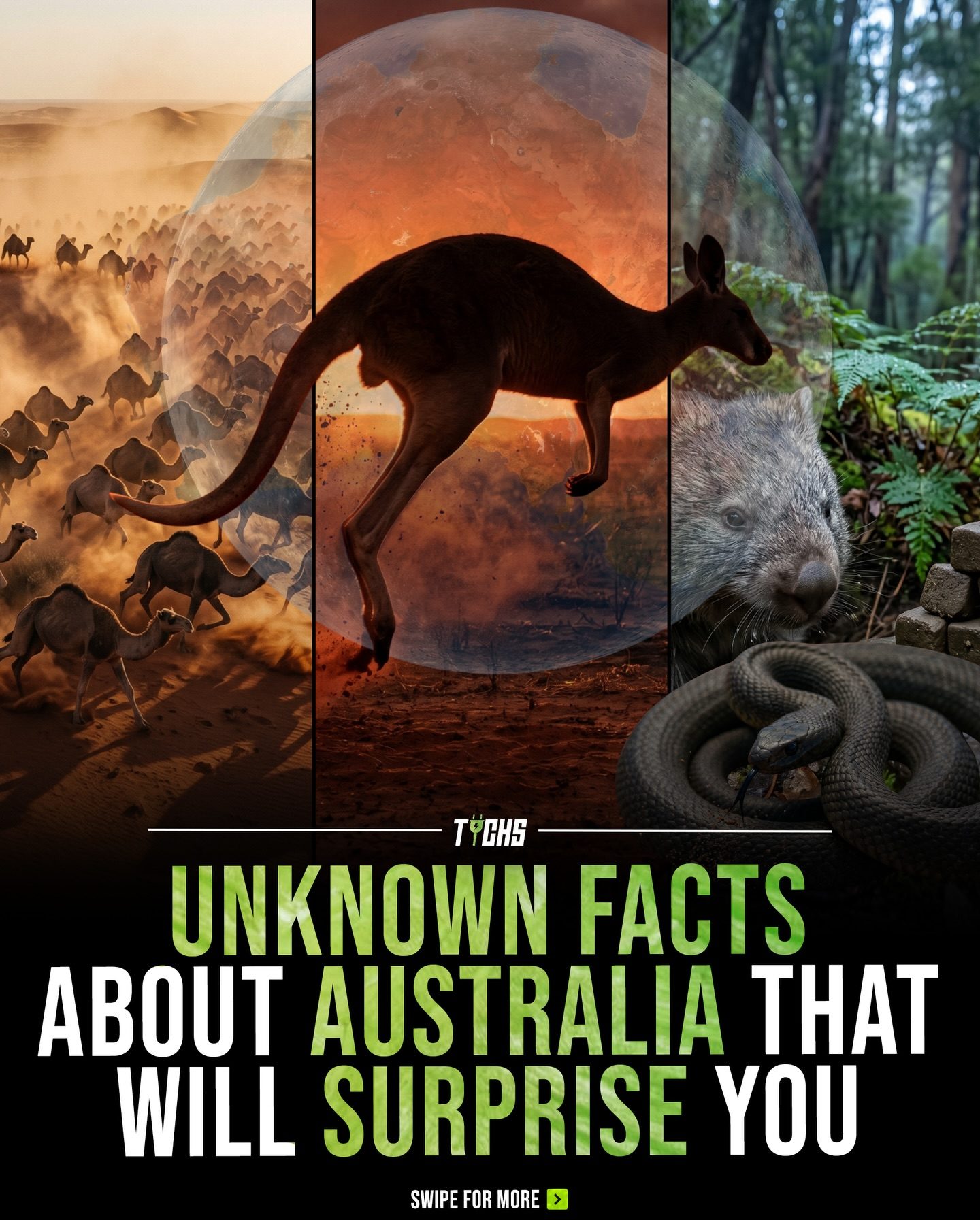
Australia's Surprising Facts: From Unique Wildlife to Geographical Marvels
Australia is a land of contrasts and surprises, boasting a rich tapestry of unique geography, diverse wildlife, and a history that often defies expectations. From the unusual traits of its native animals to the unexpected origins of its capital, the continent has much to offer.
Why This Matters
Understanding Australia's unique characteristics provides a deeper appreciation for its wildlife, landscapes, and cultural heritage. Whether you're a resident, a tourist, or simply curious about the world, these surprising facts about Australia will broaden your perspective and enrich your knowledge.
Main Discussion
The Compromise Capital
One of the most intriguing aspects of Australia's history is the establishment of its capital, Canberra. The city was founded in 1913 as a result of a rivalry between Sydney and Melbourne. These two major cities could not agree on which should serve as the national capital. To resolve this dispute, a compromise was reached: a new city, Canberra, was built to serve as the capital, effectively balancing the power between Sydney and Melbourne.
Wildlife Wonders
Australia is home to a diverse array of wildlife, many of which possess unusual characteristics.
Wombats and Their Unique Droppings
Wombats are known for their unique trait of producing cube-shaped feces. This unusual phenomenon is due to the animals' unique intestinal pressure and elasticity, which allows their waste to harden into cube-like shapes. This trait is not merely a curiosity; it also serves a practical purpose. The cube-shaped droppings help mark territory and deter predators.
Kangaroos, Emus, and National Symbols
Kangaroos and emus hold significant cultural and symbolic value in Australia. Both animals are featured on the country's coat of arms, representing progress, agility, and the power to move forward. These animals are uniquely adapted to the Australian landscape, with kangaroos being capable of extraordinary leaps and emus being one of the largest birds native to the continent.
Wild Camels and Venomous Snakes
Australia is also home to over a million wild camels, descendants of animals imported in the 19th century. These camels roam freely, particularly in the outback, and have become an integral part of the country's wildlife. Additionally, Australia hosts some of the world's most venomous snakes, making it a hotspot for both adventure and caution.
Geographical Marvels
Beyond its wildlife, Australia's geography is equally impressive. The continent boasts more than 10,000 beaches, each offering unique landscapes and seascapes. From the rugged cliffs of the Great Ocean Road to the pristine white sands of the Whitsunday Islands, Australia's coastlines are a testament to its natural diversity.
A Continent Wider Than the Moon
One of the most astonishing facts about Australia is its sheer size. The continent is wider than the Moon, a unique distinction that underscores its vastness and geographical significance. This vast expanse of land includes a variety of landscapes, from the arid outback to lush rainforests and snow-capped mountains.
Unique Landscape and Geology
Australia's landscapes are as varied as they are breathtaking. The country is home to the world's largest coral reef system, the Great Barrier Reef, which stretches over 2,300 kilometers. The reef is a vibrant ecosystem teeming with marine life and serves as a major tourist attraction. Additionally, Australia's geology is equally fascinating, with unique rock formations like Uluru, a sacred site for indigenous Australians, and the Twelve Apostles, a collection of limestone stacks off the coast of Victoria.
Practical Tips
When exploring Australia, it's essential to be prepared for its diverse environments. Here are some practical tips to enhance your experience:
- Stay Hydrated: The Australian outback can be unforgiving, so always carry plenty of water.
- Respect Wildlife: Maintain a safe distance from wild animals and follow guidelines for interactions.
- Protect the Environment: Follow Leave No Trace principles to preserve Australia's natural beauty.
- Plan Ahead: Research your destinations thoroughly, as some areas may require special permits or equipment.
Important Takeaways
Australia's unique geography, wildlife, and history make it a fascinating destination. From the compromise that led to Canberra's establishment to the peculiar habits of its wildlife, there is always more to discover and appreciate. By understanding these surprising facts, you can gain a deeper connection to the land and its inhabitants.
Conclusion
Australia is a country of endless surprises, blending natural wonders with cultural richness. From the intricate geopolitics that shaped its capital to the peculiar traits of its wildlife, the continent offers a wealth of knowledge and awe-inspiring experiences. Whether you're exploring its vast landscapes, encountering its unique fauna, or delving into its history, Australia continues to captivate and inspire.
Watch the Reel
Questions readers ask
Why is Canberra the capital of Australia and how did it become so?
Canberra was selected as the capital of Australia in 1908 as a compromise between rivals Sydney and Melbourne. The city was purposefully built to serve as the capital, with its design and construction beginning in 1913.
What are some of the unique features of Australian wombats?
Australian wombats are known for their distinctive cube-shaped droppings, which help prevent the droppings from rolling away and marking their territory more effectively. Additionally, wombats have a backwards-facing pouch to prevent dirt from entering while digging.
What makes Australia's geography so unique?
Australia's geography is distinctive due to its vast, arid interior known as the Outback, as well as its diverse landscapes ranging from tropical rainforests to vast deserts. The country is also home to unique geological features such as the Great Barrier Reef, the world's largest coral reef system.
What are some of the most remarkable facts about Australia's wildlife?
Australia is home to a variety of unique animals, including the kangaroo, koala, and platypus. Many of these species are found nowhere else in the world, making Australia's wildlife incredibly diverse and fascinating.
What are some of the key events in Australia's history timeline?
Australia's history timeline includes significant events such as the arrival of the First Fleet in 1788, the Federation of Australia in 1901, and the construction of the Sydney Opera House in 1973. These events have shaped the country's cultural and political landscape.
What are some of the natural wonders found in Australia?
Australia is home to numerous natural wonders, including the Great Barrier Reef, Uluru (Ayers Rock), and the Twelve Apostles. These landmarks showcase the country's diverse and stunning landscapes, attracting visitors from around the world.
How has Australia's history influenced its unique landscapes and wildlife?
Australia's history, including the impact of Indigenous Australians and European settlers, has played a significant role in shaping its landscapes and wildlife. Conservation efforts and land management practices have evolved to protect and preserve the country's unique ecosystems.
Related deep dives
Similar reads based on topic and creator.




Recent articles
Fresh deep dives from the latest Reels we unpacked.




Comments
Be the first to comment.