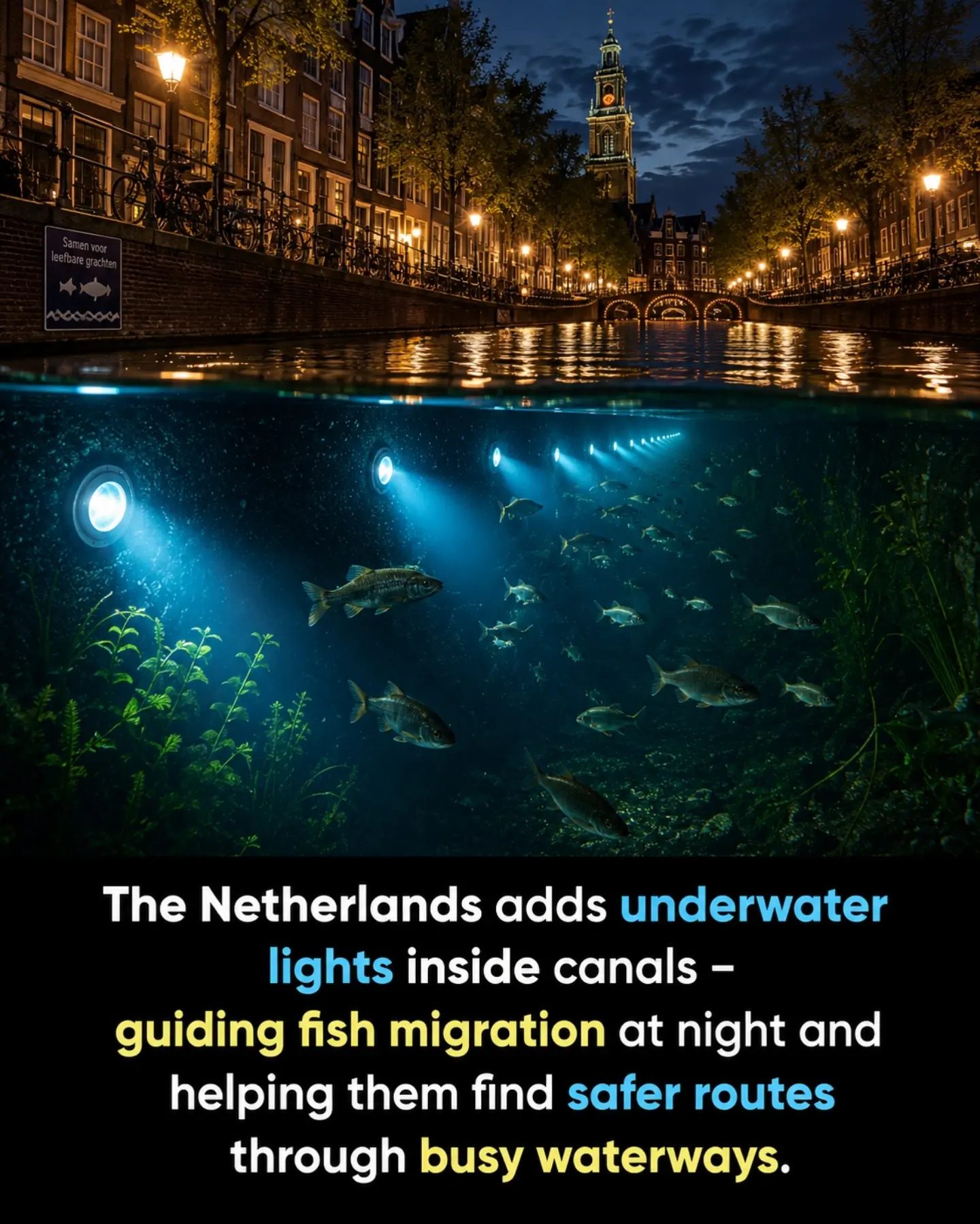
Underwater Canal Lights: A Beacon for Fish Migration in the Netherlands
Underwater lighting in canals is a groundbreaking initiative in the Netherlands. This innovative approach aims to support fish migration and enhance their safety in urban waterways. By illuminating the paths, the lights help fish navigate busy waterways more effectively, ensuring their safe passage through the canals.
Why This Matters
The installation of underwater lights in the canals of the Netherlands is more than just an aesthetic enhancement. It addresses a critical environmental issue: the disruption of fish migration due to urban development. Canals in urban areas often present hazards such as boat traffic, barriers, and pollution, making it difficult for fish to migrate safely. By providing illuminated pathways, these lights help mitigate these challenges and support the natural behaviors of aquatic life.
Main Discussion
The Role of Underwater Lights in Fish Migration
Underwater lighting in canals plays a pivotal role in guiding fish during their migratory journeys. These lights are strategically placed to create a visible pathway that helps fish find their way through the complex urban waterways. Fish are drawn to the light, which acts as a beacon, guiding them through the safest routes. This is particularly important during nighttime when natural light is scarce, and fish rely more on their senses and available cues to navigate.
The Impact on Urban Aquatic Environments
The impact of this initiative extends beyond just aiding fish migration. By reducing the risk of fish collisions with boats and other obstacles, the underwater lights contribute to the overall health of urban aquatic ecosystems. Healthier fish populations lead to more balanced ecosystems, which in turn benefit other aquatic species and the environment as a whole.
Technological and Environmental Considerations
The implementation of underwater lights involves careful consideration of both technological and environmental factors. The lights must be durable enough to withstand the conditions of the canal environment, including varying water currents and potential debris. Additionally, the choice of lighting technology is crucial to minimize energy consumption and reduce the environmental footprint.
Practical Tips for Implementing Underwater Canal Lights
If you're considering a similar initiative in your locality, here are some practical tips:
Conduct a Feasibility Study
Before installing underwater lights, conduct a thorough feasibility study to understand the specific needs of your waterways. This includes identifying key migration routes, assessing water quality, and evaluating the potential impact on aquatic life.
Choose the Right Lighting Technology
Opt for energy-efficient and eco-friendly lighting solutions. LED lights are a popular choice due to their durability and low energy consumption. Ensure the lights are designed to withstand the harsh conditions of the canal environment.
Collaborate with Local Authorities
Engage with local environmental authorities and stakeholders to ensure compliance with regulations and to gather support. Collaboration is key to the success of such initiatives and can help secure necessary permits and resources.
Monitor and Evaluate
Once the lights are installed, monitor their performance and evaluate their impact on fish migration and the overall aquatic environment. Gather data to make necessary adjustments and improvements, ensuring the initiative achieves its intended goals.
Involve the Community
Engage the local community in the project. Public awareness and involvement can lead to better support and understanding of the initiative. Community involvement can also provide valuable insights and feedback.
Important Takeaways
- Guidance for Fish Migration: Underwater lights are instrumental in guiding fish through urban canals, especially during nighttime migrations.
- Environmental Benefits: This initiative supports healthy aquatic ecosystems by reducing hazards and improving the safety of waterways.
- Technological and Environmental Balance: Choosing the right lighting technology and ensuring durability and energy efficiency are crucial for success.
- Community and Collaboration: Engaging local authorities and the community can ensure the initiative's success and sustainability.
Conclusion
The installation of underwater lights in the canals of the Netherlands represents a significant step toward creating safer and more sustainable urban aquatic environments. By providing a guiding pathway for fish migration, these lights not only support the health of aquatic ecosystems but also showcase innovative solutions for urban environmental challenges. The initiative underscores the importance of integrating technological advancements with environmental stewardship to create a harmonious balance between urban development and natural ecosystems—an approach that can inspire similar initiatives worldwide.
Watch the Reel
Questions readers ask
How do underwater lights in the Netherlands help fish migration?
Underwater lights in the Netherlands guide fish through urban canals by providing visible pathways. These lights help fish navigate around obstacles and through busy waterways, enhancing their migration process. This guidance is particularly important in urban areas, where barriers and hazards like boat traffic can disrupt fish migration.
What are the main challenges fish face in urban waterways?
Fish in urban waterways encounter several challenges, including boat traffic, physical barriers, and pollution. These obstacles can make it difficult for fish to migrate safely and disrupt their natural behaviors. Underwater lighting aims to mitigate these issues by providing clear and safe routes for fish to follow.
Why are underwater lights important for aquatic life navigation?
Underwater lights serve as visual cues for fish, helping them navigate through unfamiliar and hazardous environments. By illuminating safe paths, these lights reduce the risks associated with urban waterway hazards, ensuring that fish can move safely through canals and other waterways.
What makes the Dutch initiative with underwater lights unique?
The Dutch initiative is unique because it specifically addresses the challenges of fish migration in urban settings. While other countries may use lighting for aesthetic or safety purposes, the Netherlands has implemented underwater lighting to support the natural behaviors of aquatic life.
How do urban development and fish migration relate in the Netherlands?
Urban development in the Netherlands often involves the construction of canals and other waterways, which can present obstacles to fish migration. The installation of underwater lights helps mitigate these issues by guiding fish safely through urban environments. This approach ensures that aquatic life can continue to migrate despite the challenges posed by urbanization.
Related deep dives
Similar reads based on topic and creator.




Recent articles
Fresh deep dives from the latest Reels we unpacked.




Comments
Be the first to comment.