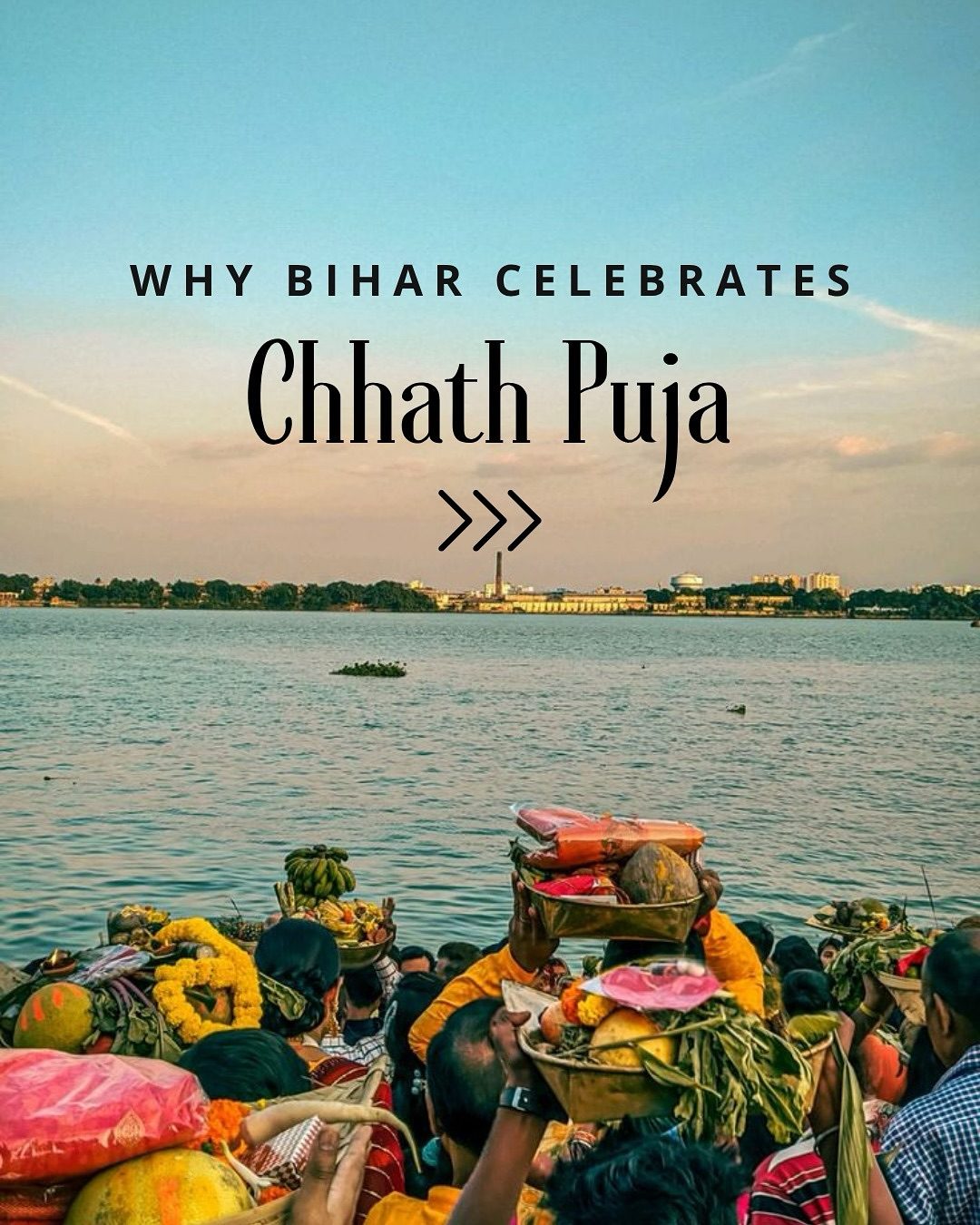
Chhath Puja Festival in Bihar
Chhath Puja, a vibrant and deeply meaningful festival, is celebrated with immense fervor in the Indian state of Bihar. This ancient festival is more than just a celebration; it is a spiritual journey that reflects the region's unique cultural heritage and deep connection to nature. It is a time when devotees express gratitude to the Sun god, Surya, and the rivers for the abundance of natural resources and the blessings of life. Held typically in the month of Kartik (October/November), the festival is celebrated for four days and is marked by austerity, rituals, and traditions that have been passed down through generations. The festival emphasizes purity, discipline, and respect for nature, offering a profound message to those who observe it.
Context / Why this matters
Understanding the significance of Chhath Puja in Bihar helps us appreciate the rich cultural tapestry of India. This festival is a testament to the enduring bond between humanity and nature, highlighting the importance of harmony and balance in our lives.
Main discussion
Historical and Cultural Significance
Chhath Puja has a long and storied history, dating back thousands of years. It is believed to have originated in the Vedic period, as evidenced by references in ancient texts such as the Rigveda. The festival is deeply rooted in the agrarian culture of Bihar, where the harvest season coincides with the celebration. The rituals performed during Chhath Puja are aimed at seeking the blessings of the Sun god, which is considered the ultimate source of life and energy. Over the centuries, the festival has evolved and adapted, incorporating various traditions and rituals that reflect the unique cultural identity of the region.
Rituals and Traditions
The Chhath Puja festival is celebrated over four days, each with its unique rituals and traditions. The first day, known as Nahai Khai, involves fasting and purification rituals. The second day, Lohanda and Kharna, involves observing a strict fast without water. The third day, Sandhya Arghya, is the most important day of the festival, when devotees offer prayers to the setting sun. The final day, Usha Arghya, involves offering prayers to the rising sun.
Another critical aspect of Chhath Puja is the "vrat katha," or fasting stories. These stories are often shared among families and communities, adding a layer of religious and cultural significance to the festival. The festival is also marked by the traditional song "Chhath Geet," which is sung during the rituals and celebrations.
Importance of the Natural Elements
Water and the Sun are central to the Chhath Puja festival. The rituals are often performed near riverbanks, emphasizing the importance of water and its life-giving properties. The Sun is revered as the ultimate source of life and energy, and its worship is a symbol of gratitude for the abundance of natural resources.
The festival's connection to nature is not just symbolic; it is deeply practical. The rituals and practices associated with Chhath Puja promote sustainable living and environmental conservation. By emphasizing the importance of purity and discipline, the festival encourages devotees to live in harmony with nature, respecting and preserving its resources.
Practical tips
Participating in Chhath Puja
If you are planning to participate in Chhath Puja, it is essential to understand and follow the rituals and traditions. Here are some tips to help you get started:
- Preparation: Start by preparing your mind and body for the festival. This involves fasting and purifying yourself. Avoid eating heavy or spicy food and focus on light, nutritious meals.
- Rituals and Practices: Familiarize yourself with the rituals and practices associated with Chhath Puja. This includes understanding the significance of the rituals and their proper execution.
- Community: Join a community or family to celebrate Chhath Puja. The festival is a communal event, and participating with others can enhance your experience.
- Nature: Respect nature and its elements. Choose a clean and sacred space for your rituals and ensure that you do not litter or damage the environment.
Respecting the Festival's Traditions
Respecting the traditions of Chhath Puja is crucial. This means following the rituals and practices with dedication and devotion, as well as respecting the beliefs and customs of those around you. If you are visiting Bihar, make sure you dress appropriately and behave in a manner that respects the local culture and traditions.
Important takeaways
Here are the key takeaways from the Chhath Puja festival:
- The festival is a symbol of gratitude and respect for nature and its resources.
- It emphasizes the importance of purity, discipline, and respect for nature.
- The rituals and practices associated with Chhath Puja promote sustainable living and environmental conservation.
- The festival is a communal event, and participating with others can enhance your experience.
- Understanding and respecting the traditions and customs of Chhath Puja is crucial for a meaningful and fulfilling celebration.
Conclusion
Chhath Puja is more than just a festival; it is a way of life that emphasizes purity, discipline, and respect for nature. The festival's significance in Bihar and its rich cultural heritage make it a unique and meaningful celebration. Understanding the rituals, traditions, and significance of Chhath Puja can help you appreciate the rich cultural tapestry of India and the enduring bond between humanity and nature. Whether you are a participant or an observer, Chhath Puja offers a profound message of harmony and balance, making it a celebration worth experiencing.
Watch the Reel
Questions readers ask
What is the significance of the Sun god in Chhath Puja?
The Sun god, Surya, is a central figure in Chhath Puja. Devotees worship Surya to express gratitude for the life-sustaining energy and natural resources provided by the sun. This reverence underscores the festival's focus on natural harmony and the life-giving power of the sun.
How is the river revered during Chhath Puja?
Rivers, particularly the Ganges, play a crucial role in Chhath Puja. Devotees perform rituals and offer prayers to the rivers, symbolizing purification and respect for water sources. This practice highlights the deep connection to nature and the importance of clean, natural waterways in the lives of the people of Bihar.
What are the key rituals performed during Chhath Puja?
Chhath Puja involves several key rituals, including taking a holy dip in rivers, fasting, and offering prayers to the Sun god and rivers. These rituals are performed over four days, with each day holding specific significance and traditions that have been passed down through generations. The rituals emphasize purity, discipline, and devotion.
Why is environmental harmony emphasized during Chhath Puja?
Environmental harmony is a central theme of Chhath Puja. The festival encourages respect for natural elements, such as the sun and rivers, promoting a message of sustainability and conservation. By honoring these elements, devotees strive to maintain a balance with nature and foster a deeper appreciation for the environment.
What is the traditional timing for the celebration of Chhath Puja?
Chhath Puja is typically held in the month of Kartik, which corresponds to October or November. The festival lasts for four days, with each day dedicated to specific rituals and ceremonies. This timing aligns with the harvest season, making it a time of abundance and thanksgiving in Bihar.
How does Chhath Puja reflect Bihar's cultural heritage?
Chhath Puja is deeply rooted in Bihar's cultural heritage, reflecting the region's traditions, values, and history. The festival's rituals, chants, and customs have been preserved and passed down through generations, making it a cherished aspect of Bihar's identity and a testament to the community's enduring commitment to nature and spiritual devotion.
What are some of the scenic views during Chhath Puja?
During Chhath Puja, the landscape of Bihar comes alive with vibrant colors and rituals. Devotees gather by riversides, creating a serene and spiritual atmosphere. The sight of devotees performing rituals, especially during the evening and morning sun worship, is both awe-inspiring and deeply moving, offering a glimpse into the festival's profound connection with nature.
Related deep dives
Similar reads based on topic and creator.




Recent articles
Fresh deep dives from the latest Reels we unpacked.




Comments
Be the first to comment.