Bizarre Historical Conflicts That Actually Happened
History is filled with strange and surprising events, but few things are as fascinating as the bizarre wars and conflicts that have taken place around the world. These conflicts, often dismissed as mere anecdotes, are well-documented and have left indelible marks on the historical record. Let's delve into some of the most incredible and unusual wars that have ever occurred.
Why This Matters
Understanding these unusual conflicts provides a unique lens through which to view history. They offer insights into the complexities of human behavior, the absurdities of war, and the diverse reasons nations and factions have gone to battle. These stories highlight how conflicts can arise from the most unexpected situations and how historical records can sometimes read like fiction.
The Emu War: Australia's Battle Against Birds
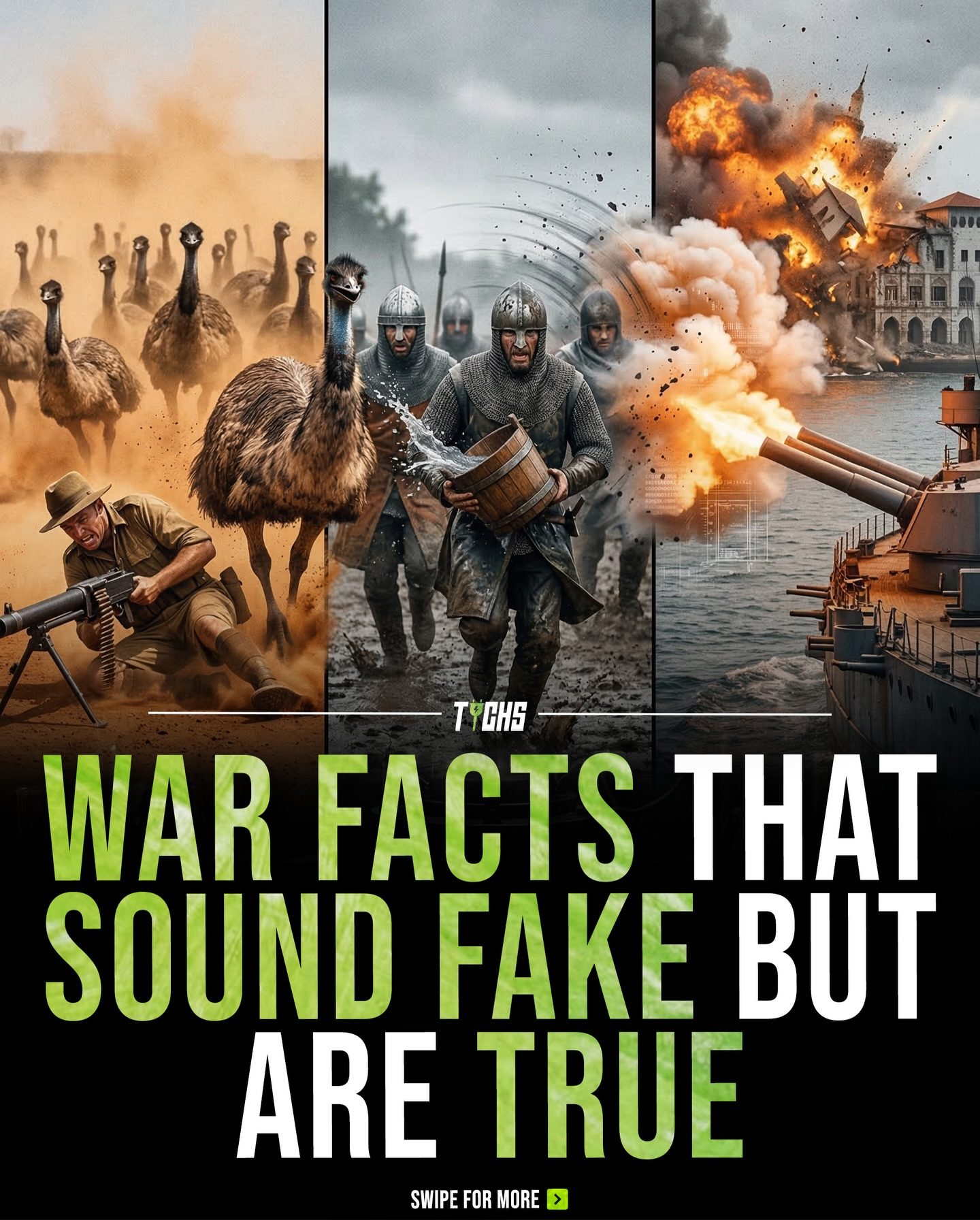
One of the most peculiar conflicts in history is the Emu War, which took place in Australia in 1932. During this time, the Australian military deployed soldiers and machine guns to combat thousands of emus that were destroying crops. This war, also known as the Great Emu War, showcased the extent to which resources were being stretched during the Great Depression, when farmers were already struggling.
The Anglo-Zanzibar War: The Shortest War in History
The Anglo-Zanzibar War holds the distinction of being the shortest war in history, lasting a mere 38 minutes. This conflict occurred in 1896 between Britain and the Sultanate of Zanzibar. The war began when the British Ultimatum was rejected by Sultan Khalid bin Barghash. The ensuing bombardment resulted in a swift British victory, marking the end of the conflict.
The War of the Bucket: A Conflict Over a Stolen Bucket
The War of the Bucket, which took place in 1325, was a conflict between the Italian city-states of Modena and Bologna. The war was sparked by a stolen wooden bucket and escalated into a full-blown battle. This seemingly trivial dispute highlights how minor grievances could escalate into significant conflicts during the medieval period.
The Petrich Incident: A War Started by a Dog
The Petrich Incident is another example of a war that began over a seemingly trivial issue. This event took place in 1912 when a Bulgarian soldier chased his dog across the border into Ottoman territory, resulting in a war between the two nations. This conflict, though short-lived, illustrates the delicate balance of power and the potential for conflict in border regions.
The Three Hundred and Thirty-Five Years’ War: An Endless Peace
The longest war in history, in terms of duration, is the Three Hundred and Thirty-Five Years’ War. This conflict began in 1651 between the Netherlands and the Isles of Scilly, a small archipelago off the coast of the United Kingdom. The war lasted for 335 years, but remarkably, there were no direct military engagements during this period. The war was formally concluded in 1986, long after the original dispute had been forgotten.
The Siege of Paris: A City Under Siege
The Siege of Paris is another example of a conflict that showcases the desperate measures people took during wartime. During the French Revolution in 1793, Paris was under siege, and citizens were forced to make drastic decisions to secure food. This extreme measure highlights the dire conditions that can arise during wartime.
Why These Wars Are Important
These conflicts, while unusual, offer important lessons about the nature of war, the causes of conflict, and the resilience of human societies. They remind us that even the most trivial disputes can escalate into full-blown wars, and that conflicts can take unexpected forms. Understanding these events helps us appreciate the complexity of historical conflicts and the diverse factors that contribute to their outbreak.
Practical Tips for Understanding Historical Conflicts
When studying historical conflicts, it's essential to approach them with an open mind and a willingness to dig deeper into the underlying causes. Here are a few practical tips for gaining a better understanding of these events:
- Context Matters: Always consider the historical, political, and social context in which the conflict occurred.
- Seek Multiple Perspectives: Look at accounts from different sources and viewpoints to get a more comprehensive understanding.
- Explore Primary Sources: Primary documents, such as letters, diaries, and official records, can provide valuable insights.
- Analyze Causes and Consequences: Understand the root causes of the conflict and its long-term effects on the region and its people.
- Consider Human Factors: Remember that wars are fought by people, and understanding their motivations and experiences can provide deeper insights.
Important Takeaways
The conflicts discussed in this article underscore the absurdity and complexity of human behavior during wartime. They serve as reminders of the diverse reasons nations and factions go to war and the importance of understanding these events in their historical context. These unusual wars, while entertaining to learn about, also offer valuable lessons about the nature of conflict and the need for peaceful resolution.
Conclusion
From the Emu War to the Three Hundred and Thirty-Five Years’ War, these bizarre historical conflicts provide a unique perspective on the history of warfare. They showcase how even the most trivial disputes can escalate into significant conflicts and how the complexities of human behavior can lead to unexpected outcomes. By studying these unusual wars, we gain a deeper appreciation for the diverse factors that contribute to conflict and the importance of understanding their historical context.
Watch the Reel
Questions readers ask
What was the shortest war in history and why did it happen?
The shortest war in history was the Anglo-Zanzibar War. It lasted only 38-45 minutes. This brief but intense conflict took place in 1896, when Britain sent an ultimatum to Zanzibar. The sultan of Zanzibar refused to step down, leading to a naval bombardment resulting in the immediate end of the war. The war was over so quickly that some soldiers were unable to fire a single shot.
Why did the Great Depression-era emu war happen in Australia?
The Great Depression-era emu war, also known as the Emu War, took place in Australia in 1932. Due to the Great Depression, farmers were struggling to make a living. These farmers hired a military officer to protect their crops from a group of emus, which they believed were eating their crops and grazing on their land. The emus were surprisingly elusive and the military was unable to capture them, leading to the failure of the war.
What caused the 335-Year War, and how was it finally resolved?
The 335-Year War, also known as the Paraguayan–Uruguayan war, was a conflict between the Netherlands and the Isles of Scilly. It began in 1651 when the Dutch declared war on the Isles of Scilly. The Isles of Scilly were a part of the English crown, and the Dutch were unsure of this. The war was finally resolved in 1986, when the Dutch and the Isles of Scilly reconciled and signed a peace treaty.
What are some of the most peculiar reasons for wars in human history?
Wars have been fought for a variety of peculiar reasons, such as the 1896 conflict between Britain and Zanzibar due to a power struggle between the British government and the Sultan of Zanzibar. In 1932, Australia deployed troops to fight against emus, which were believed to be destroying farmers' crops. In the 335-Year War, the Netherlands fought against Scilly Isles, which was a part of the English crown and the Dutch were unsure of this.
What is the Scilly Isles war and why is it significant?
The Scilly Isles War, also known as the 335-Year War, is significant because it is one of the most peculiar wars in history. It was a conflict between the Netherlands and the Isles of Scilly, which began in 1651. The war was finally resolved in 1986, when the Dutch and the Isles of Scilly reconciled and signed a peace treaty. It is significant because it shows how wars can be fought for the most absurd reasons and how they can last for centuries before being resolved.
What can we learn from the strangest wars in history?
The strangest wars in history offer valuable insights into the complexities of human behavior. They reveal how conflicts can arise from unexpected situations, such as a battle against emus during a depression or a 335-year war over a misunderstanding. Additionally, these conflicts highlight the absurdities of war and demonstrate how diverse and peculiar the reasons for conflict can be.
Related deep dives
Similar reads based on topic and creator.



Recent articles
Fresh deep dives from the latest Reels we unpacked.




Comments
Be the first to comment.