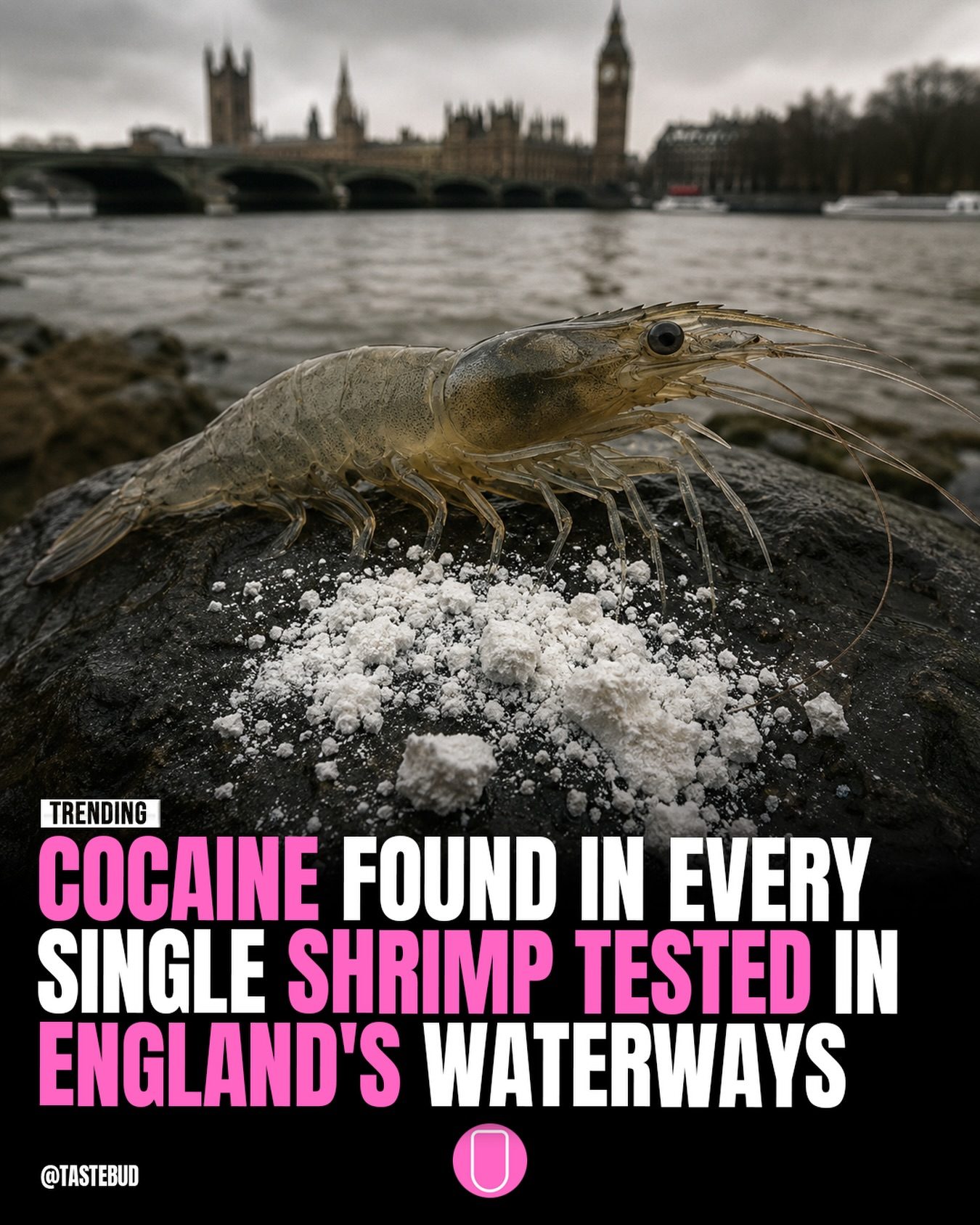
Shrimp and Cocaine: An Unexpected Discovery in England's Waterways
Cocaine found in every shrimp sampled from England's freshwater rivers. This unexpected discovery is the result of researchers testing shrimp across multiple rivers in the UK. The shrimp also contained traces of other substances, including ketamine, prescription drugs, and pesticides. These contaminants are believed to originate from human wastewater that current treatment systems don't fully remove.
Why This Matters
The discovery of cocaine and other substances in shrimp highlights a critical issue: the persistence of human waste in the environment. While the levels of these contaminants are low, long-term exposure could significantly impact wildlife behavior and ecosystems. This scenario raises serious questions about the effectiveness of current wastewater treatment methods and the broader implications for environmental health.
The Science Behind the Discovery
Research Methodology
Researchers collected shrimp samples from various rivers across the UK. They then analyzed these samples for the presence of cocaine and other substances. The findings were startling: every single shrimp tested contained traces of cocaine. This uniformity suggests that the contamination is widespread and not isolated to specific areas.
Contaminants Found
In addition to cocaine, the shrimp showed signs of other substances, including:
- Ketamine: A dissociative anesthetic used in veterinary medicine and, illicitly, as a recreational drug.
- Prescription Drugs: Medications that, when not properly disposed of, can end up in waterways.
- Pesticides: Chemicals used in agriculture and gardening that can contaminate water sources.
These contaminants likely come from human wastewater that treatment systems don't fully remove. Wastewater treatment processes are designed to eliminate harmful pathogens and reduce organic matter, but they may not be effective at removing all chemical contaminants.
Potential Impacts on Wildlife and Ecosystems
Direct Effects on Shrimp
The direct effects of these contaminants on shrimp are not fully understood. However, long-term exposure to low levels of cocaine and other substances could alter the shrimp's behavior and physiology. For example, changes in behavior could affect their ability to find food, avoid predators, and reproduce.
Broader Ecological Impacts
Shrimp play a crucial role in aquatic ecosystems. They are a food source for many other animals and help maintain the balance of these ecosystems. Any disruption to their health and behavior could have cascading effects on the broader ecosystem. For instance, a change in shrimp populations could impact the food chain, leading to disruptions in the populations of other species.
Environmental Health
The presence of these contaminants in shrimp is a stark reminder that what humans release into the environment doesn't just disappear. It can accumulate in wildlife and have unintended consequences. This discovery underscores the need for more effective wastewater treatment methods and stricter regulations on the disposal of pharmaceuticals and other chemicals.
Practical Tips for Reducing Environmental Contamination
Proper Disposal of Medications
One of the most effective ways to reduce the presence of pharmaceuticals in the environment is to properly dispose of unused medications. Many communities offer drug take-back programs where you can safely dispose of old or unwanted medications. Always follow local guidelines for disposal to minimize environmental impact.
Reducing Pesticide Use
Reducing the use of pesticides can also help lower contamination levels. Consider using eco-friendly pest control methods, such as biological controls or natural repellents. If you must use pesticides, follow the manufacturer's instructions carefully and dispose of any leftover products according to local regulations.
Supporting Wastewater Treatment Improvements
Advocate for better wastewater treatment technologies and stricter regulations. Support local initiatives that promote environmental stewardship and push for policies that enhance wastewater treatment infrastructure.
Important Takeaways
- Every shrimp tested in England's waterways contained traces of cocaine and other substances.
- These contaminants likely come from human wastewater that treatment systems don't fully remove.
- Long-term exposure to these substances could affect wildlife behavior and ecosystems.
- Proper disposal of medications and reduced use of pesticides can help mitigate contamination.
- Advocating for better wastewater treatment technologies and stricter regulations is crucial.
Conclusion
The discovery of cocaine and other substances in freshwater shrimp is a concerning reminder of the impact of human activities on the environment. While the levels of these contaminants are low, their presence underscores the need for more effective wastewater treatment methods and stricter regulations on the disposal of pharmaceuticals and other chemicals. By taking practical steps to reduce environmental contamination, we can help protect wildlife and ecosystems for future generations.
Watch the Reel
Questions readers ask
Why was cocaine found in shrimp from England's rivers?
Cocaine is found in shrimp due to human waste entering the rivers. Wastewater treatment systems do not completely remove substances like cocaine, allowing them to persist in the water and be absorbed by aquatic life, such as shrimp.
What other substances were found in the contaminated shrimp?
In addition to cocaine, the shrimp tested positive for ketamine, prescription drugs and pesticides. This indicates the wide range of contaminants present in England's rivers.
How does human waste end up in England's rivers?
Human waste, including drugs and their metabolites, enters rivers through wastewater treatment plants, which cannot fully remove these substances from the water being discharged.
What are the potential impacts of these contaminants on wildlife?
Long-term exposure to these contaminants could significantly impact wildlife behavior and ecosystems. Even low levels of these substances can have adverse effects on aquatic life and the broader environment.
Are these contaminant levels high enough to affect humans who consume the shrimp?
The levels of contaminants found in the shrimp are currently low, but the implications for human health from consuming contaminated shrimp are not yet fully understood and warrant further investigation.
What does this discovery say about the effectiveness of current wastewater treatment methods?
The detection of cocaine and other substances in shrimp suggests that current wastewater treatment methods in England are not sufficient to eliminate all contaminants before water is released back into the environment.
What can be done to address this issue?
To address this issue, wastewater treatment processes must be improved to better remove these contaminants. Additionally, reducing the amount of drugs and chemicals entering the wastewater system can help mitigate this problem.
Related deep dives
Similar reads based on topic and creator.


Recent articles
Fresh deep dives from the latest Reels we unpacked.




Comments
Be the first to comment.