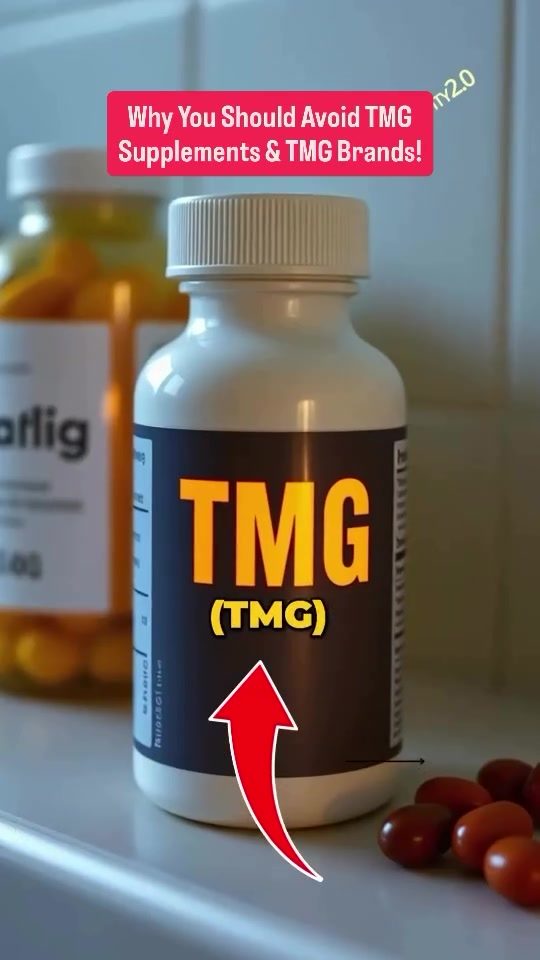
TMG Supplements: The Misleading Methylation Myth
TMG, or trimethylglycine, often marketed as a necessary supplement for those taking NMN or NAD boosters, has been the subject of debate. However, recent insights from Dr. David Sinclair shed light on the unfounded claims surrounding TMG and its supposed necessity.
Why This Matters
As the quest for longevity and optimal health continues, many turn to supplements like NMN and NAD boosters. These compounds are believed to support cellular health and longevity by boosting levels of nicotinamide adenine dinucleotide (NAD+), a crucial coenzyme involved in various metabolic processes. However, the claim that these supplements deplete the body's methyl groups, necessitating the use of TMG, has been a source of confusion and misinformation.
The Myth of TMG Supplementation
The Unfounded Claim
The primary claim surrounding TMG is that NMN and NAD boosters deplete the body's methyl groups, leading to a need for additional TMG supplementation. Methyl groups are essential for various biochemical reactions in the body, and the idea is that supplementing with TMG will replenish these groups. However, this claim is based on wild speculation and lacks credible scientific evidence.
Scientific Perspective
Dr. David Sinclair, a renowned expert in the field of aging and longevity, has expressed his skepticism about these claims. According to him, there is no evidence to support the idea that NMN and NAD boosters deplete your methyl groups. In fact, the notion that TMG is essential for balancing methylation is rooted in unfounded speculation and not grounded in any credible research. This perspective is crucial because it challenges the marketing strategies of companies that push TMG supplements as a necessary addition to their longevity regimens.
The Role of Methylation
Methylation is a biochemical process involving the transfer of methyl groups from one molecule to another. This process is vital for various bodily functions, including DNA synthesis, protein expression, and detoxification. While methylation is a critical process, the idea that NMN and NAD boosters interfere with it to the extent that TMG supplementation is necessary is not supported by scientific evidence.
The Risks of Misinformation
The misconception about TMG supplements highlights the broader issue of misinformation in the supplement industry. Companies often market products based on unfounded claims to capitalize on consumer fears and uncertainties. This not only misleads consumers but also undermines the trust in science-backed supplements.
Trusting Science-Backed Supplements
Rather than relying on unsubstantiated claims, consumers should focus on supplements that have a solid scientific foundation. NMN and NAD boosters, for example, have been studied extensively and shown to have potential benefits for cellular health and longevity. By sticking with science-backed supplements, individuals can make informed decisions about their health.
Avoiding Unfounded Claims
When evaluating supplements, it is essential to look for products that have been thoroughly researched and backed by credible scientific evidence. Avoiding supplements marketed with unfounded claims, such as TMG for methylation, can help consumers avoid wasting money on ineffective products and potential health risks.
Practical Tips
Research Thoroughly
Before incorporating any new supplement into your regimen, conduct thorough research. Look for scientific studies, expert opinions, and reviews from credible sources.
Consult a Healthcare Provider
Always consult a healthcare provider before starting any new supplement. They can provide personalized advice based on your health profile and help you avoid potential interactions or adverse effects.
Focus on Science-Backed Supplements
Prioritize supplements that have a strong scientific basis. Look for products that have undergone clinical trials and have been proven to be effective and safe.
Be Wary of Marketing Claims
Be cautious of supplements marketed with claims that sound too good to be true. Often, these claims are not backed by scientific evidence and can lead to misleading information.
Important Takeaways
The TMG myth serves as a reminder of the importance of critical thinking and evidence-based decision-making when it comes to health supplements. Consumers should be wary of unfounded claims and prioritize science-backed supplements. By focusing on credible research and expert advice, individuals can make informed choices that support their health and longevity goals.
Conclusion
In the quest for optimal health and longevity, it's essential to navigate the supplementation landscape with caution. The recent insights from Dr. David Sinclair highlight the importance of relying on scientifically validated information. By avoiding misleading claims and focusing on evidence-based supplements like NMN and NAD boosters, individuals can make informed decisions about their health. Stick with science, and don't let misinformation guide your supplement choices.
Watch the Reel
Questions readers ask
What is TMG and why is it often recommended with NMN or NAD boosters?
TMG, or trimethylglycine, is a supplement often marketed alongside NMN (nicotinamide mononucleotide) or NAD (nicotinamide adenine dinucleotide) boosters. The recommendation stems from the claim that NMN and NAD boosters deplete the body's methyl groups, which TMG is supposed to replenish. However, this claim is a matter of debate.
Why does Dr. David Sinclair advise against taking TMG with NMN or NAD boosters?
Dr. David Sinclair cautions against taking TMG with NMN or NAD boosters because there is no scientific evidence to support the idea that these boosters deplete the body's methyl groups. He challenges the marketing behind TMG supplements, which often promote TMG as necessary for those using NMN or NAD boosters.
Can taking TMG supplements be beneficial in any way?
While TMG supplements may have some health benefits, such as supporting liver function and potentially reducing inflammation, the specific claim that they are necessary for those using NMN or NAD boosters is not supported by scientific evidence. Always consult with a healthcare provider before starting any new supplement regimen.
What should I consider before taking TMG with NMN or NAD boosters?
Before taking TMG with NMN or NAD boosters, consider the lack of scientific evidence supporting the need for TMG when using these boosters. It's also important to weigh the potential benefits of TMG against any possible side effects or interactions with other supplements or medications you may be taking.
What are the potential side effects of TMG supplements?
TMG supplements are generally considered safe for most people when taken in recommended doses. However, some individuals may experience side effects such as digestive issues, including diarrhea, nausea, or gas. It's always a good idea to start with a lower dose and monitor your body's response before increasing the dosage.
Can TMG influence methylation processes in the body?
TMG, or trimethylglycine, is involved in the methylation process, but there is no evidence that TMG supplements can influence this process in a meaningful way, especially when it comes to NMN or NAD boosters. The body maintains a balance of methyl groups through various biochemical pathways, making the need for TMG supplementation questionable.
Is there a better alternative to TMG supplements for supporting methyl group levels?
Instead of relying on TMG supplements, focus on a balanced diet rich in nutrients that support methylation, such as folate, vitamin B6, and vitamin B12. These nutrients are crucial for maintaining healthy methylation processes in the body. Always consult with a healthcare provider for personalized advice.
Recent articles
Fresh deep dives from the latest Reels we unpacked.




Comments
Be the first to comment.