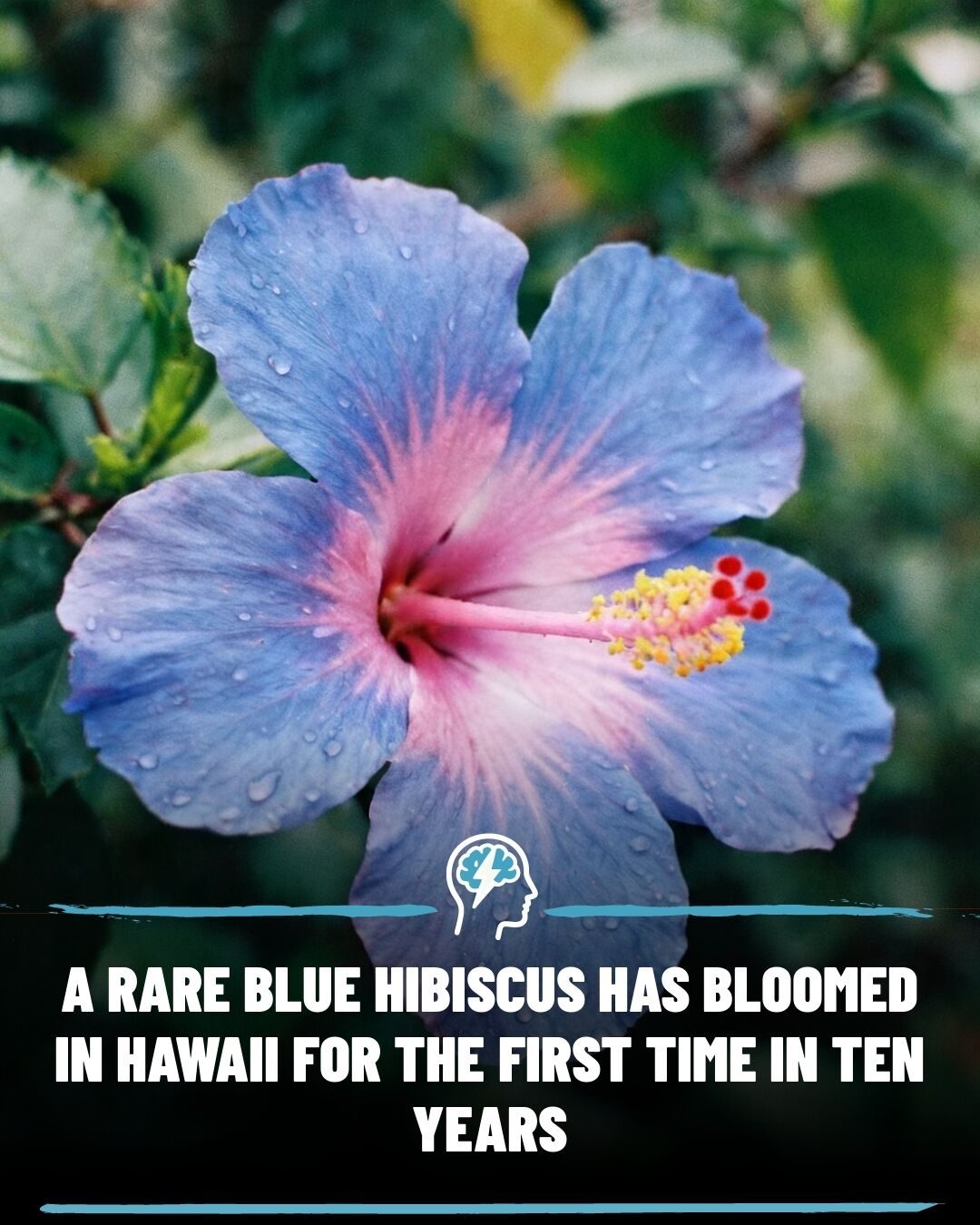
Rare Blue Hibiscus Blooms
The recent bloom of a blue hibiscus in Hawaii has captivated many, but there's more to this story than meets the eye. This particular bloom, while striking, is not a wild species but a result of extensive hybridization.
Context / Why this matters
The blue hibiscus has emerged from a decade of intense hybridizing efforts, primarily in Hawaii. This process involves crossing different species to push pigments into cooler tones, resulting in the blue, lavender, and purple hues seen in these plants. In nature, hibiscus flowers typically exhibit red, pink, yellow, orange, or white colors. The confusion between cultivated hybrids and rare wild plants can lead to misallocation of conservation resources.
Main discussion
The Origins of Blue Hibiscus
The blue hibiscus we see today is a testament to human ingenuity in horticulture. Breeders in Hawaii have spent roughly a decade intensively hybridizing different species to achieve the vibrant blue color. This process involves deliberate breeding and selection over many generations.
The Role of Hawaii in Hybridization
Hawaii plays a significant role in the development of these hybrids. The island's unique environment and rich biodiversity provide an ideal setting for hybridization efforts. Breeders there have been particularly successful in pushing pigments into cooler tones, resulting in the stunning blue, lavender, and purple blooms we see today.
Example: Hibiscus Denisonii
Hibiscus denisonii from Fiji is a prime example of a species that has contributed to the creation of these hybrids. In its natural state, Hibiscus denisonii has very pale pink flowers. However, it has been instrumental in the development of some lavender hybrids. Achieving the "blue" hue required even more generations of deliberate breeding and selection.
Practical Tips
How to Differentiate Between Wild and Hybrid Species
When encountering a beautiful blue hibiscus, it's essential to recognize that it is likely a hybrid, not a wild species. Wild hibiscus are typically found in shades of red, pink, yellow, orange, or white.
Supporting Real Conservation Efforts
By understanding the origins of these hybrids, you can better support real conservation efforts. Confusing hybrids with rare wild plants can divert attention and resources away from species that genuinely need protection.
Important Takeaways
The blue hibiscus is a remarkable achievement in horticulture, requiring skill and dedication to maintain. However, it is crucial to celebrate both natural species and human creativity. Focusing conservation efforts on truly endangered plants ensures that resources are allocated effectively.
Conclusion
The blue hibiscus blooming in Hawaii serves as a fascinating example of human creativity and horticultural achievement. While these plants are not natural rarities, they are a testament to the dedication and skill of breeders. By staying curious and questioning viral claims, we can better appreciate the beauty of both wild species and cultivated hybrids, and focus our conservation efforts on where they are most needed.
Watch the Reel
Questions readers ask
Why are blue hibiscus blooms considered rare in Hawaii?
Blue hibiscus blooms are rare in Hawaii because they are not naturally occurring wild species. Instead, they are the result of decades of hybridization efforts aimed at producing cooler pigment tones. This process involves crossing different hibiscus species to achieve the blue, lavender, and purple hues.
Are there any native hibiscus species in Hawaii that are blue?
No, there are no native hibiscus species in Hawaii that are blue. The blue hibiscus varieties found in Hawaii are cultivated through hybridization and do not occur naturally in the wild.
How does the hybridization process work to create blue hibiscus?
The hybridization process involves carefully crossing different hibiscus species. Over many generations, breeders select and propagate plants that exhibit cooler pigment tones, such as blue, lavender, and purple. This process requires patience and meticulous breeding techniques.
What are the typical colors of native hibiscus flowers in Hawaii?
Native hibiscus flowers in Hawaii typically exhibit colors such as red, pink, yellow, orange, or white. These are the natural color variations that occur in the wild species of hibiscus found in the region.
Why is it important to distinguish between cultivated hybrids and wild species in Hawaii?
Distinguishing between cultivated hybrids and wild species is crucial for proper resource allocation, particularly in conservation efforts. Misidentifying cultivated hybrids as rare wild plants can lead to the misallocation of resources, potentially diverting efforts away from truly endangered native species.
What other colors have been achieved through hibiscus hybridization in Hawaii?
Through hybridization, breeders in Hawaii have successfully achieved a range of cooler pigment tones in hibiscus flowers, including not only blue but also lavender and purple. These colors are the result of dedicated breeding efforts focused on pushing pigments into these cooler tones.
How can visitors to Hawaii experience the beauty of rare hibiscus blooms?
Visitors to Hawaii can experience the beauty of rare hibiscus blooms by visiting botanical gardens, nurseries, and private collections where these hybrids are cultivated and displayed. These locations often showcase the stunning array of colors achieved through hybridization, providing a unique and memorable experience.
Related deep dives
Similar reads based on topic and creator.

Recent articles
Fresh deep dives from the latest Reels we unpacked.



Comments
Be the first to comment.