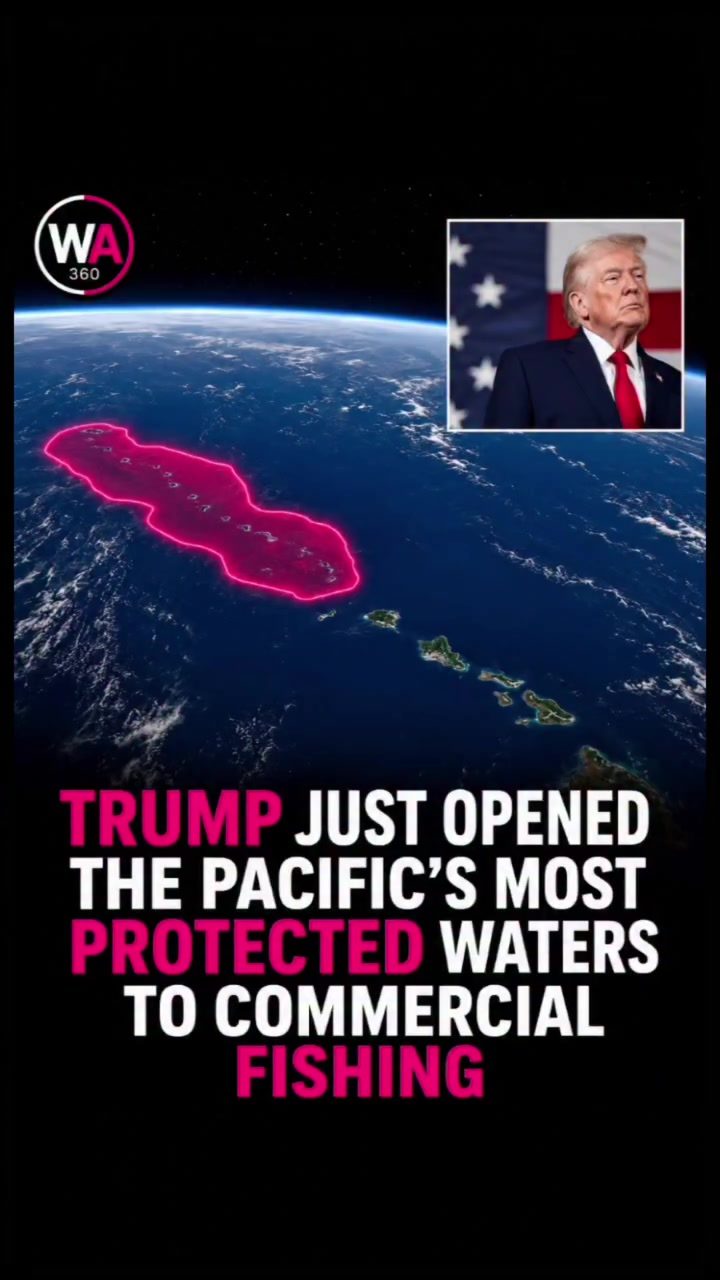
The Policy Shift: Trump's Decision to Open Pacific Waters to Commercial Fishing
Donald Trump's recent policy decision to open protected waters in the Pacific Ocean to commercial fishing has sparked a global debate. This move has reignited discussions about the balance between economic growth and environmental conservation. The decision, which aligns with an "America First" approach, aims to bolster the U.S. fishing industry, create jobs, and stimulate economic activity. However, it also raises significant concerns about the potential impacts on marine ecosystems and biodiversity.
Context: Why This Matters
The Pacific Ocean is one of the world's most valuable and biodiverse marine regions. It is home to a wide array of species, many of which are endangered or rely on specific habitats for survival. Opening these protected waters to commercial fishing could have far-reaching consequences, not just for the local marine life but also for global ecosystems. The decision has garnered attention from conservation groups, scientists, and policymakers worldwide, who are calling for a careful balance between economic growth and long-term environmental protection.
The Debate on Economic Gains vs. Environmental Risks
Economic Opportunities
Proponents of the decision argue that opening the Pacific's most protected waters to commercial fishing could bring significant economic benefits. These benefits include:
- Industry Growth: The fishing industry in the United States could see a substantial boost, leading to increased production and potentially higher profits.
- Job Creation: More fishing opportunities could lead to an increase in jobs across various sectors, from fishing to processing and distribution.
- Economic Stimulus: The economic activity generated by the fishing industry could have a ripple effect, benefiting related businesses and communities.
Environmental Concerns
Critics, however, are wary of the potential environmental impacts. The primary concerns include:
- Ecosystem Threats: Commercial fishing in environmentally sensitive areas could disrupt fragile marine ecosystems, leading to long-term degradation.
- Biodiversity Loss: Many species rely on protected waters for habitat and food. Opening these areas to fishing could threaten their survival and reduce biodiversity.
- Endangered Species: Endangered species that inhabit these protected waters could be at risk, as they may not be able to withstand the increased pressure from commercial fishing activities.
Key Players in the Debate
Several key players have weighed in on the debate, each bringing a unique perspective to the discussion.
- Conservation Groups: These organizations are at the forefront of the opposition, arguing for the protection of marine life and ecosystems. They emphasize the importance of sustainable fishing practices and the need to preserve biodiversity.
- Scientists: Marine biologists and environmental scientists have raised concerns about the potential long-term impacts of the policy. They call for more research and data-driven decision-making to ensure that the move does not cause irreversible damage.
- Policymakers: Policymakers worldwide are closely monitoring the situation, as the decision could set a precedent for future marine conservation policies. They are calling for international cooperation and a balanced approach that considers both economic and environmental factors.
Practical Tips for Sustainable Fishing
While the debate continues, there are practical steps that can be taken to ensure sustainable fishing practices, regardless of policy changes.
Implementing Better Regulations
Governments and regulatory bodies can implement stricter regulations on fishing practices to minimize environmental impacts. This includes:
- Quotas and Limits: Setting quotas and catch limits can help prevent overfishing and ensure that fish populations remain healthy.
- Seasonal Restrictions: Implementing seasonal fishing restrictions can allow fish populations to recover during critical times, such as breeding seasons.
- Protecting Critical Habitats: Establishing and enforcing protected areas can safeguard critical habitats and ensure that fish and other marine species have safe places to live and thrive.
Encouraging Sustainable Practices
Fishing companies and individuals can adopt sustainable practices to reduce their environmental footprint. Some strategies include:
- Using Eco-Friendly Gear: Switching to fishing gear that is less harmful to marine life, such as using circle hooks instead of J-hooks, can help reduce bycatch.
- Improving Gear Design: Innovations in gear design can minimize the impact on marine life and habitats, leading to more sustainable fishing practices.
- Supporting Sustainable Fishing Certifications: Fishing companies can support and adhere to certifications that promote sustainable fishing, such as the Marine Stewardship Council (MSC) certification.
Important Takeaways
The debate surrounding Trump's decision to open protected waters in the Pacific to commercial fishing highlights the complex interplay between economic growth and environmental conservation. While the move could bring economic benefits, it also poses significant risks to marine ecosystems and biodiversity. The key takeaways from this discussion include:
- Economic vs. Environmental Balance: Achieving a balance between economic growth and environmental protection is crucial. Policies must consider both short-term economic gains and long-term environmental sustainability.
- Regulatory Measures: Strict regulations and enforcement are essential to ensure sustainable fishing practices and protect marine life.
- International Cooperation: The issue of marine conservation requires global cooperation. Policies and practices implemented in one region can have far-reaching effects, and international collaboration is vital for effective conservation.
Conclusion
The decision to open protected waters in the Pacific to commercial fishing is a contentious issue that highlights the broader debate about economic growth versus environmental protection. As the world watches to see how this policy unfolds, it is clear that a balanced approach is needed. Governments, policymakers, and conservation groups must work together to ensure that future policies prioritize both economic well-being and environmental sustainability. By implementing stricter regulations, encouraging sustainable practices, and fostering international cooperation, it is possible to achieve a future where economic growth and marine conservation coexist.
Watch the Reel
Questions readers ask
What specific areas of the Pacific Ocean are affected by Trump's new fishing policy?
The policy targets protected waters in the Pacific, including areas within the U.S. Exclusive Economic Zone (EEZ). These zones are rich in marine biodiversity and have been previously off-limits to commercial fishing to preserve their ecological integrity.
What is the rationale behind Trump's decision to open protected waters to commercial fishing?
The primary goal of this policy is to stimulate economic growth by supporting the U.S. fishing industry. The administration aims to create jobs and boost economic activity, particularly in coastal communities that rely on fishing.
How might the new policy impact marine life and biodiversity in the Pacific?
Opening protected waters to commercial fishing could lead to increased pressure on marine populations, potentially disrupting fragile ecosystems. Overfishing can deplete fish stocks, harm endangered species, and disturb habitats critical for marine life.
What are the potential economic benefits of Trump's fishing policy?
The policy is expected to generate new job opportunities in the fishing industry and support related sectors such as processing and distribution. It could also provide a boost to local economies through increased revenue and activity.
Have similar policies been implemented in the past, and what were the outcomes?
Previous attempts to open protected areas to commercial fishing have often led to mixed results. Some have seen short-term economic gains but have also resulted in long-term environmental degradation, requiring eventual policy reversals to restore marine health.
What are the arguments against Trump's decision to allow commercial fishing in protected Pacific waters?
Critics argue that the policy prioritizes short-term economic gains over long-term sustainability. They contend that opening these areas to fishing could irreversibly damage ecosystems and undermine conservation efforts to protect endangered species and maintain marine biodiversity.
How has the global community responded to Trump's Pacific fishing policy?
The international reaction has been largely critical. Many countries and environmental organizations have expressed concern about the potential environmental impact. They worry about the broader implications for global marine conservation and the potential for setting a precedent that undermines international agreements on protected waters.
Related deep dives
Similar reads based on topic and creator.


Recent articles
Fresh deep dives from the latest Reels we unpacked.




Comments
Be the first to comment.