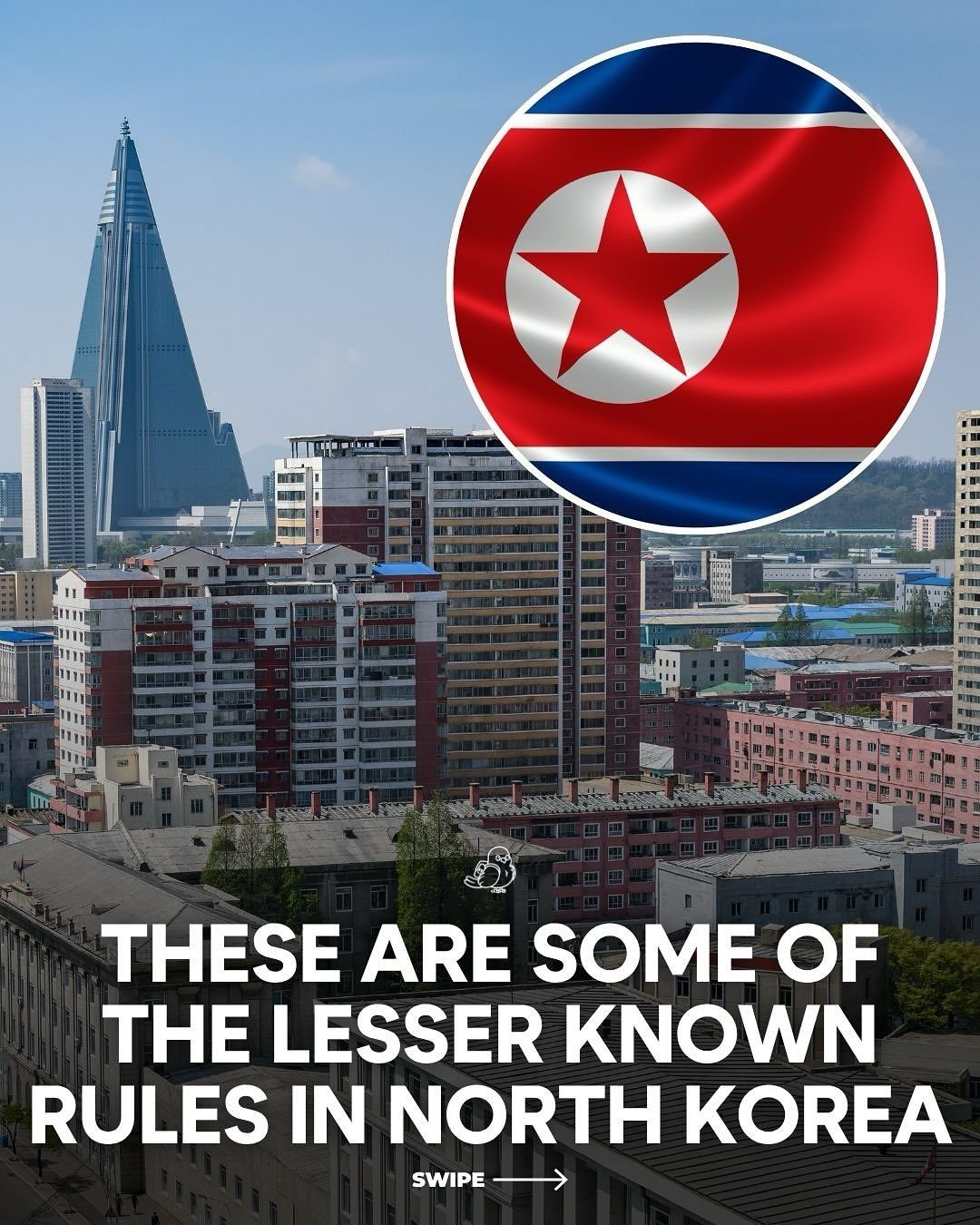
Lesser-Known Rules in North Korea
North Korea is a country shrouded in mystery, with strict rules and regulations that govern daily life. These rules, often unknown to the outside world, create a unique social and political landscape. Exploring these lesser-known rules provides a deeper understanding of life in North Korea.
Why This Matters
North Korea's stringent regulations are not just theoretical; they shape the daily experiences of both citizens and visitors. Understanding these rules offers insights into the social, political, and cultural dynamics of the country. It also helps in appreciating the significance of compliance and the consequences of non-compliance.
The Importance of State-Approved Music
Music in North Korea is not just a form of entertainment; it is a crucial tool for political indoctrination. The state has strict guidelines for music production and consumption. Every song must glorify the Kim family or the state. Love songs, for instance, are required to have political undertones. This ensures that even personal and intimate expressions are channeled towards praising the regime.
Love songs, even those meant for romantic expression, must include political undertones. This means that lyrics might subtly reference the state or its leaders, ensuring that even the most personal forms of expression are aligned with the state's narrative. This control over music reflects the broader aim to keep the population focused on the state and its leadership.
Singing foreign pop songs secretly can result in imprisonment. This rule underscores the severe penalties for defying the state's musical guidelines. It reflects the regime's fear of external influences and the importance it places on maintaining a tightly controlled cultural environment.
Rules for Tourists
Foreign tourists in North Korea are subject to a different set of rules designed to keep them isolated from the local population. Visitors are not allowed to wander freely or interact with random citizens. This restriction ensures that tourists do not have unfiltered interactions with locals, which could reveal the true conditions within the country.
Guides are required to shadow tourists constantly. These guides act as intermediaries, controlling the information and interactions that tourists have. This constant supervision ensures that visitors adhere to the state's guidelines and do not engage in unauthorized activities.
Tourists are prohibited from using the local currency. This rule further isolates visitors from the local population and prevents them from engaging in any form of independent transactions. It also serves to limit the potential for unauthorized exchanges and interactions.
The Ban on Blue Jeans
Blue jeans are banned in North Korea due to their association with American imperialism. Denim, especially blue, is seen as a symbol of Western culture and influence, which the regime seeks to suppress. This ban reflects the state's efforts to control cultural expressions and maintain a distinct identity separate from Western influences.
Black or dark trousers are sometimes allowed as alternatives. This flexibility in clothing choices allows for some personal expression while still adhering to the state's guidelines. The acceptance of darker colors shows a willingness to accommodate certain styles, as long as they do not symbolize Western influence.
Practical Tips for Navigating North Korea
For those planning to visit North Korea, it is essential to be aware of these rules and their implications. Here are some practical tips to ensure a smooth experience:
- Stay with Your Guide: Always follow the instructions of your guide and stay within the designated areas. This will help you avoid any potential misunderstandings or issues with local authorities.
- Respect Cultural Norms: Adhere to the clothing guidelines and avoid wearing blue jeans. Opt for black or dark trousers instead.
- Limit Interactions with Locals: Be mindful of the restrictions on interactions with local citizens. Stick to the approved itinerary and avoid engaging in unauthorized conversations or activities.
- Understand the Purpose of Music: Familiarize yourself with the type of music that is acceptable. Avoid bringing or listening to foreign pop music, as this could lead to serious consequences.
Important Takeaways
- Music as Propaganda: Every song in North Korea must glorify the state or its leaders, ensuring that all forms of expression support the regime.
- Tourist Restrictions: Visitors are under constant surveillance and must follow strict guidelines to prevent unauthorized interactions.
- Controlled Culture: Blue jeans are banned due to their association with American imperialism, reflecting the state's efforts to control cultural expressions.
Conclusion
Exploring the lesser-known rules in North Korea reveals the intricacies of a society governed by strict regulations. From the strict guidelines on music to the constant supervision of tourists and the ban on blue jeans, these rules shape the experiences of both citizens and visitors. Understanding these regulations provides a deeper appreciation for the complexities of life in North Korea and the importance of compliance in this tightly controlled environment.
Watch the Reel
Questions readers ask
What are the primary purposes of music in North Korea beyond entertainment?
Music in North Korea serves as a tool for state propaganda, as it is used to glorify the state and its leaders. All songs must align with the state's ideology, often containing political messages even in love songs. This ensures that music reinforces the state's narrative and promotes patriotism.
How do North Korea's rules impact the daily lives of its citizens?
The rules in North Korea govern almost every aspect of daily life, from the type of music that can be played to the expressions that can be made in public. Citizens must constantly navigate these regulations, ensuring their actions and words align with state-approved norms to avoid potential consequences.
What are some of the restrictions tourists face when visiting North Korea?
Tourists in North Korea are subject to strict regulations that limit their interactions and movements. They are often accompanied by state-guided tours, and their activities are closely monitored to ensure they do not deviate from approved routes or engage in unauthorized conversations with locals.
Why is compliance with North Korea's rules so crucial?
Compliance with North Korea's rules is essential for both citizens and tourists. For citizens, non-compliance can lead to severe consequences, including detention or punishment. For tourists, violating the rules can result in immediate deportation or even legal repercussions, as the state strictly enforces its regulations.
How do love songs in North Korea differ from those in other countries?
Love songs in North Korea often contain political undertones and are used to promote patriotism and loyalty to the state. Unlike in other countries, these songs are crafted to glorify the state and its leaders, serving as a form of state propaganda rather than purely expressing romantic sentiments.
Related deep dives
Similar reads based on topic and creator.




Recent articles
Fresh deep dives from the latest Reels we unpacked.



Comments
Be the first to comment.