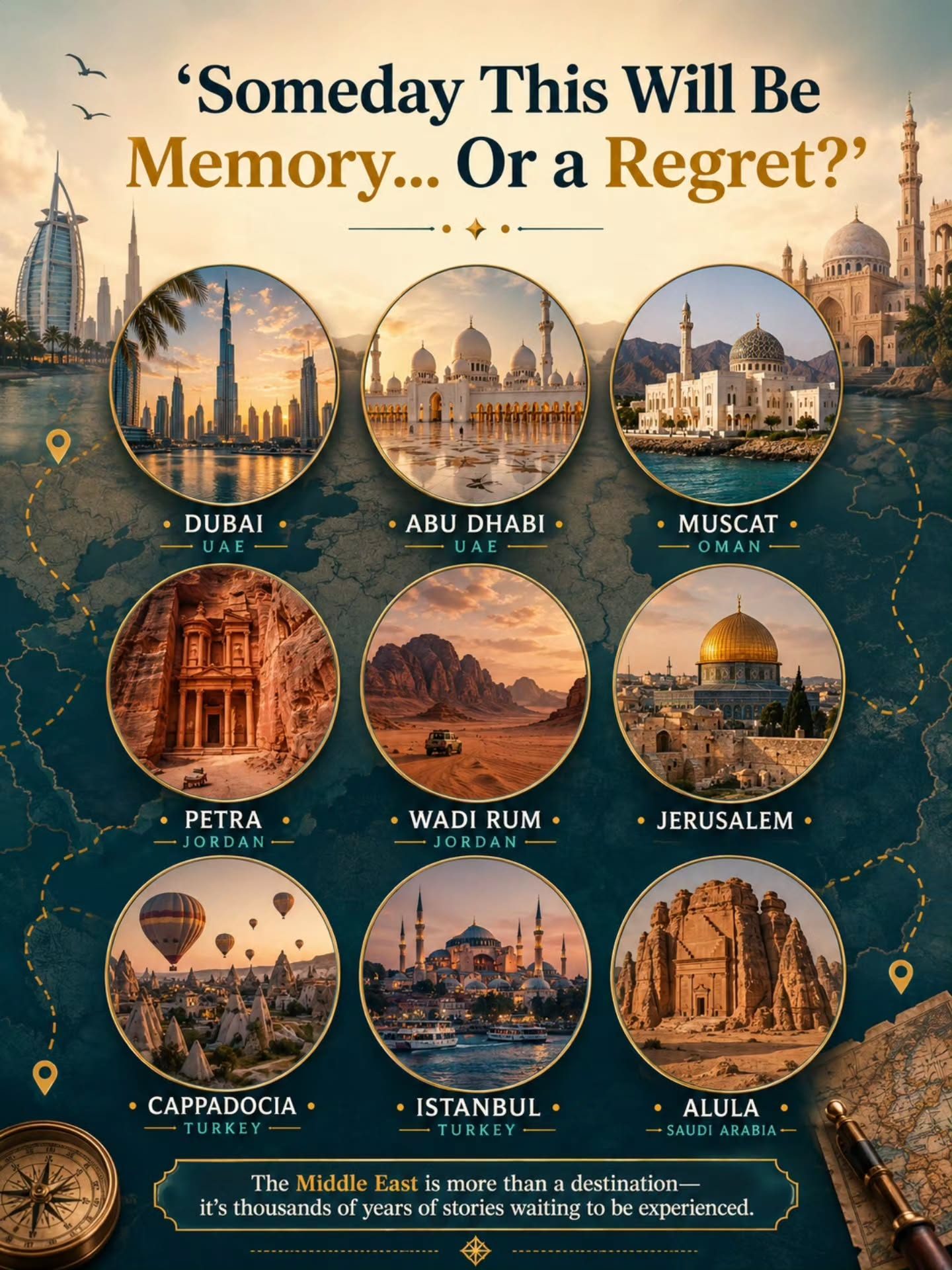
Travel Destinations in the Middle East
The Middle East is a region rich with history, culture, and natural wonders. From the bustling modernity of Dubai to the ancient ruins of Petra, this area offers a diverse range of travel experiences that cater to every interest. Here, we'll explore some of the most captivating destinations in the Middle East, highlighting their unique features and why they should be on your travel bucket list.
Context / Why this matters
The Middle East is often misunderstood as a region of conflict and desert landscapes. While these elements are part of the region, there is so much more to explore. This region is home to some of the world's most historic sites, vibrant cities, and breathtaking natural landscapes. Understanding the depth and breadth of what the Middle East offers can open up a world of travel possibilities, making it a must-visit destination for any traveler.
Main discussion
Dubai and Abu Dhabi, UAE
Dubai and Abu Dhabi, both located in the United Arab Emirates (UAE), offer a blend of modern luxury and traditional culture. Dubai is renowned for its iconic skyscrapers, including the Burj Khalifa, the world's tallest building. It's also home to the Dubai Mall, one of the largest shopping centers in the world, and the Palm Jumeirah, an artificial archipelago shaped like a palm tree. Beyond the glitz and glamour, Dubai offers a rich cultural experience with its traditional souks, historic neighborhoods, and authentic Emirati cuisine.
Abu Dhabi, the capital of the UAE, is equally impressive with its cultural institutions and historical sites. The Sheikh Zayed Grand Mosque is a must-visit, known for its stunning architecture and intricate design. The Louvre Abu Dhabi, a branch of the famous Parisian museum, showcases a diverse collection of art and artifacts from around the world. For a taste of traditional Arabic culture, explore the Al Jahili Fort and the Qasr Al Hosn, which offer insights into the region's rich history.
Muscat, Oman
Muscat, the capital of Oman, is a city that beautifully blends modernity with its historical roots. The Sultan Qaboos Grand Mosque is a magnificent example of Islamic architecture, while the Mutrah Souk offers a bustling marketplace filled with traditional goods and spices. For a dose of natural beauty, visit the nearby Al Hajar Mountains, which offer stunning landscapes and hiking trails. The city's historic forts, such as the Al Jalali and Al Mirani forts, provide a glimpse into Oman's rich history.
Petra, Jordan
Petra, often referred to as the "Rose City," is one of the New Seven Wonders of the World. Carved into the red sandstone cliffs, the ancient city is home to stunning structures like the Treasury (Al-Khazneh) and the Monastery (Al-Deir). Visitors can explore the Siq, a narrow canyon that leads to the city, and wander through the ancient streets to discover the secrets of this fascinating archaeological site.
Wadi Rum, Jordan
Wadi Rum, also known as the Valley of the Moon, is a vast desert landscape in southern Jordan. Known for its stunning red and pink sand dunes, towering cliffs, and ancient rock formations, Wadi Rum offers a unique desert experience. Visitors can explore the area on a 4x4 tour, go on a camel trek, or even camp under the stars. The site is also famous for its Bedouin culture, where travelers can experience traditional hospitality and local cuisine.
Jerusalem, Saudi Arabia
Jerusalem, while politically complex, is a city of immense historical and religious significance. It is home to sacred sites for Judaism, Christianity, and Islam, including the Western Wall, the Church of the Holy Sepulchre, and the Al-Aqsa Mosque. The city's winding alleys, bustling markets, and ancient architecture create a rich tapestry of experiences for visitors. Exploring Jerusalem offers a deep dive into the region's religious and cultural heritage.
Cappadocia, Turkey
Cappadocia is a unique region in central Turkey known for its "fairy chimneys" or rock formations and underground cities. The region's balloon rides offer a breathtaking view of the surreal landscape, while the Göreme Open-Air Museum provides a glimpse into the area's ancient history and religious significance. Visitors can also explore the underground cities of Derinkuyu and Kaymakli, which were once used as refuge by early Christians. Cappadocia's vibrant culture and world-class experiences make it a must-visit destination.
Istanbul, Turkey
Istanbul, the cultural hub of Turkey, straddles two continents and offers a rich blend of Eastern and Western influences. The city is home to iconic landmarks like the Hagia Sophia, the Blue Mosque, and the Topkapi Palace. The Grand Bazaar, one of the world's largest and oldest markets, is a treasure trove of traditional Turkish goods, spices, and textiles. The vibrant Bosphorus Strait, which separates Europe and Asia, offers stunning views and a unique experience of the city's waterways.
Alula, Saudi Arabia
Alula, also known as AlUla, is a historical and archaeological treasure. Situated in a desert oasis in northwestern Saudi Arabia, Alula is home to the ancient city of Madain Saleh, a UNESCO World Heritage Site. The site features stunning Nabataean tombs carved into sandstone cliffs, similar to those found in Petra. The Elephant Rock and the Lion Rock are other notable landmarks that offer a glimpse into the region’s rich geological and cultural heritage. Alula is also home to contemporary art installations and museums, showcasing the convergence of history and modernity.
Practical tips
When planning a trip to the Middle East, consider the following tips:
-
Best Time to Visit: The best time to visit the Middle East is during the cooler months, from October to April, when temperatures are more moderate. Summer months can be extremely hot, especially in desert areas like Wadi Rum and Alula.
-
Packing Essentials: Be sure to pack light, breathable clothing, sunscreen, and a hat. Comfortable walking shoes are essential for exploring historical sites and cities. Additionally, dress modestly, especially when visiting religious sites.
-
Respect Local Customs: The Middle East has a rich cultural heritage, and respecting local customs and traditions is crucial. Dress appropriately, be mindful of religious practices, and always seek permission before taking photos of locals.
-
Stay Hydrated: The region can be very dry, so stay hydrated by drinking plenty of water. Carry a reusable water bottle with you.
Important takeaways
-
Diversity of Experiences: The Middle East offers a wide range of travel experiences, from modern cities to ancient ruins, desert landscapes to coastal beauty. There's something for everyone, whether you're a history buff, an adventure seeker, or a culture vulture.
-
Cultural Richness: The region’s historical and cultural richness is unparalleled. Each destination has a unique story to tell, shaped by centuries of history and cultural exchange.
-
Natural Wonders: Beyond its historical sites, the Middle East is home to breathtaking natural wonders. From the desert landscapes of Wadi Rum to the lush oases of Alula and the stunning rock formations of Cappadocia, nature lovers will find plenty to explore.
Conclusion
The Middle East is a region of endless possibilities, offering a blend of ancient history, vibrant culture, and natural beauty. From the modern marvels of Dubai and Abu Dhabi to the historical treasures of Petra and Alula, this region is a treasure trove of experiences waiting to be discovered. Whether you're seeking adventure, cultural immersion, or a dose of history, the Middle East promises a journey filled with stories and memories that will last a lifetime.
Watch the Reel
Questions readers ask
What are the must-visit historic sites in the Middle East?
The Middle East is home to numerous historic sites, including the ancient city of Petra in Jordan, the Pyramids of Giza in Egypt, and the ancient city of Jericho, which is often considered the oldest continuously inhabited city in the world. Each of these sites offers a unique glimpse into the rich history of the region.
Why is Dubai a popular destination for travelers?
Dubai attracts travelers with its modern architecture, luxurious hotels and shopping malls, and unique attractions like the Burj Khalifa and the Palm Jumeirah. The city offers a blend of modernity and culture, making it an exciting destination for many.
What makes Abu Dhabi different from Dubai?
While both cities offer modern attractions, Abu Dhabi is known for its cultural institutions, such as the Louvre Abu Dhabi and the Sheikh Zayed Grand Mosque. It provides a more serene and cultural experience compared to the bustling atmosphere of Dubai.
What can I expect when visiting Petra in Jordan?
Petra is renowned for its rock-cut architecture and ancient ruins, including the iconic Al-Khazneh (The Treasury). Visitors can explore the site through a network of ancient paths, offering a sense of adventure and a deep dive into the region's history.
What is the best way to experience Wadi Rum in Jordan?
Wadi Rum is ideal for adventure seekers. Travelers can explore the desert through jeep tours, camel rides, or even by foot. Overnight stays in Bedouin camps provide an authentic experience, with opportunities to stargaze and enjoy traditional local cuisine.
Is Istanbul a good destination for cultural experiences in the Middle East?
Istanbul, Turkey, is a unique destination that bridges Europe and Asia. It offers a rich blend of cultural experiences, including historic sites like the Hagia Sophia, the Blue Mosque, and the Topkapi Palace. The city is also known for its vibrant markets and traditional cuisine.
What is special about AlUla in Saudi Arabia?
AlUla is a historic and cultural gem in Saudi Arabia, featuring ancient rock-carved temples, tombs, and fortresses. Visitors can explore the ancient city of Hegra, a UNESCO World Heritage Site, and enjoy activities like hot air ballooning over the stunning desert landscapes.
Related deep dives
Similar reads based on topic and creator.




Recent articles
Fresh deep dives from the latest Reels we unpacked.




Comments
Be the first to comment.