Ocean Plastic Pollution: Identifying the Top Contributors
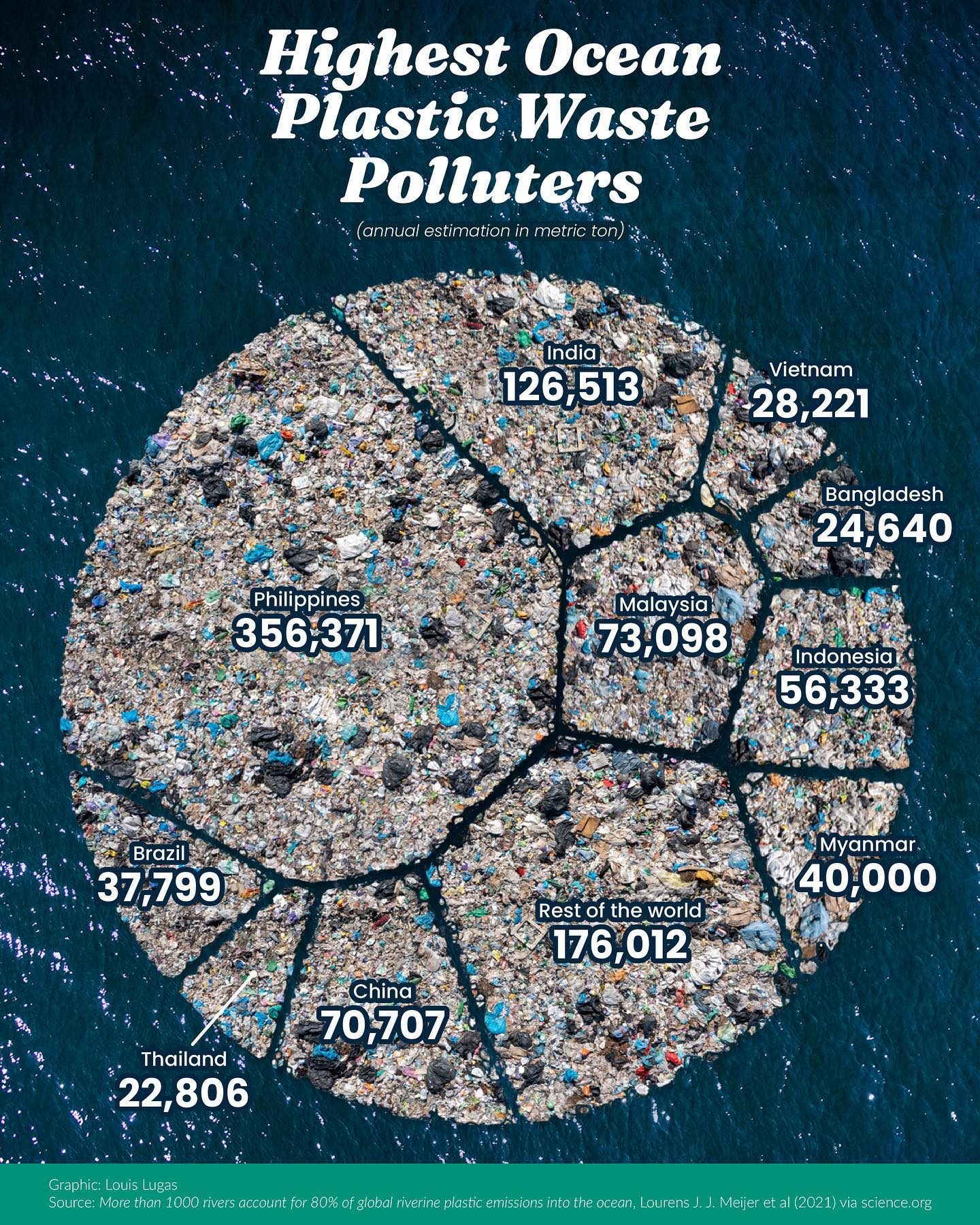
Plastic pollution in our oceans is a pressing global issue. With millions of metric tons of plastic produced each year, a significant portion finds its way into marine environments. Understanding the sources of this pollution is crucial for addressing the problem effectively. The top 10 countries contributing to ocean plastic waste are highlighted, along with insights into the broader context of plastic pollution.
Why This Matters
The impact of plastic waste on marine ecosystems is profound. Marine life often mistakes plastic for food, leading to ingestion and entanglement, which can be fatal. Additionally, plastics break down into microplastics, which can enter the food chain and potentially affect human health. Identifying the primary sources of ocean plastic waste is the first step in developing targeted solutions to mitigate this environmental crisis.
Main Discussion
The Top 10 Countries
The infographic highlights the top 10 countries that contribute the most to ocean plastic pollution. These countries are significant sources of plastic waste that ends up in the ocean. The data, sourced from Lourens J.J. Meijer et al (2021) via science.org, provides a clear picture of the scale of the problem.
1. Philippines
The Philippines tops the list with an estimated 356,371 metric tons of plastic waste entering the ocean annually. The country's extensive coastline and limited waste management infrastructure contribute to this high level of pollution. Local efforts are underway to improve waste management practices, but the challenge remains significant.
2. India
India follows closely with 126,513 metric tons of plastic waste. The country's rapid industrialization and urbanization have led to increased plastic consumption and subsequent waste generation. Efforts to reduce plastic use and improve recycling are ongoing, but the sheer volume of waste is a formidable challenge.
3. Vietnam
Vietnam contributes 28,221 metric tons of plastic waste to the oceans. The country's coastal cities and rural areas struggle with waste management, leading to plastic pollution in nearby waters. Community initiatives and government policies are focusing on reducing plastic use and improving waste disposal methods.
4. Bangladesh
Bangladesh generates 24,640 metric tons of plastic waste annually. The country's dense population and limited waste management infrastructure make it difficult to control plastic pollution. Efforts are being made to raise awareness and implement better waste management practices.
5. Malaysia
Malaysia contributes 73,098 metric tons of plastic waste. The country's industrial activities and plastic production play a significant role in this pollution. Malaysia is actively working on initiatives to reduce plastic use and improve recycling rates.
6. Indonesia
Indonesia is responsible for 56,333 metric tons of ocean plastic waste. The country's extensive coastline and high plastic consumption make it a significant contributor to marine pollution. Indonesia has implemented various programs to reduce plastic waste, including bans on single-use plastics and community clean-up efforts.
7. Myanmar
Myanmar generates 40,000 metric tons of plastic waste annually. The country's limited waste management infrastructure and rapid urbanization contribute to this problem. Efforts to improve waste management and reduce plastic use are underway, but challenges remain.
8. Brazil
Brazil contributes 37,799 metric tons of plastic waste to the oceans. The country's large population and extensive coastline make it a significant source of marine pollution. Brazil is actively working on reducing plastic use and improving waste management practices.
9. Thailand
Thailand generates 22,806 metric tons of plastic waste annually. The country's coastal tourism and industrial activities contribute to this pollution. Thailand has implemented various initiatives to reduce plastic use and improve waste management.
10. China
China contributes 70,707 metric tons of plastic waste. The country's massive industrial output and high plastic consumption make it a significant source of marine pollution. China has taken steps to reduce plastic use and improve recycling, but the scale of the problem is enormous.
The Rest of the World
The rest of the world, excluding the top 10 countries, contributes 176,012 metric tons of plastic waste to the oceans. This highlights the global nature of the problem and the need for international cooperation to address it effectively.
Practical Tips
While governments and international organizations play a crucial role in addressing plastic pollution, individuals and communities can also make a difference. Here are some practical tips to reduce plastic waste:
Reduce Plastic Use
One of the most effective ways to reduce plastic pollution is to minimize plastic use. Opt for reusable bags, bottles, and containers instead of single-use plastics. Choose products with minimal packaging and support businesses that prioritize sustainability.
Recycle and Dispose Properly
Proper waste management is essential to prevent plastic from entering the ocean. Recycle plastics whenever possible and dispose of them in designated bins. Avoid littering and encourage others to do the same.
Participate in Clean-Up Efforts
Join local clean-up initiatives to remove plastic waste from beaches, rivers, and other water bodies. Many communities organize regular clean-up events, and participating can make a tangible difference.
Support Policies and Initiatives
Advocate for policies that reduce plastic production and improve waste management. Support initiatives that promote recycling and sustainable practices. Engaging with local and national governments can help push for meaningful change.
Important Takeaways
Plastic pollution in the oceans is a complex issue that requires collective effort. The top 10 countries contributing to this problem highlight the need for targeted solutions. By reducing plastic use, improving waste management, and participating in clean-up efforts, individuals and communities can play a crucial role in addressing this environmental crisis.
Conclusion
Understanding the sources of ocean plastic pollution is the first step in developing effective solutions. The top 10 countries contribute significantly to this problem, and addressing it requires a multi-faceted approach. By reducing plastic use, improving waste management, and participating in clean-up efforts, we can make a meaningful difference in protecting our oceans. The battle against plastic pollution is ongoing, but with concerted effort and international cooperation, it is possible to mitigate its impact and safeguard marine ecosystems for future generations.
Watch the Reel
Questions readers ask
Which countries are the top contributors to ocean plastic waste?
The top contributors to ocean plastic waste include the Philippines, India, and Vietnam. Other countries in the top 10 are China, Indonesia, Sri Lanka, Thailand, Malaysia, and Egypt.
How does plastic waste in the ocean affect marine life?
Plastic waste in the ocean poses significant threats to marine life. Animals often mistake plastic for food, leading to ingestion and entanglement, which can cause injury or death. Additionally, plastics break down into microplastics, which can enter the marine food chain and potentially harm marine organisms.
Why is it important to identify the top countries contributing to ocean plastic waste?
Identifying the top countries contributing to ocean plastic waste is a crucial first step in addressing the global plastic pollution crisis. By understanding the sources, environmental agencies, policymakers, and local communities can work together to implement targeted solutions and reduce the amount of plastic entering the ocean.
What are some of the most polluted oceans in the world?
The most polluted oceans in the world, in terms of plastic waste, are those near the countries with the highest levels of plastic waste mismanagement. The Pacific, Atlantic, and Indian Oceans are among the most affected, with significant plastic pollution in the South China Sea, the Mediterranean, and the Bay of Bengal.
What specific actions can be taken to reduce plastic waste in the ocean?
To reduce plastic waste in the ocean, it is essential to improve waste management infrastructure, promote recycling programs, and implement stricter regulations on plastic use and disposal. Additionally, public awareness campaigns can encourage individuals to reduce their plastic consumption and properly dispose of waste.
How does plastic pollution in the Philippines compare to other top plastic polluting countries?
The Philippines ranks as one of the top contributors to ocean plastic waste, with significant amounts of plastic waste entering the ocean due to mismanagement and lack of infrastructure. While other countries like India and China also face similar challenges, the Philippines' unique geographical characteristics, such as its extensive coastline and numerous islands, exacerbate the problem.
What are some specific challenges faced by Vietnam in addressing ocean plastic waste?
Vietnam faces several challenges in addressing ocean plastic waste, including rapid urbanization, insufficient waste management infrastructure, and a lack of public awareness about the environmental impact of plastic waste. Additionally, Vietnam's growing economy and increasing consumerism contribute to the rising levels of plastic waste generated each year.
Related deep dives
Similar reads based on topic and creator.


Recent articles
Fresh deep dives from the latest Reels we unpacked.




Comments
Be the first to comment.